The Ministry of Public Health (MINSAP) of Cuba provided an update last week on the epidemiological situation of hepatitis A and other infectious diseases affecting the country.
According to a television appearance on the Midday News of Canal Caribe, Dr. Francisco Durán García, National Director of Epidemiology, stated that there has been an increase in cases of hepatitis A in several provinces, particularly in urban areas with high population density.
Durán García emphasized that the increase in cases of hepatitis A is primarily due to water source contamination and improper food handling.
He also urged to enhance personal hygiene and food safety measures, as well as to ensure the availability of drinking water to prevent an increase in waterborne diseases.
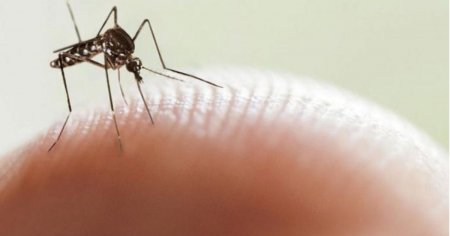
Regarding vector-borne diseases, such as dengue and the Oropouche virus, Dr. Durán reported that both are currently circulating in the country, although with a limited number of cases.
Dengue, which has decreased slightly, is still present in 13 provinces. Despite the low incidence of severe cases, Durán urged not to let one's guard down and to see a doctor if experiencing symptoms such as fever or discomfort.
The Oropouche virus, a new arbovirus in Cuba, is also being monitored, although its impact is lower compared to other diseases reported in the Americas region, it was noted.
Despite the winter season, respiratory illnesses have not shown a significant increase. However, he emphasized the importance of maintaining vaccinations, especially in two-year-old children against pneumococcus, as part of a national strategy to achieve coverage exceeding 95% by the end of the year.
At the end of his speech, Dr. Durán urged Cubans to prioritize personal hygiene, food safety, and water quality, as well as to consult doctors at the first sign of any symptoms, avoiding the use of medications without medical supervision.
In 2024, Cuba has faced various epidemiological challenges, highlighting the increase in cases of hepatitis A and the spread of vector-borne diseases, such as dengue and the Oropouche virus.
In December, the Ministry of Public Health (MINSAP) confirmed an increase in cases of hepatitis A in the country.
The symptoms of the disease, linked to the consumption of water contaminated with feces from infected individuals, include general malaise, jaundice, and fever.
To prevent it, it is recommended to consume uncontaminated foods, wash vegetables thoroughly, and drink boiled or chlorinated water.
In May, a significant outbreak was reported in the Reina neighborhood of the city of Cienfuegos, with more than 5,000 patients identified, prompting the authorities to implement epidemiological surveillance measures.
In addition to this, the country has also faced a critical situation regarding dengue and the Oropouche virus.
In December, it was reported that dengue was actively transmitting in 13 provinces, while the Oropouche virus was present in all 15 provinces of the country, reflecting a complex epidemiological landscape.
The spread of these diseases has been worsened by sanitation issues and structural deficiencies.
In October, it was reported that at least 17,000 patients were hospitalized in Cuba due to the dengue epidemic, many of them in intensive care units.
Frequently Asked Questions about the Epidemiological Situation in Cuba at the End of 2024
What is the current situation of hepatitis A in Cuba?
Hepatitis A has seen a significant increase in cases in Cuba, primarily due to contamination of water sources and improper food handling. This rise underscores the need to improve sanitation conditions and access to safe drinking water.
What measures are being taken to control dengue and the Oropouche virus in Cuba?
Cuban authorities are urging the population to maintain environmental sanitation and eliminate mosquito breeding sites. However, the lack of resources and inadequate structural conditions, such as poor waste collection, complicate the effectiveness of these measures.
What are the symptoms of hepatitis A and how can it be prevented?
The symptoms of hepatitis A include general discomfort, jaundice, and fever. To prevent it, it is essential to consume uncontaminated food and drink boiled or chlorinated water. The lack of hygiene and limited access to drinking water are factors that facilitate its spread in Cuba.
How can the Cuban population contribute to the prevention of vector-borne diseases?
The public can contribute by maintaining a clean environment, eliminating mosquito breeding sites, and using mosquito nets and repellents. It is crucial to seek medical attention for any symptoms of dengue or Oropouche virus for an accurate diagnosis and to prevent complications.
Filed under: