
Related videos:
The Supreme Court of the United States authorized federal immigration agents on Monday to carry out large-scale operations in Los Angeles, lifting a court order that restricted arrests based on racial or socioeconomic profiling, according to the agency AP.
The decision represents a new victory for the administration of Donald Trump, which has advocated for a tough stance on immigration.
With a 6-3 vote, the conservative majority overturned the restriction issued by federal judge Maame E. Frimpong, who had found a "significant amount of evidence" that immigration patrols were violating the Constitution by detaining individuals indiscriminately, including U.S. citizens.
The agency EFE recalled that the Supreme Court's decision blocks the order from Frimpong, from the Central District of California, which last July temporarily prohibited indiscriminate immigration raids in the metropolitan area of Los Angeles and two other counties, and which was upheld by the Ninth Circuit Court of Appeals.
Judge Brett Kavanaugh, in his concurring opinion, argued that the lower court ruling “went too far” and that allowing post hoc challenges to every arrest “would chill legitimate efforts to enforce immigration law,” the cited source reported.
In contrast, Judge Sonia Sotomayor, supported by her liberal colleagues, issued a strong dissent: “Countless people in Los Angeles have been grabbed, thrown to the ground, and handcuffed simply because of their appearance, their accent, or for earning a living through manual labor. Today, the Court exposes many more to those same indignities,” she wrote.
Impact in Los Angeles and other cities
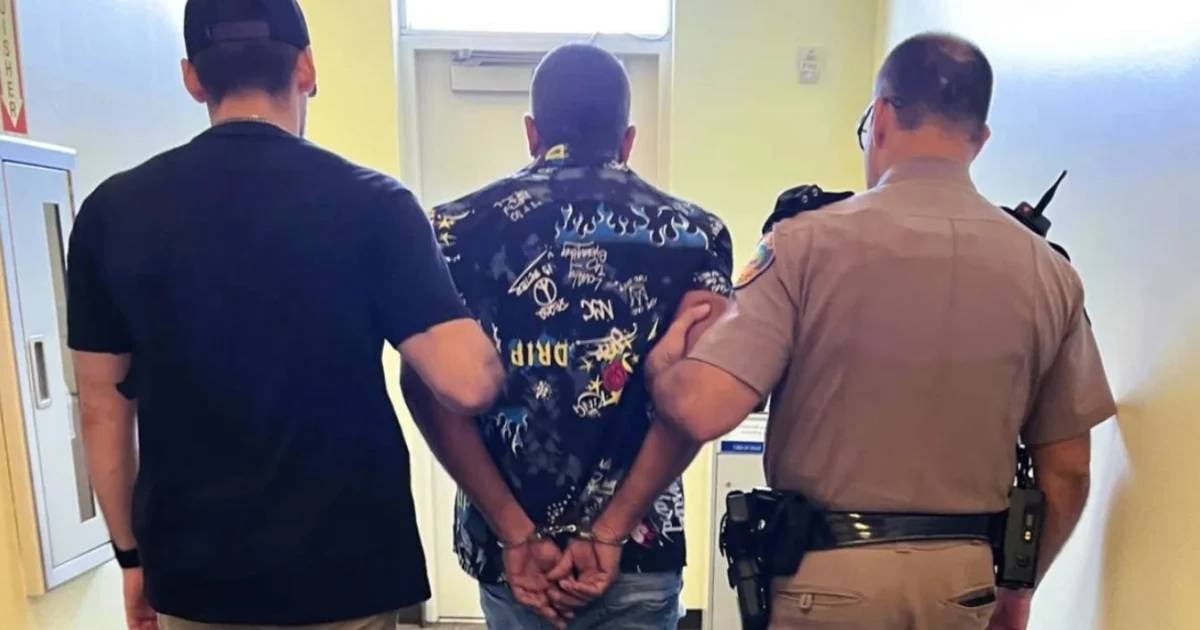
The ruling comes amid a surge in ICE operations, following a pause after the initial court order. According to the Department of Homeland Security, since June 6, there have been 5,210 arrests in the Los Angeles area, in operations that have included controversial tactics such as agents emerging from a moving truck to apprehend workers at a Home Depot.
Advocacy groups for migrants warned that the Supreme Court's decision will open the door to racial profiling practices not only in Los Angeles but also in other cities across the country.
Next legal steps
The lawsuit filed by immigrant advocacy organizations will continue in California, where the constitutionality of the operations will be thoroughly debated. However, the Supreme Court's decision allows the Trump administration to proceed with massive immigration raids while the litigation moves forward.
Frequently Asked Questions about ICE Immigration Operations in Los Angeles
What has the Supreme Court decided about immigration arrests in Los Angeles?
The United States Supreme Court has authorized federal immigration agents to conduct large-scale operations in Los Angeles, lifting a court order that restricted detentions based on racial or socioeconomic profiling. This decision marks a victory for the Donald Trump administration, which has taken a hardline stance on immigration policy.
What are the criticisms of the Supreme Court's decision?
Judge Sonia Sotomayor, along with other liberal colleagues, issued a dissent noting that the decision exposes many individuals to detentions based on their appearance or accent, which they believe is a violation of human dignity. Immigrant advocacy groups warn that this measure will pave the way for racial profiling practices not only in Los Angeles but also in other cities across the United States.
How has the community reacted to ICE operations in Los Angeles?
The raids have generated panic among immigrant workers and triggered a new wave of protests across the country. In Los Angeles, following the raids, more than 1,700 National Guard troops and 700 Marines were deployed to contain the protests, resulting in clashes and tensions with the police.
What impact do these raids have on immigrant communities?
The raids have had a devastating impact on working-class communities, causing fear and paralysis in key sectors of the U.S. economy. Civil rights organizations and activists have warned about the negative effects these measures have, especially on vulnerable communities that rely on immigrant labor.
What legal steps will be taken following the Supreme Court's decision?
The lawsuit filed by immigrant advocacy organizations will continue in California, where the constitutionality of the operations will be debated. Although the Supreme Court's decision allows the Trump administration to continue with massive raids, the litigation will seek to address the legal basis of these actions.
Filed under: