
Related videos:
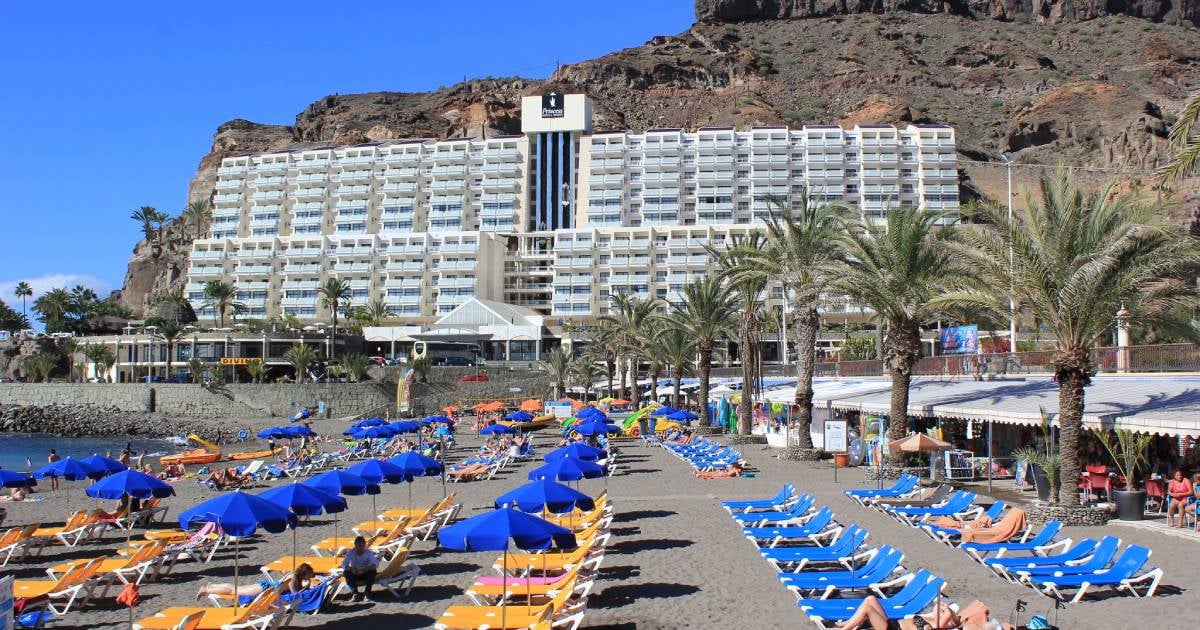
A new chapter in the decline of the old allies of Castroism was written in Spain last week, when the Canary Islands court dismissed the last attempt by the hotel group Grumasa Martinón, which has been linked to Fidel Castro for decades, to halt the awarding of several hotels in Gran Canaria.
The ruling, issued by the Commercial Court number 1 of Las Palmas, confirms the sale of the hotels belonging to Mar Abierto S.L. in the tourist area of Taurito to the powerful Grupo Lopesan, which offered over 99 million euros at the auction, significantly surpassing the bid from Grumasa, reported the Spanish press that covered the event.
The judge Alberto López Villarrubia dismissed the appeals filed by the Canary company and the labor committee, rendering their attempts to obstruct the awarding ineffective.
From Fidel Castro's partner to defeated in the courts
The figure of Enrique Martinón Armas, founder of Grumasa, was closely linked to the Cuban regime since the late eighties, recalls a report from eldiario.es. He was one of the first Spanish entrepreneurs to open hotels on the island, establishing the joint venture Cubacan with Fidel Castro, which managed establishments in Varadero and Havana.
His wedding in 1999 with the Cuban doctor Janet Martínez Morán even included the presence of the communist leader himself, a gesture that symbolized the alliance between the Canarian businessman and Castroism.
During years, Martinón was considered a "fetish entrepreneur" of Havana. His investments made him a key player in Caribbean tourism, expanding his businesses to the Dominican Republic and Mexico as well.
However, following the illness and subsequent death of Fidel Castro, he fell out of favor with the regime, and his name became banned on the island. Martinón Armas passed away in 2022 in Madrid at the age of 81. His family continued with the business.
A setback that marks the decline
The ruling in the Canary Islands not only consolidates Lopesan as the leading tourist operator in the region but also highlights the declining influence of those business groups that once grew under the umbrella of Castroism.
Grumasa, which for years was presented as a symbol of the Cuban regime's economic openness, now appears defeated in the Spanish courts and sidelined in the competitive hotel sector.
While Lopesan promises investments, job maintenance, and a "tourist revival" in Taurito, the Martinón group faces a costly setback.
Frequently Asked Questions about the Legal Battle in the Canary Islands and the Decline of Castroism
What happened to the Grumasa hotels in Gran Canaria?
The Commercial Court number 1 of Las Palmas ruled in favor of Grupo Lopesan, confirming the award of the hotels of Mar Abierto S.L. in Taurito for 99 million euros, thereby nullifying the appeals filed by Grumasa Martinón, historically linked to Castroism.
Why is the loss of the Grumasa hotels relevant for the Castro regime?
The judicial defeat of Grumasa Martinón highlights the loss of influence of business groups connected to Castroism. Enrique Martinón Armas, founder of Grumasa, was a key ally of the Cuban regime, but with the death of Fidel Castro, his relationship with the Cuban government deteriorated, marking a decline in his power and significance.
How does the court ruling in the Canary Islands affect the hotel industry in the region?
The judicial ruling consolidates the Lopesan Group as a tourism leader in Gran Canaria. By acquiring the Mar Abierto hotels in Taurito, Lopesan not only strengthens its presence in the sector but also promises investments and job maintenance, which could boost tourism development in the region.
What is the current situation of tourism in Cuba?
Tourism in Cuba is experiencing one of its worst crises, with a 29.3% drop in the number of tourists and a hotel occupancy rate of 24.1% in the first quarter of 2025. Despite significant investments in tourism infrastructure, air connectivity has collapsed and basic infrastructure remains neglected.
Filed under: