
Related videos:
The Cuban ambassador to Mexico, Marcos Rodríguez Costa, officially stepped down after four years marked by strategic agreements that bolstered the Havana regime amid the deepest crisis Cuba has experienced in decades.
His departure, announced on November 21 by the Secretariat of Foreign Relations (SRE) and confirmed by him on X, comes at a time when Mexico has become one of the main diplomatic, energy, and financial supporters of the island.
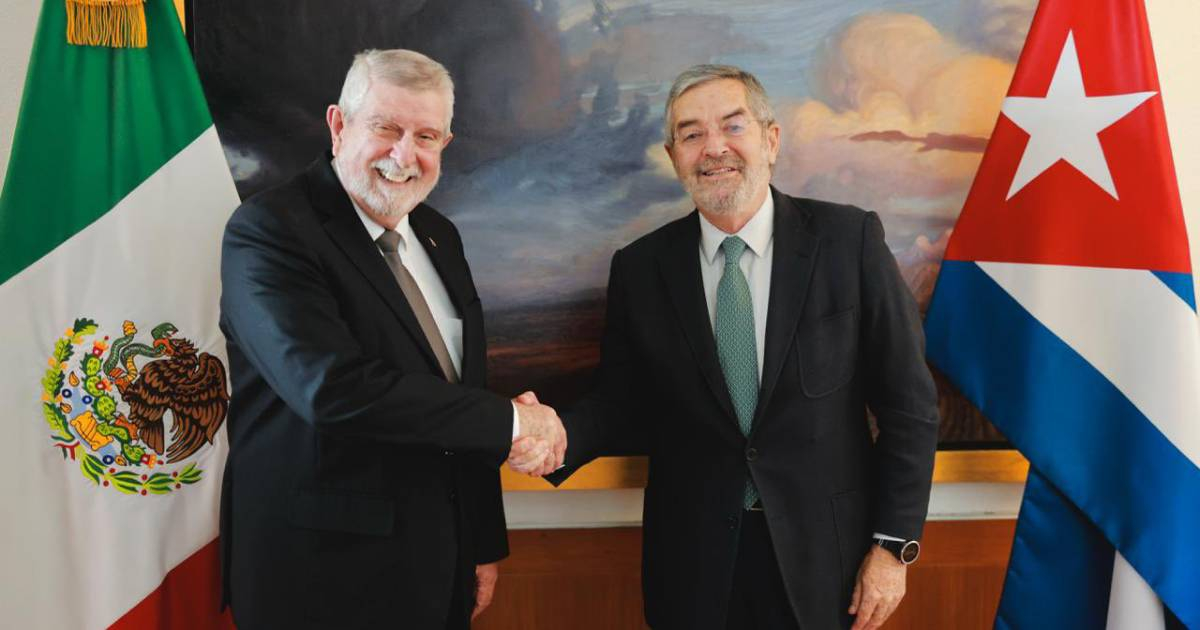
"It has been an honor to serve Cuba and my people during these 4 years in Mexico," wrote Rodríguez Costa before meeting for the last time with Chancellor Juan Ramón de la Fuente.
The farewell, subdued and lacking in significant details, contrasts with the political weight of his administration: under his leadership, Mexico tripled the subsidized shipment of oil to Cuba, expanded like never before the hiring of Cuban doctors, and strengthened an alliance that has allowed Havana to cope amid the island's energy and health crisis.
The ambassador who negotiated free oil for Cuba
Although the Mexican Foreign Ministry spoke of a relationship "for the well-being of both peoples," independent reports present a different picture. During Rodríguez Costa's tenure, Cuba received from Mexico shipments worth over 3 billion dollars in oil and derivatives, sent through Gasolinas Bienestar S.A. de C.V., a subsidiary of Pemex created specifically to operate with the island.
Only between May and August 2025, Mexico dispatched 58 shipments to Cuban refineries, at a time when the population on the island was facing blackouts of up to 20 hours.
The use of the Sandino ship, sanctioned by the United States, and the opacity in the contracts raised questions in Mexico, but the political connection remained strong. That fuel, which Cuba receives under preferential conditions, is then refined, sold on the island, and in some cases exported.
These shipments, widely criticized within Mexico for their fiscal cost, were consolidated during Rodríguez Costa's years and became one of the largest external sources of support for the Cuban regime.
The silent architect of agreements among Cuban doctors
Rodríguez Costa also participated in the strengthening of the program for Cuban doctors in Mexico, which increased from 768 professionals to 3,800 contracted, despite the healthcare personnel crisis affecting Cuba.
While hospitals on the island reported a shortage of specialists, Mexico signed multi-million dollar agreements with Havana to fill vacancies in rural areas and IMSS-Bienestar hospitals.
Washington has condemned these missions as forced labor, but Mexico openly defends them and has ignored warnings of sanctions. The Cuban regime retains the majority of the doctors' salaries, a key source of income for its state coffers.
The Relay: A Diplomatic Couple at the Helm of a Strategic Embassy
The departure of Rodríguez Costa paves the way for an unprecedented succession. Now the embassy will be taken over by the couple Eugenio Martínez Enríquez (ambassador and head of mission) and Johana Tablada de la Torre (ambassador and deputy head of mission). Both are hardline figures within the Ministry of Foreign Affairs of Cuba (MINREX) and open defenders of the official narrative.
Mexico is, for the regime, a vital diplomatic hub because it is its main political ally in the region, an economic support in energy and health, and a key player in migration negotiations with Washington.
The presence of Tablada and Martínez confirms that Havana seeks strict control over a mission that has become strategic for its survival today.
For his part, Rodríguez Costa leaves quietly, but he departs having presided over one of the most pivotal periods for the bilateral relationship in recent years. His legacy is not in speeches, but in the figures: millions of barrels of oil supplied to Havana, thousands of doctors sent, and an alliance that, from Mexico, has helped sustain the Cuban regime while the island remains mired in a crisis that drives its people away and empties its hospitals.
His replacement arrives with a clear mission: to maintain, at all costs, a relationship that is now vital for the Castro leadership headed by Miguel Díaz-Canel.
Filed under: