
Related videos:
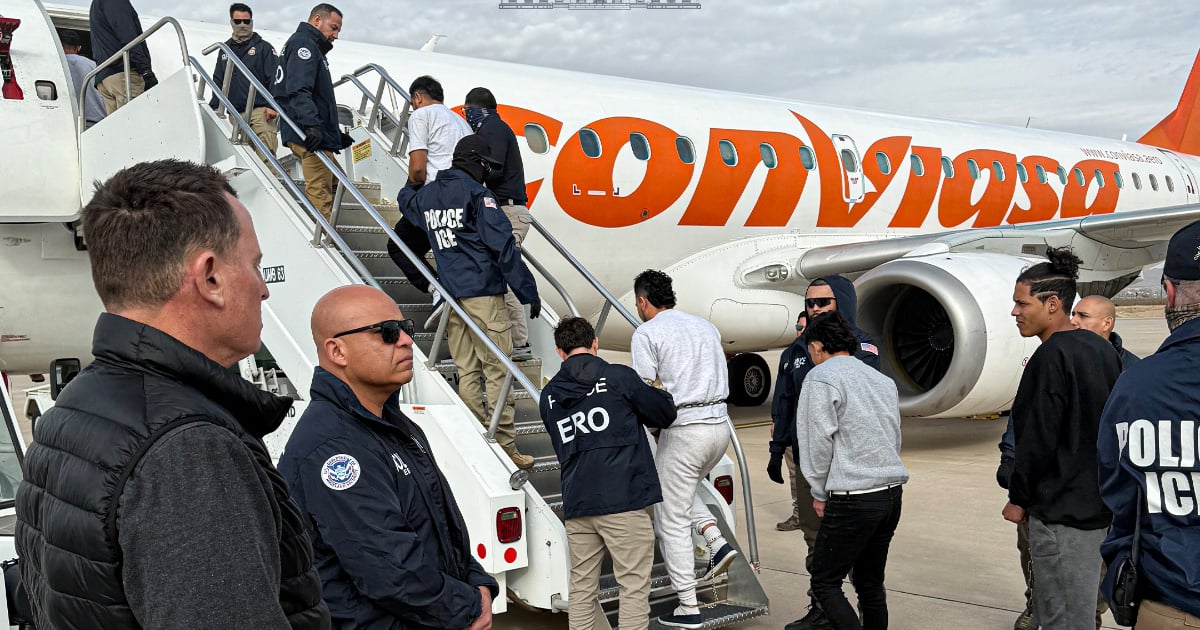
The United States began deportation flights to Venezuela on Monday, a fact that occurred much more quickly than anticipated and confirms the tightening of immigration policies under the administration of Donald Trump.
According to the post on X by the White House, the moment was overseen by Richard Grenell from El Paso, Texas, a diplomat experienced in international policy and who is at the forefront of special missions during the Trump era.
Since last Friday, following the negotiations, the U.S. government indicated that it would resume deportation flights to Venezuela, but many experts believed it would take a little longer.
Tom Homan, known as the "Border Czar," stated in an interview with The New York Times that “they were going to happen within the next 30 days.” However, everything changed in the blink of an eye.
The measure puts hundreds of thousands of Venezuelans at risk of expulsion, reigniting the debate over the future of migrants in U.S. territory. Furthermore, many natives of that country find themselves in a migratory limbo as Trump rescinded the Temporary Protected Status (TPS) for those who obtained protection in 2023.
In parallel, the government of dictator Nicolás Maduro has responded with the reactivation of the Return to the Homeland Plan, sending planes to repatriate Venezuelan citizens from the U.S., as confirmed by the Minister of Communication, Freddy Ñáñez.
It is worth noting that the deportation of Venezuelans with serious criminal records to the Guantanamo military base in Cuba is also happening, a measure that has generated strong criticism and questions regarding respect for human rights in this process.
The resumption of these flights marks a new chapter in the tense relations between Washington and Caracas, and brings to the forefront the fate of thousands of Venezuelans seeking refuge in the U.S.
Frequently Asked Questions about the Resumption of Deportation Flights to Venezuela from the U.S.
Why has the United States resumed deportation flights to Venezuela?
The United States has resumed deportation flights to Venezuela as part of the tightening of its immigration policies under the administration of Donald Trump. This decision came after negotiations between the U.S. government and the regime of Nicolás Maduro, in which it was agreed to accept the deported migrants. This move also aims to reduce the presence of illegal migrants in the U.S.
What happens to Venezuelans who were under Temporary Protected Status (TPS) in the U.S.?
The administration of Donald Trump has revoked Temporary Protected Status (TPS) for more than 300,000 Venezuelans in the United States. This measure leaves many Venezuelans vulnerable to deportation, as TPS does not provide a pathway to citizenship, and its revocation means they will lose their temporary status within 60 days following the official termination.
What is the stance of Nicolás Maduro's government on the deportation of Venezuelans?
The government of Nicolás Maduro has responded by reactivating the Return to the Homeland Plan, sending planes to repatriate Venezuelan citizens from the U.S. Furthermore, it has agreed to accept deported migrants as part of an agreement with the Trump administration, indicating cooperation to facilitate the return of its citizens.
What are the implications of the deportation of Venezuelans to the Guantanamo base?
The deportation of Venezuelans with serious criminal records to the military base in Guantánamo, Cuba has sparked fierce criticism and raised questions about the respect for human rights in this process. This measure is part of the immigration policies of the Trump administration and aims to temporarily house individuals who have violated U.S. immigration laws.
Filed under: