
Related videos:
The Cuban regime will receive funding of 9.3 million dollars from the Food and Agriculture Organization of the United Nations (FAO) to increase food production in the agricultural and fishery sectors of western Cuba.
The information, shared on the official FAO page, details that the amount is being provided in conjunction with the Global Environment Facility (GEF) and the Center for Research in Protein Plants and Bionatural Products (CIPB) to initiate a "new project" for food production "through a circular economy approach and the implementation of financial incentives in the public and private sectors."
The initiative, which is part of the Global Integrated Program of the Blue and Green Islands, will last five years and aims to "transform" the agri-food systems across 53,850 hectares of land.
According to the FAO statement, this would benefit ten municipalities in the western region of the Island, although none were specified.
At the same time, it would ensure the production of food while protecting, restoring, and promoting the sustainable use of terrestrial and marine ecosystems in the territories.
Amid a landscape of severe food shortages in Cuba, the regime promotes the project as a "global program" that will benefit approximately 18,694 people, of whom more than half are women.
The funding aims to restore 7,000 hectares of agricultural land and 600 hectares of forests, with an expectation of reducing greenhouse gas emissions (CO2) by 1.2 million tons.
"The initiative will incorporate the ecosystem services approach into local development programs and strategies, and will promote nature-based solutions in local agri-food systems," emphasized the FAO.
At the end of 2024, following the passage of hurricanes Rafael and Oscar through Cuba, the United Nations (UN) increased the amount required for its action plan to address the serious damage caused by the impact of these natural phenomena and two major earthquakes to $78.3 million (75 million euros).
Initially, the initiative envisioned mobilizing 33 million dollars to address the damage caused by Hurricane Óscar, which struck the northeastern tip of the island on October 20.
Shortly thereafter, the plan was updated to include the damage caused by Hurricane Rafael, which hit the western region on November 6, as well as two earthquakes measuring 6 and 6.7 that occurred later in the southeast of the country.
At that moment, the FAO provided funding of $680,000 for agricultural, forestry, and fishing recovery in the municipalities of San Antonio del Sur, Imías, Maisí, and Baracoa.
The measure aims to revitalize the production of short-cycle crops, recover livestock and fish production, and improve the livelihoods of farmers and fishermen.
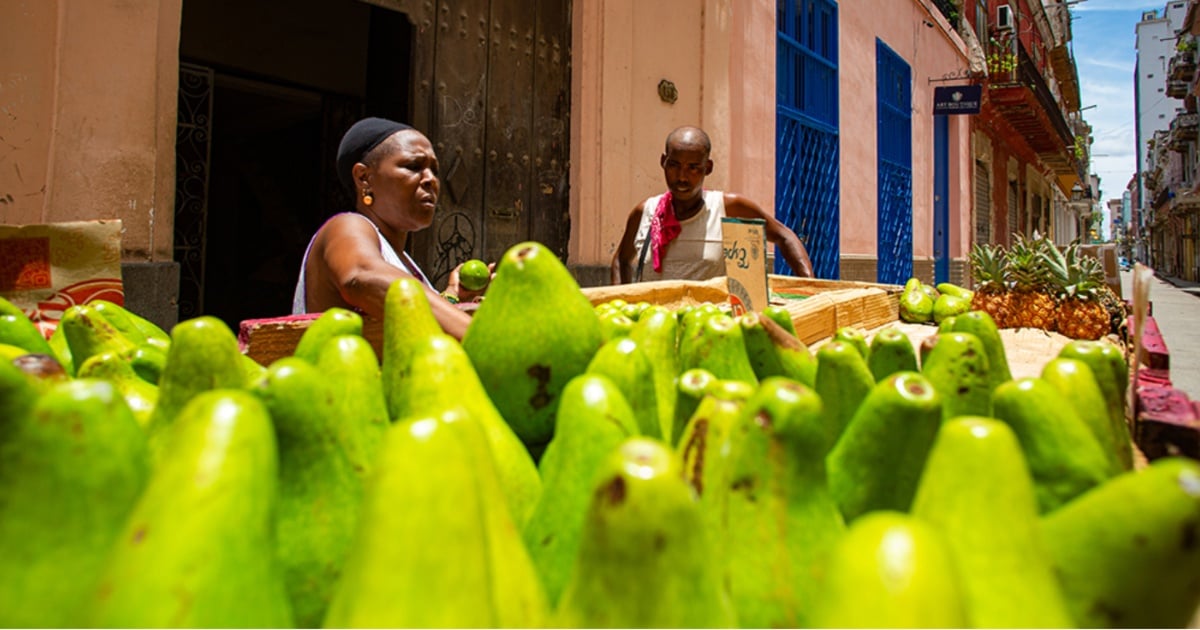
However, currently, the country is facing a lack of basic food for the population and a decline in agricultural production.
The regime has not specified how the budget sent by the UN to alleviate the effects of the crisis was executed.
Frequently Asked Questions about FAO Assistance to Cuba
What amount of money will the Cuban regime receive from the FAO to increase food production?
The Cuban regime will receive funding of 9.3 million dollars from the Food and Agriculture Organization of the United Nations (FAO) to increase food production in the agricultural and fishing sectors of western Cuba.
What are the objectives of the new food production project funded by the FAO?
The project funded by the FAO aims to transform the agri-food systems on 53,850 hectares of land and will benefit ten municipalities in the western region of Cuba. Additionally, it is expected to restore 7,000 hectares of agricultural land and 600 hectares of forests, reducing greenhouse gas emissions by 1.2 million tons.
How will FAO funding be used in Cuba?
The financing of 9.3 million dollars from the FAO will be used to launch a new food production project with a circular economy approach. In addition, financial incentives will be implemented in both the public and private sectors, and nature-based solutions will be promoted for local agri-food systems.
What impact has international aid had on Cuba's recovery after natural disasters?
International aid has been significant, with various organizations and countries contributing to Cuba's recovery after natural disasters. For example, the UN raised its assistance to 78.3 million dollars to address the damages caused by hurricanes and earthquakes, and the EU approved an additional 2.7 million euros to support the country's recovery.
What is the current state of agricultural production in Cuba?
Currently, Cuba is facing a decrease in agricultural production and a severe shortage of basic food items. Despite receiving funding and international assistance, the Cuban regime has not specified how it has executed the budget sent by the UN to alleviate the food crisis.
Filed under: