
Related videos:
The egg market in the United States is facing an unprecedented crisis, with a projected increase of 41% in prices by 2025, according to a recent report from the United States Department of Agriculture (USDA).
The report, published this Tuesday, attributes this increase to the spread of avian influenza, which has affected millions of birds in the country.
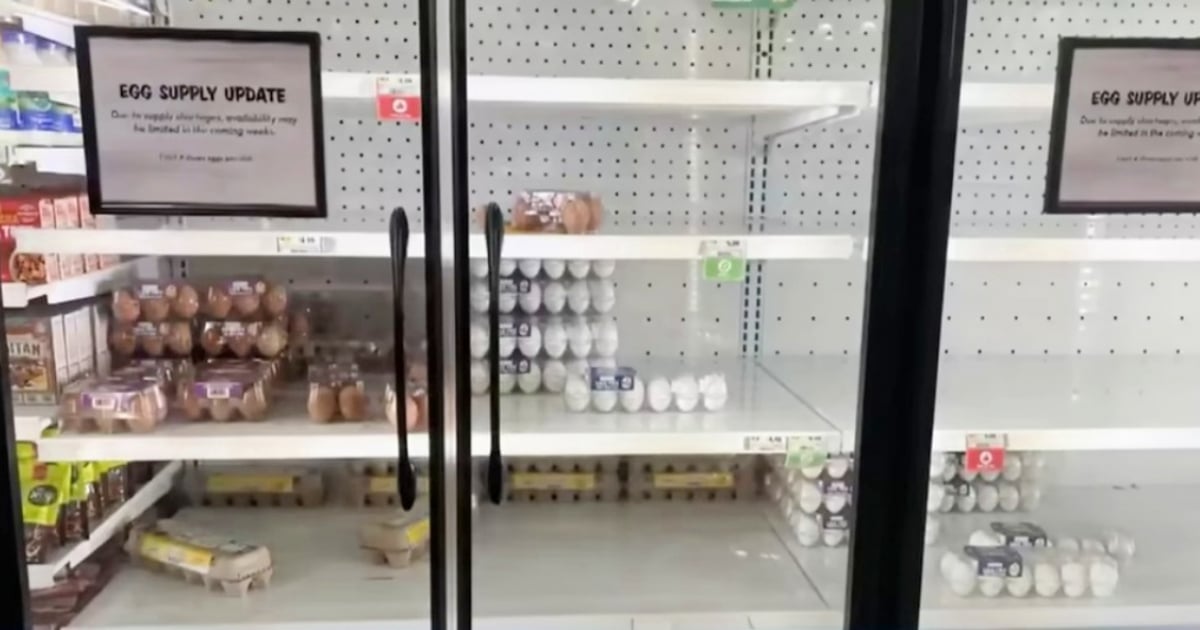
In January, the USDA reported that 18.8 million commercial laying hens had been affected by this disease, significantly reducing egg production.
In February, the number exceeded 30 million, exacerbating the egg shortage in the market.
This situation has created considerable pressure on prices, and conditions are not expected to improve in the short term.
Since the outbreak began in 2022, more than 166 million birds have been culled to contain the spread of the disease, the majority of which are laying hens.
Highly pathogenic avian influenza has led to a drastic decrease in egg production, affecting the supply capability of commercial farms and causing a crisis in the market supply.
As a result, retail prices for eggs have been on a steady rise, with a 13.8% increase in January, following an 8.4% rise in December. Compared to the same month last year, prices have soared by 53%.
A record price and its impact on consumers
The average cost of a dozen eggs reached $4.95 in January, breaking historical records. In some cities, the price has doubled, exceeding one dollar per unit.
This situation has forced restaurant chains like Denny's and Waffle House to add surcharges on dishes made with eggs, passing the cost onto consumers.
The rising cost of this staple food has severely impacted family budgets. According to economists from the University of Arkansas, "the egg crisis cost American consumers at least 1.4 billion dollars in 2024."
Trump administration's response: measures and emergency plan
In light of the seriousness of the issue, the administration of President Donald Trump has presented an emergency plan led by Secretary of Agriculture Brooke Rollins. "It will take some time; I think it will happen in the next month or two, but I hope it will be by summer," Rollins stated at a press conference.
The strategy includes an investment of an additional 1 billion dollars, added to the 2 billion already allocated since 2022 to combat avian influenza.
Among the announced measures are:
-Support for poultry producers: Up to 500 million dollars will be allocated to strengthen biosecurity on farms and prevent the spread of the virus.
-Support for affected farmers: Up to 400 million dollars will be offered in aid to help poultry farms resume operations following an outbreak.
Research and development of vaccines: Up to 100 million dollars will be invested in the development of more effective treatments and vaccines against avian influenza.
-Elimination of regulations: The aim is to reduce restrictions to facilitate egg production and allow the raising of hens in private homes.
Importation of eggs: The government is considering the purchase of between 70 and 100 million eggs from abroad to alleviate the crisis.
However, this measure would only represent a fraction of the 7.57 billion eggs produced monthly in the U.S., so its impact could be limited.
The challenges of the government plan
Despite the optimism expressed by Rollins, the proposed solutions could take months to reflect in price reductions. The recovery of infected farms requires time, as poultry farmers must dispose of the carcasses, disinfect the facilities, and raise new birds before resuming production.
Additionally, some experts question the effectiveness of the government's strategy, particularly concerning the importation of eggs and the elimination of regulations. It has also been noted that the Department of Government Efficiency (DOGE), led by billionaire Elon Musk, has pushed for budget cuts that have resulted in the dismissal of key personnel in the fight against avian influenza, which could hinder the implementation of the plan.
Democratic Senator Amy Klobuchar has requested the Department of Agriculture to "confirm that it has rehired all the individuals involved in the avian flu response who were dismissed."
The USDA warns that volatility in the egg market will continue in the coming months and that the cost of the product may keep rising. "Egg prices are expected to increase by 41.1% in 2025, with a prediction range between 15.0% and 74.9%," states a USDA report.
With a food inflation rate already impacting consumers, the surge in egg prices poses an additional challenge for American households.
On its part, the poultry industry remains on alert due to the spread of avian flu and the possibility that new outbreaks could worsen the situation. In the meantime, consumers will need to prepare to continue facing high prices in a market increasingly affected by the health crisis and limitations in the supply of eggs.
Frequently Asked Questions about the Rise in Egg Prices in the U.S.
Why have egg prices in the United States risen so much?
The increase in egg prices in the United States is primarily due to the outbreak of avian influenza, which has affected millions of laying hens, significantly reducing egg production. This has resulted in a market shortage, driving up costs for consumers. Additionally, inflation and higher production costs have further contributed to the rise in prices.
How much are egg prices expected to rise in 2025?
According to a report from the United States Department of Agriculture, egg prices are projected to increase by 41% in 2025. This forecast reflects the severity of the current crisis and the uncertainty regarding its resolution in the short term.
What measures is the U.S. government taking to address the egg crisis?
The U.S. government has announced a $1 billion investment to combat avian influenza and protect the poultry industry. The measures include assistance for producers, support for affected farmers, research on vaccines, and the removal of regulations to facilitate egg production. Additionally, the importation of eggs is being assessed to mitigate the shortage.
How is the egg crisis affecting consumers and restaurants in the U.S.?
The egg crisis has severely impacted consumers and restaurants in the U.S. High prices have forced families to adjust their budgets, while restaurant chains like Waffle House have implemented surcharges on dishes that contain eggs. The shortage has also led to purchasing restrictions on eggs in supermarkets.
Filed under: