
Related videos:
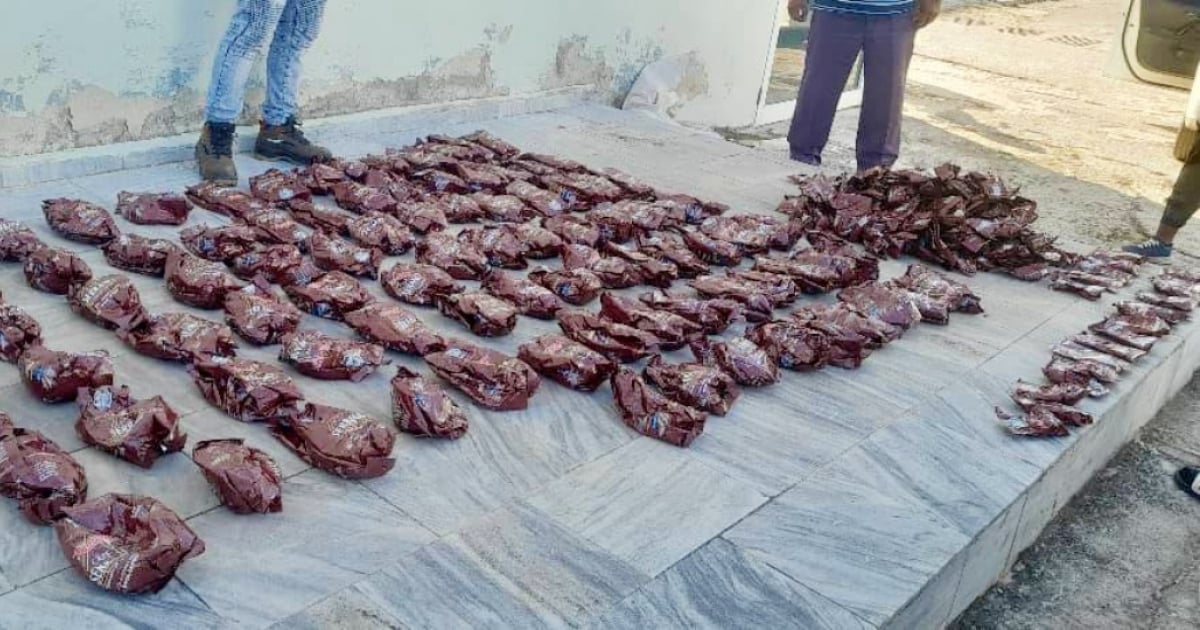
The Cuban authorities dismantled a clandestine coffee factory in the Havana municipality of Marianao, which was packaged in Serrano coffee containers.
The discovery took place at Finca Santa Catalina, located in the Pogolotti neighborhood, as stated on Facebook by the official profile "Javier Gutiérrez".
The mentioned source specified that the operation was led by the Sector Chief and the Technical Investigations Department (DTI) of the Ministry of the Interior (MININT).
According to the report, the factory was operating non-stop, selling adulterated coffee in packaging from official brands.
The note did not provide details on the amount of coffee seized nor the number of arrests made during the operation.
It has become common for the Cuban regime to provide only glimpses of police operations—always through official profiles on social media—lacking details of interest to the public.
The announcement sparked a debate on social media, with divided opinions between those who support the measure and those who see it as yet another indication of the supply crisis in the country.
Some internet users expressed indignation at the possibility that officials or state employees might be involved in the sale of the containers used by the illegal factory.
"This must be taken to the fullest extent. Pay close attention, those coffee containers must have come from the factories. These criminals buy the containers from employees of packaging companies to tamper with the product and sell it," a user reported.
Others pointed out the lack of control in the agricultural sector as a fundamental issue.
"That is the little control the State has over the productions of farmers and cooperatives. Many times the products rot because there is no transportation or simply because they don't feel like picking them," commented a user, citing the amount of mangos that are wasted each year while children lack baby food.
Scarcity and desperation: "Now neither clandestine nor legal"
Several Cubans expressed their concern about the lack of coffee on the island and how this illegal network somewhat filled a gap in state distribution.
"Now the neighborhood is out of coffee"; "How great! Now for sure they will distribute that in the bodegas and we can have a decent coffee... Ah, no, sorry... that’s in MLC or USD"; "What they need to address is the animal thieves and not those people who only give us what the State doesn't provide us", commented three users.
There were also those who recalled that access to basic products such as coffee, sugar, and cigarettes has become increasingly difficult in Cuba.
A powerful reflection concluded the debate: "Now neither clandestine nor legal."
As of the closing of this report, there are no further details regarding the discovery of the clandestine coffee factory.
The case adds to the campaign against corruption and drugs that the regime has been carrying out in recent weeks, actions that it consistently promotes through pro-government Facebook profiles, and rarely through official media such as Cubadebate.
Frequently asked questions about the dismantling of the clandestine coffee factory in Cuba
What happened at the clandestine coffee factory in Havana?
Cuban authorities dismantled an illegal coffee factory in the municipality of Marianao, Havana. The factory was operating non-stop, selling adulterated coffee in packaging of official brands, which sparked a debate on social media about the supply crisis in the country.
What are the consequences of the black coffee market in Cuba?
The black market for coffee in Cuba is a direct consequence of the crisis in official supply and distribution. Quality coffee has become an inaccessible luxury for the majority, fueling a parallel economy. This creates social tensions and reflects the government's inability to meet the basic needs of the population.
How has the population reacted to the discovery of the clandestine coffee factory?
The reaction from the population has been mixed. Some citizens support the measure, while others interpret it as another example of the supply crisis in the country. The lack of coffee in the state market leads many to see these illegal operations as a way to meet their needs.
What implications does this case have for the fight against corruption in Cuba?
The dismantling of the clandestine coffee factory is linked to the government's crackdown on corruption. However, these actions rarely address the underlying causes of the scarcity, which limits their effectiveness and does not resolve the structural problems of the Cuban economy.
Filed under: