
Related videos:
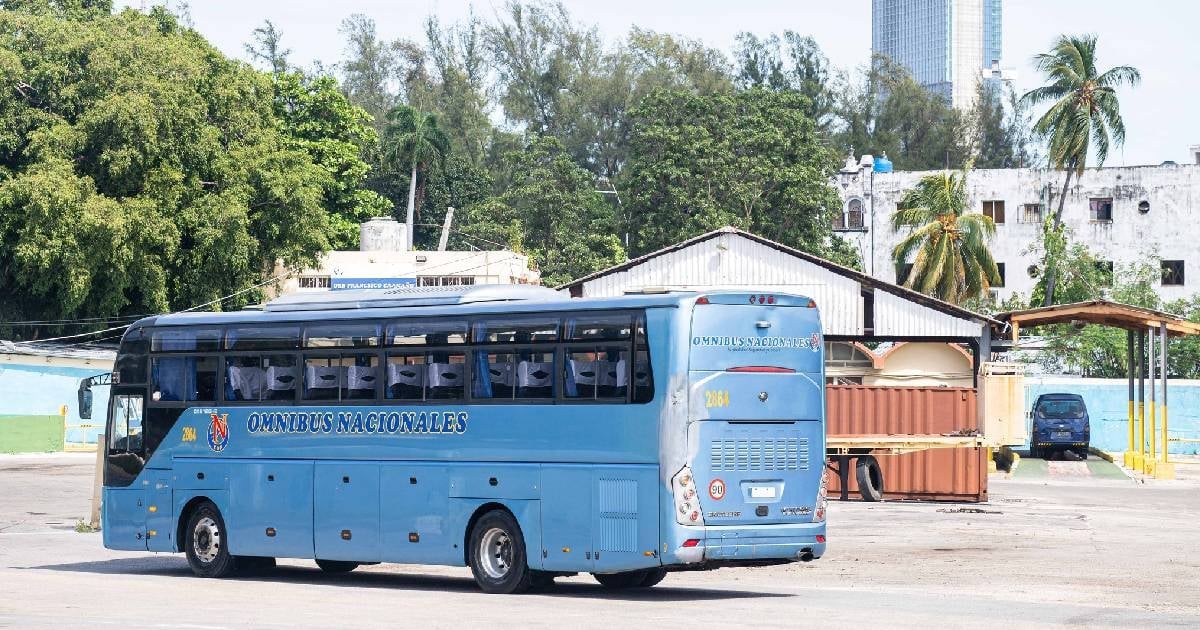
The National Bus Company (EON) ended the year 2024 with a significant reduction in its operations, as only 36% of the trips that were made in 2019 are still being maintained.
Eduardo Rodríguez Dávila, Minister of Transport, acknowledged on Facebook the crisis affecting the sector, although he highlighted the increase in the number of passengers transported, which reached 8,870,473, a figure that surpassed the 2023 reported number by 1,729,655.
However, this increase does not reflect a real improvement in the service, but rather the inclusion of transport provided by leased buses and local routes, while interprovincial transportation, its main function, continues to be in crisis.
According to the head of the department, a total of 150 daily departures are being carried out within the National Schedule, a figure significantly lower than before the pandemic, when the company ensured much broader interprovincial mobility.
Among the main issues affecting the operations of Ómnibus Nacionales are the lack of fuel, the shortage of lubricants, financial limitations, and the scarcity of spare parts, the minister noted.
The financial crisis has affected the company's ability to repay loans and keep the vehicle fleet in optimal condition, resulting in a Technical Availability Coefficient of 50%, which is 19% lower than in 2023.
Of the 588 buses in the fleet, 240 remain inactive, and there were 1,453 breakdowns recorded in the year, an increase of 553 failures compared to the previous year, Rodríguez noted in his post.
Another critical aspect is the punctuality of the service, which has been severely affected. In this regard, during 2024, there were 8,813 delays, representing a decline in service efficiency compared to 2019, when punctuality exceeded 98% and delays were 4,079.
Infrastructure problems have also affected service quality. Poor communication with passengers, especially regarding delays or cancellations, has led to frustration and misinformation among travelers, who rely on interprovincial transport to get around in a country where mobility options are increasingly limited.
Despite the increase in transported passengers, the data shows that Ómnibus Nacionales remains in crisis.
The reduction of routes, lack of vehicle maintenance, and scarcity of resources have turned the service into a shadow of what it was in 2019, as acknowledged by the head of the department.
In February, Rodríguez dismissed rumors of transportation halting in Cuba, assuring the ongoing operation of interprovincial services despite the energy crisis affecting the country.
Additionally, he emphasized that, although there have been some operational inconveniences, no services have been canceled due to the deficit in electricity generation in the country.
However, that same month, the Travel Reservation Services Company, in conjunction with the Ministry of Transport, issued an official statement announcing the reduction of its operations and apologized for any inconvenience this measure may cause.
All passengers in the country were informed that on Friday, February 14, agencies provided service only until 12:00 noon, in order to contribute to energy savings. Nevertheless, the sales cycle continued, selling tickets for March 16 and 17 of this year.
Frequently Asked Questions about the Transportation Crisis in Cuba
Why has the National Bus Company reduced its operations to 36% compared to 2019?
The reduction in the operations of the National Bus Company is due to a lack of fuel, a deficit of lubricants, financial limitations, and a shortage of spare parts. These issues have impacted the ability to maintain the vehicle fleet and have resulted in a significant decrease in the number of interprovincial trips compared to 2019.
How is the transportation crisis affecting interprovincial mobility in Cuba?
The transportation crisis has reduced the daily departures of interprovincial buses and increased delays and cancellations of trips. Despite the Transport Minister assuring the continuity of the service, the reality is that the operational routes are significantly fewer and the punctuality of the service has deteriorated, severely impacting the mobility of Cuban citizens.
What role do privately leased buses play in the transportation crisis in Cuba?
The buses rented from private individuals have partially alleviated the transportation crisis in Cuba. The government has rented state vehicles to private entrepreneurs so they can handle their repair and maintenance. However, this solution has brought issues such as disorganization, irregular pricing, and inconsistent access to fuel, leading to misunderstandings among the population.
Why is the tourism sector prioritized in the acquisition of new buses in Cuba?
The Cuban government has prioritized the acquisition of new buses for the tourism sector despite the crisis in public transportation. Recently, a batch of buses from China intended for tourism was received. This decision has sparked criticism, as the public sector is facing significant deterioration, and it is seen as a mismanagement of resources amidst the economic crisis.
Filed under: