
Related videos:
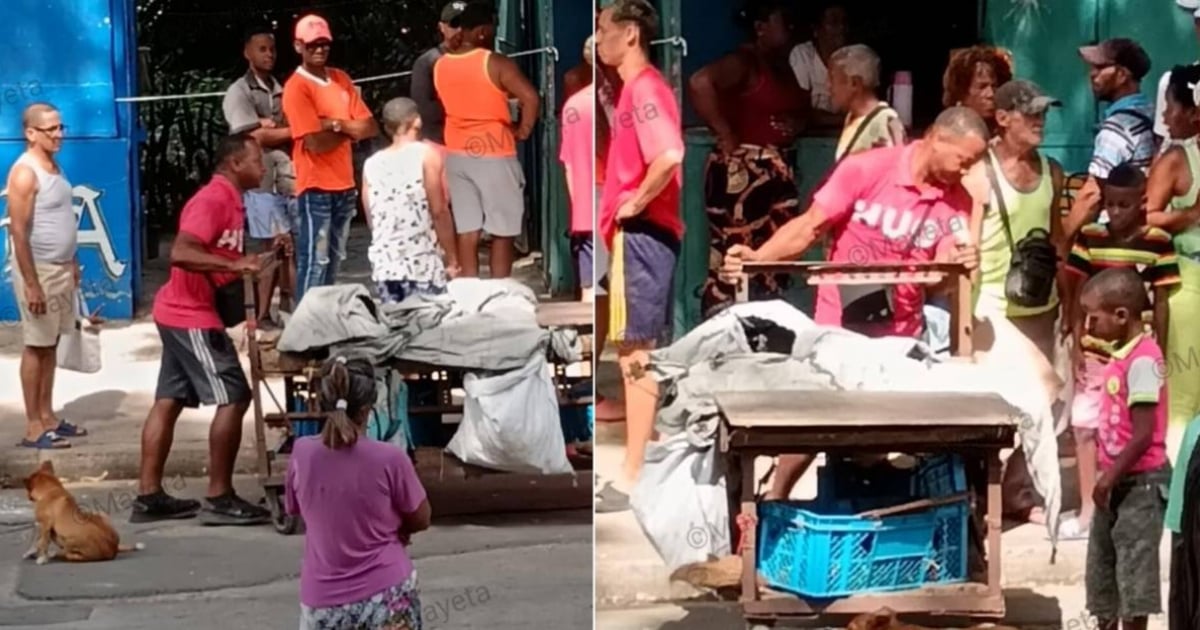
A cart vendor identified as Damián was forced by the Cuban police to sell his products at a significantly low price in the Micro 9 area of Santiago de Cuba.
Independent journalist Yosmany Mayeta Labrada reported that officers imposed forced sales on him to prevent the confiscation of his merchandise and also imposed a monetary fine.
"To avoid having his goods confiscated, they told him he had to sell everything at a price that even the State doesn’t sell. He had to sell the merchandise for much less and, on top of that, he was fined 36,000 pesos," reported a resident who witnessed the event.
The local community, rather than expressing solidarity with the self-employed individual, took advantage of the situation to acquire products at ridiculously low prices, in an act that many have labeled as a testament to the economic crisis and the desperation facing the population.
"The people, instead of supporting Damián by not buying anything, ended up buying and buying, as these two officials said that if he didn't sell it below the price, they would seize his merchandise," explained a neighbor.
The economic impact of this action is not limited to the loss of their products, but also includes a fine that could signify their financial ruin. "Where is Damián going to get 36,000 pesos, if he is just another fighter, like any other Cuban trying to survive?" questioned the source.
Reports of this kind have become common in Santiago de Cuba, where self-employed workers have been subject to harassment by state inspectors and law enforcement agents.
While private merchants are harshly penalized, the authorities continue to refrain from intervening in state markets, where product prices remain unaffordable for the majority of the population.
The abuse of authority and repression against private entrepreneurs in Cuba continues to be a growing concern. If you have been a victim of a similar situation or are aware of cases of police abuse, you can report it through our page to raise awareness of your complaint.
Frequently Asked Questions About the Repression of Self-Employed Workers and the Economic Crisis in Santiago de Cuba
Why does the police force street vendors to sell their products at low prices in Santiago de Cuba?
The police force street vendors to sell their products at low prices to avoid the confiscation of their goods. This is done under the threat of fines and the seizure of products, leaving vendors in a vulnerable economic position. This practice reflects the repression of private entrepreneurs in a context of economic crisis and a lack of government support for informal traders.
How does repression affect self-employed individuals in Santiago de Cuba?
The repression of self-employed individuals affects their ability to earn a living and support their families. Excessive fines and forced sales at ridiculous prices can lead to the financial ruin of merchants, who are already operating in a precarious economic environment. Moreover, these measures generate distrust and discontent among the population, who perceive the government's actions as unfair.
What role do social media play in denouncing abuses against self-employed workers in Cuba?
Social media is essential for highlighting and denouncing abuses against self-employed individuals in Cuba. Independent journalists and citizens use platforms like Facebook to share videos and experiences, allowing complaints to spread quickly and generate discussion about the economic and social situation in the country.
What is the Cuban government's stance on the crisis of street vendors?
The Cuban government has intensified actions against corruption and illegal activities, focusing on street vendors and self-employed individuals. These measures have been criticized for not addressing structural issues and for exacerbating social and economic tensions, directly impacting those trying to survive in a crisis context.
Filed under: