
Related videos:
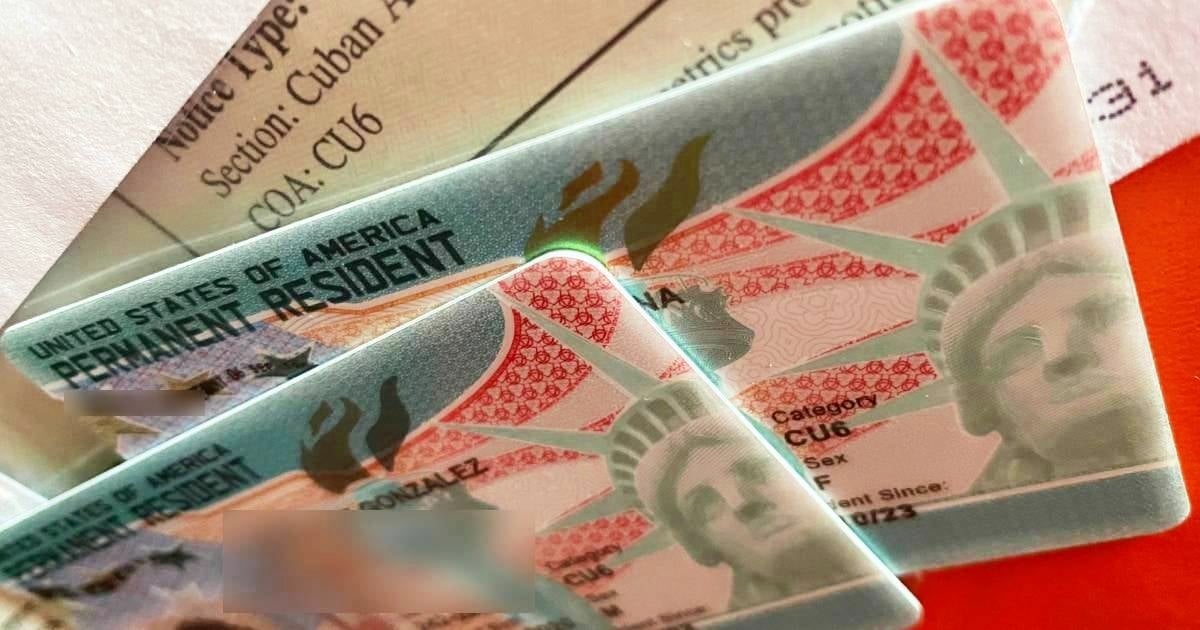
In recent days, numerous immigration lawyers have warned about a risk that many legal permanent residents in the United States are unaware of: signing the I-407 form upon entering the country can lead to the permanent loss of the Green Card.
Having legal permanent residency in the United States does not guarantee total protection against deportation proceedings.
There are situations in which a resident can lose their status, even without having committed serious offenses, and one of the most delicate is precisely the signing of this form.
A document that could cost you your residency
Immigration attorney José Jordán recently indicated that there has been an increase in cases of legal residents losing their residency after being pressured to sign this form upon returning to the United States, whether at the border or an airport.
“We are seeing a much higher number of people who are renouncing their residency at the border, meaning that those who are leaving and returning are being placed in a room by border police and are being convinced to renounce their residency by filling out the form called I-407”, warned Jordán in statements reported by Telemundo 51.
The lawyer emphasized that signing this document is interpreted as a voluntary waiver, even if it was done under pressure or without full knowledge of its implications.
He added that immigration agents can determine that a resident should not retain their status, even if they have no criminal record.
What is Form I-407?
According to the United States Citizenship and Immigration Services (USCIS), the I-407 form or Record of Abandonment of Lawful Permanent Resident Status is a document through which a person notifies the U.S. government of their decision to renounce their status as a lawful permanent resident (LPR).
This form can be submitted to a Customs and Border Protection (CBP) officer at a port of entry into the country or mailed to USCIS.
If a person refuses to sign it, officials cannot presume their resignation, so their status remains legally intact.
Change in policies and risk of detention
Jordán noted that immigration policies have changed, especially since the arrival to power of President Donald Trump, which increased the risk of detention and deportation for many residents.
“With the new government of Donald Trump, immigration policies have changed, now allowing the immigration officer to detain the person in a detention center instead of giving them a notice to appear before a judge, as was done before,” the lawyer explained.
The expert emphasized that, even if a person is detained upon entering the United States, they should not sign the form.
He advised against succumbing to the pressure from immigration agents.
“You do not have to sign any documents, you do not have to renounce your residency and even if you are detained in a detention center (although no one wants to be detained), at least you will remain a resident and the judge will return your residency if you do not have major issues,” he assured.
Who is at greater risk of losing their residency?
The possibility of a permanent legal resident losing their status is not limited solely to those with a criminal record.
Anyone who exits the United States and reenters is subject to a new admission process, during which officials may determine whether the individual can retain their residency.
Jordán explained that among the most vulnerable are those with conditional residencies, such as those who do not spend the majority of their time in the United States, or those living in nearby countries like Mexico or Canada who cross the border to work.
Those who have been accused of crimes, even if they turn out to be innocent, can also be targeted by these measures.
What to do if you encounter problems when entering the U.S.?
Attorney José Jordán provided a series of key recommendations for residents returning to the United States:
-Ask the official at the port of entry to present yourself before an immigration judge.
"Do not sign any documents they give you upon your entry into the country."
If you are detained, call a lawyer or seek legal representation.
-If you have a criminal record or have committed a crime, consult a lawyer before leaving the country to get advice about your case.
- Learn about your rights.
The lawyer also advises that, as soon as the law permits, legal residents should become U.S. citizens, as this way “they cannot be subjected to deportation proceedings.”
Can they check your phone or your documents?
Yes. In the context of entering the United States, immigration agents may review your documentation and even your cellphone to determine if you truly reside in the country.
This type of control aims to verify whether the resident maintains genuine and lasting ties to the United States, a key criterion for preserving immigration status.
Conclusions
The warning is clear: Do not sign the I-407 form without legal advice. It may result in the permanent loss of your residency in the United States. Educate yourself, know your rights, and consider citizenship as a means of long-term protection for your immigration status.
Frequently Asked Questions about Form I-407 and Residency in the U.S.
What is the I-407 form and why is it important not to sign it when returning to the U.S.?
The I-407 form is a document that indicates the voluntary renunciation of legal permanent resident status in the United States. Signing it can lead to losing residency, even if there is no intention to abandon it. Immigration agents may present this form to residents upon reentry into the country, and signing it can be interpreted as a voluntary decision to renounce residency, which may have irreversible consequences.
What should permanent residents do if they encounter problems when entering the U.S.?
Permanent residents facing issues entering the U.S. should not sign any documents without consulting a lawyer and request to appear before an immigration judge. It is also important to call a lawyer or seek legal representation if they are detained, and to consult a lawyer before traveling if they have a criminal record. Staying informed about their rights is key to protecting their immigration status.
Who is at greater risk of losing their residency in the U.S.?
Permanent residents who spend a significant amount of time outside the U.S., those with conditional residencies, and those who frequently cross the border, especially without having normalized their status, are at greater risk of losing their residency. Additionally, those with criminal records, even if they were found innocent, may face additional scrutiny when reentering the country.
What changes have affected immigration policies and the risks of deportation in the U.S.?
Since Donald Trump's presidency, immigration policies have tightened, increasing the risk of detention and deportation for permanent residents, even without criminal records. The new policies allow immigration agents to detain residents in detention centers and persuade them to renounce their residency by signing Form I-407, representing a significant shift in the enforcement of immigration laws.
Filed under: