
Related videos:
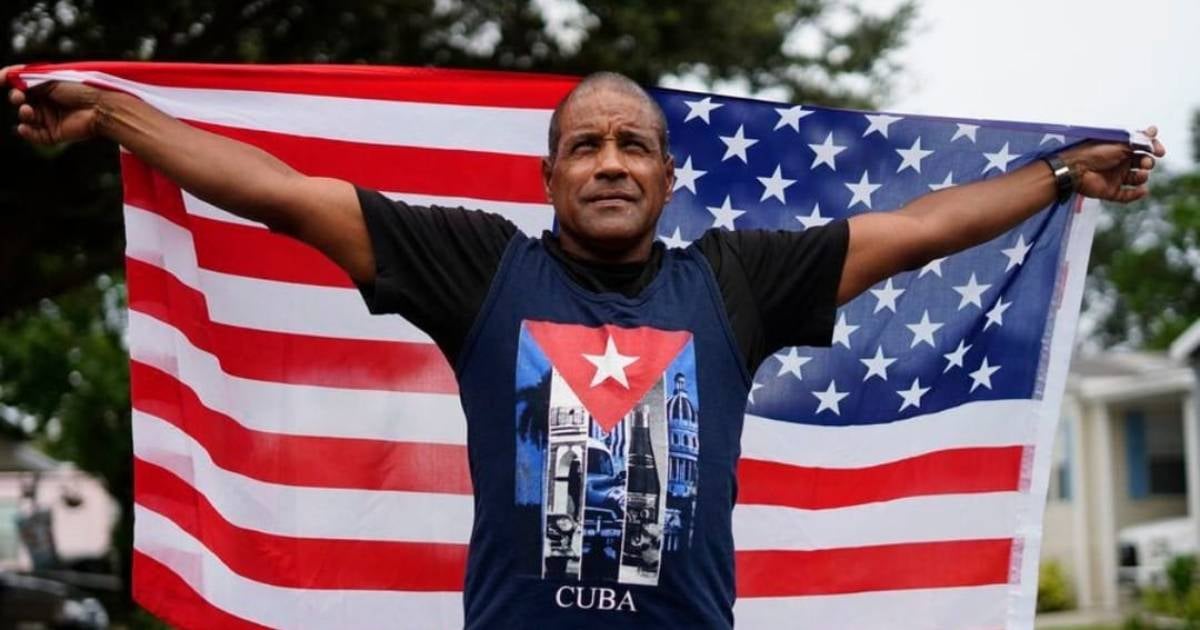
The world first got to know Daniel Llorente in 2017, when he burst into the May Day parade in Havana waving the American flag and yelling “Freedom!”.
The image traveled around the world; the Cuban regime responded as it knows how: imprisonment, repression, and psychiatric isolation. The activist was labeled as “the crazy one,” but he was simply a free man trapped on an island without freedoms.
After hell came exile. Llorente went to Guyana with his son, where he survived for two years sleeping on the streets and taking any job he could find.
Finally, in 2021, he landed in the United States with a backpack full of hopes… and without a roof over his head. He slept in his old van, parked in front of overcrowded shelters, supermarkets, and industrial areas of Hillsborough County.
And then Ralph Buran appeared, a 69-year-old American veteran who, moved by his story, offered his empty house in Spring Hill.
“During four weeks, my house is empty. I am out on the road making money, so he can stay at my home,” Buran told a TV station, as reported by Centro Tampa Bay.
For a year, Llorente lived with Buran, learned construction skills and secured a job. But time took a turn: the veteran fell ill —cancer, diabetes, high blood pressure, and a complicated surgery after breaking his femur— so he had to sell his house to pay medical bills.
It was then that Llorente decided to do the unthinkable for many, but inevitable for him: helping those who helped him.
He paid out of his own pocket for the rent of a new house for both of them, even though he barely manages to cover the monthly rent of $2,300 and still owes part of December's rent.
“He didn't ask me for anything when I needed help, do you remember?”, Llorente stated. “Helping him is not an obligation. It is a moral commitment and an act of gratitude. Those two reasons give me strength.”
The story of this exile has become an intimate testimony of empathy. "We are like brothers from different mothers,” says Buran.
Although one speaks Spanish and the other English, they communicate with phone translators, whiteboards in the kitchen, and much more than just words.
Now Llorente works renovating kitchens, installing floors, making repairs, while sharing breakfasts with Buran —Cuban toasts, coladas, or American coffees—, and also takes care of “Gato,” the stray cat they adopted as part of this unlikely family.
It's not the typical story of the “successful exile” who triumphs in Miami. It’s something much more human, more raw, more real. It’s the story of someone who has experienced uprooting, persecution, and hunger… and still chooses to give.
Daniel Llorente no longer needs to wave a flag in a square to demonstrate his rebellion. His most revolutionary gesture today is another: holding up the one who supported him, with the same dignity with which he challenged the tyrants of Cuba.
Frequently asked questions about Daniel Llorente's story and solidarity in the Cuban community
Who is Daniel Llorente and why is he known?
Daniel Llorente is known for having disrupted the May Day parade in Havana in 2017 while waving the flag of the United States, which resulted in imprisonment, repression, and isolation by the Cuban regime. His act became a symbol of protest against the lack of freedoms in Cuba.
How has Daniel Llorente repaid the help he received in the United States?
Llorente repaid the help he received from a U.S. veteran, Ralph Buran, who offered him his home when he arrived in the United States homeless. Daniel Llorente decided to cover the rent for a new house for both of them out of his own pocket, as an act of gratitude and moral commitment to Buran, who is now facing health and financial problems.
What challenges is Daniel Llorente currently facing in the United States?
Daniel Llorente faces the challenge of covering the monthly rent of $2,300 while assisting Ralph Buran. Despite his financial difficulties, Llorente remains committed to his work and the mutual support they provide for each other, demonstrating a strong bond of solidarity and friendship.
What role does solidarity play in the Cuban community according to the presented context?
Solidarity within the Cuban community is essential, both on and off the island. Examples of this solidarity include donations to those affected by natural disasters in Cuba and support for Cubans in vulnerable situations in the United States. The community comes together to provide emotional, economic, and logistical support to those in need, reflecting a strong sense of empathy and collaboration among Cubans.
Filed under: