
Related videos:
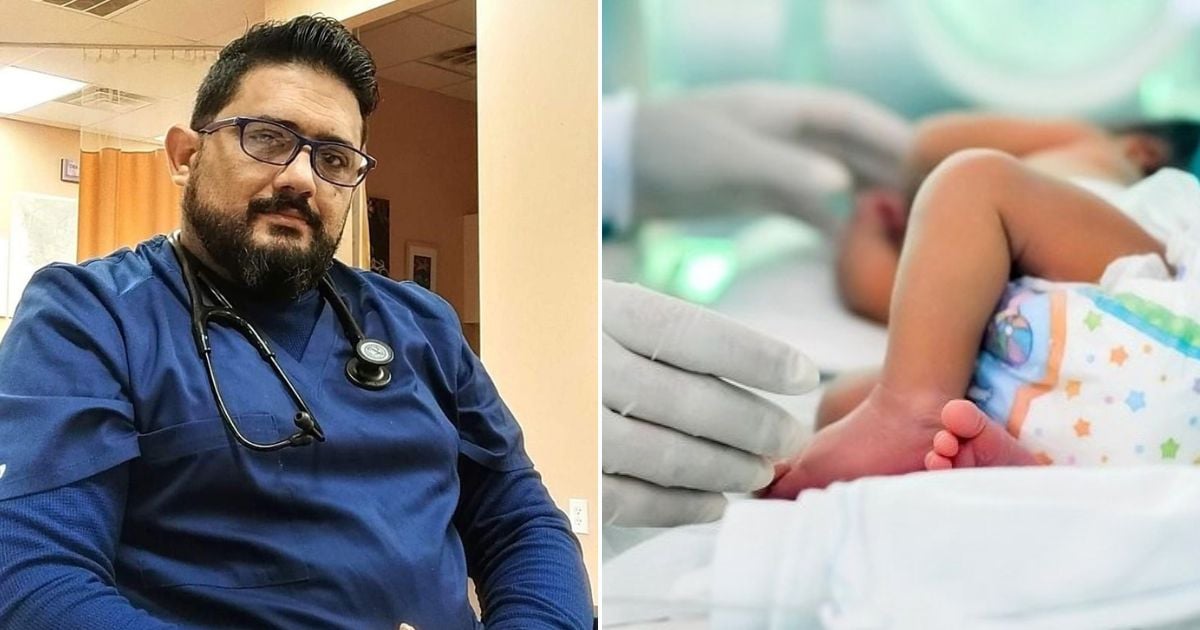
The exiled Cuban doctor Alexander Jesús Figueredo Izaguirre reignited social media this Monday with a confrontational response to the regime, following an official attempt to deny a serious allegation of manipulation of infant mortality figures in Cuba.
"Keep barking. I will keep posting," wrote Figueredo in a new message on Facebook, where he also joked about the official monitoring of his posts.
"Thank you Cubadebate for confirming that the dictatorship continues to read my posts as if they were part of the morning medical report, putting me on the front page. And thank you also for inadvertently proving me right," he emphasized.
His response comes after the provincial director of Health in Villa Clara, Juan José Pulido López, called the story shared by Figueredo “false” regarding an alleged institutional pressure against Dr. Anabel Obregón for saving the life of a newborn through an emergency cesarean section at the Placetas hospital.
According to the complaint, the aim of the pressure was to prevent the baby from being counted as an infant death if it were to pass away after birth, something that would impact the official statistics, which the regime highly values as propaganda for the supposed achievements of the socialist system.
Pulido argued that Dr. Obregón has been living outside the country for more than eleven years, and therefore her account could not be true. However, Figueredo dismantled that reasoning decisively.
"Precisely because she experienced firsthand the shortcomings of the Cuban healthcare system and left in disgust, like so many other doctors. Her testimony remains valuable because she lived it. Period," she emphasized.
In response to attacks on his status as an exile, he replied candidly: “One doesn’t have to live in a garbage dump to know it stinks. But I have more sources within the Cuban health system than you do in your entire newsroom. And unlike you, I don’t get paid to lie.”
And in response to the mockery that he wouldn't know where Placetas is, he replied: “I know that the hospital is in ruins, that there's a shortage of everything from cotton to antibiotics, and that its staff work amidst fear and frustration.”
The doctor concluded his statement with a new post that is even more provocative, in which he stated that the regime's attempt to disprove his allegations only serves to confirm the truth and impact of his words.
"When the dictatorship comes out to deny something, it is because it hurt," he wrote, in direct reference to the official media's efforts to discredit testimonies about the manipulation of statistics in the Cuban healthcare system.
“They have already started activating all their propaganda portals to ‘disprove’ the testimonies about the manipulation of infant mortality figures in Cuba. Perfect! That means it hit a nerve,” she added with an ironic tone.
Figueredo even publicly challenged officialist programs: "I would love for them to dedicate an entire segment to me on one of their defamatory shows. En Con Filo, on Razones de Cuba, on the National News of Lies, wherever they want. Because when they want to play with fire, I will respond with names, surnames, dates, hospitals, times, witnesses, and documents. Case by case."
He warned that all the evidence he possesses will be presented in court when the time comes: "And they'd better start rehearsing their speeches, because all that evidence will go straight to the courts when the night ceases to be eternal."
Finally, he made it clear that his struggle is not personal, but against a system that he claims has corrupted the essence of medicine: “The problem is not me, nor the exiles, nor the doctors who escaped. The problem is the criminal system that has turned public health into an altar of lies, where newborns are sacrificed to embellish statistics.”
“They are not going to silence me. They are not going to intimidate me. What is coming is worse for you: the truth,” he emphasized.
Far from refuting with evidence, the official response focused on discrediting the whistleblower and protecting the institutional narrative.
But the effect was the opposite: Figueredo's publication prompted a flood of similar testimonies on social media, where other doctors, students, and family members reported having experienced or witnessed practices aimed at manipulating child mortality figures.
The narratives span from the 1990s to the present day, showcasing an institutional culture where clinical decisions are subordinated to the political need to maintain "clean" statistics, even at the expense of newborns' lives and medical ethics. Rather than conducting an investigation, the regime has once again chosen to discredit, silence, and deny.
Frequently Asked Questions about the complaint of the exiled Cuban doctor and the healthcare system in Cuba
What is the complaint of the Cuban doctor Alexander Jesús Figueredo Izaguirre?
Doctor Alexander Jesús Figueredo Izaguirre reported the manipulation of infant mortality figures in Cuba, asserting that there are institutional pressures to distort official statistics, sacrificing medical ethics and the lives of newborns to maintain a favorable image of the Cuban healthcare system. His critique focuses on how the Cuban regime prioritizes propaganda over the true achievements of the healthcare system.
How did the Cuban regime respond to allegations of manipulating infant mortality figures?
The Cuban regime denied the story of manipulated infant mortality figures, calling it false and accusing Figueredo of lying. However, it did not present documented evidence that contradicted the allegations, but rather focused on discrediting the whistleblower based on his status as an exile and the time spent outside the country by the doctor involved in the case, Anabel Obregón.
What impact has Figueredo's denunciation had on social media and among other health professionals?
Figueredo's complaint has sparked a flood of similar testimonies on social media from other doctors and citizens who have corroborated the manipulation of figures and dishonest practices within the Cuban healthcare system. These accounts, ranging from the 1990s to the present, reveal an institutional culture that prioritizes statistics over human life and medical ethics.
What arguments does the Cuban regime use to discredit critics of the healthcare system?
The Cuban regime often discredits critics of the healthcare system by referring to their status as exiles or their lack of residence in the country as a way to invalidate their testimonies. However, this strategy overlooks the value of the experiences of professionals who have worked within the system and are now denouncing its shortcomings from abroad.
Filed under: