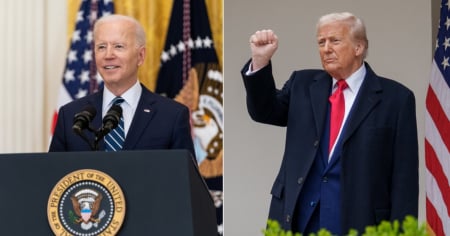
The President of the United States, Donald Trump, signed an executive order on Tuesday aimed at transforming the prescription drug pricing system in the country.
The measure aims to reduce costs for millions of Americans, expedite the approval of generic medications, and enhance the efficiency of the public health program Medicare, while simultaneously providing concessions to the pharmaceutical industry.
A statement released by the White House specifies that this initiative expands and deepens the current administration's efforts to improve access to essential medications while addressing structural issues in the pharmaceutical value chain.
Price reduction as the primary objective
Among the highlighted measures, the order instructs the Department of Health and Human Services to:
"Improve the Medicare Drug Price Negotiation Program," with the goal of exceeding the previously achieved 22% savings.
"Aligning Medicare payment for certain medications with the cost at which hospitals actually acquire them," which could reduce spending by as much as 35%.
"Standardize Medicare payments regardless of where the patient receives care," with the goal of cutting costs by up to 60%.
Extremely low prices for essential medications aimed at vulnerable populations are also considered
Insulin prices for low-income patients and uninsured individuals will be reduced to just $0.03, plus a small administrative fee.
Injectable epinephrine will cost only $15.
Generics, biosimilars, and transparency in the market
The order promotes a strong focus on competition, transparency, and efficiency by encouraging the use of generics and biosimilars as an alternative that is up to 80% cheaper than brand-name options.
Furthermore, the federal government is instructed to expedite the approval of these products by the FDA, and even to reevaluate certain prescription medications for over-the-counter sale.
The order also targets pharmacy benefit managers (PBM) by requiring "greater disclosure of the rates that PBMs pay to brokers."
Strengthening of Medicare and imports
The Trump administration proposes to strengthen the role of states to achieve better prices in their public health systems. Among the measures:
-Facilitate medication import programs, such as those already authorized in Florida.
-Encourage more efficient purchasing agreements for expensive medications, such as those used for sickle cell anemia.
Legislative changes and concessions to pharmaceutical companies
One of the most discussed aspects has been the instruction to Robert F. Kennedy Jr., Secretary of Health, to work with Congress and reform the current Medicare price negotiation program established in 2022 under the Inflation Reduction Act.
Pharmaceutical companies have criticized this program, especially the so-called "pill penalty," which restricts the price of certain medications for years.
Trump has acknowledged this concern, stating that "this penalty threatens to distort innovation and drive investments away from more accessible medications."
Trump wants small molecule drugs—such as pills and capsules, which account for the majority of medications—to have the same grace period (13 years) as biological drugs before they can be subject to price negotiation.
According to the Reuters agency, this is a victory for the industry, which has long been pushing to ease negotiation timelines and widen its profit margins.
Beyond the price: Imports and federal policies
In addition to the changes in Medicare, the executive order directs the FDA to encourage state applications to import medications from Canada and other countries. The goal is for more states to join Florida’s initiative.
At the same time, collaboration is encouraged with the Departments of Commerce and Justice, as well as with the Federal Trade Commission, to combat the anti-competitive behavior of manufacturers.
With this executive order, Trump solidifies his commitment to placing American patients at the center of the healthcare system, even as he incorporates longstanding demands from the pharmaceutical industry.
The administration insists that the measures will generate savings greater than those achieved in the first phase of the negotiation program, although specific details have not yet been revealed.
The reduction of drug costs, the democratization of access, and the restructuring of the pharmaceutical market are thus established as pillars of the current government's health approach.
Filed under: