
Related videos:
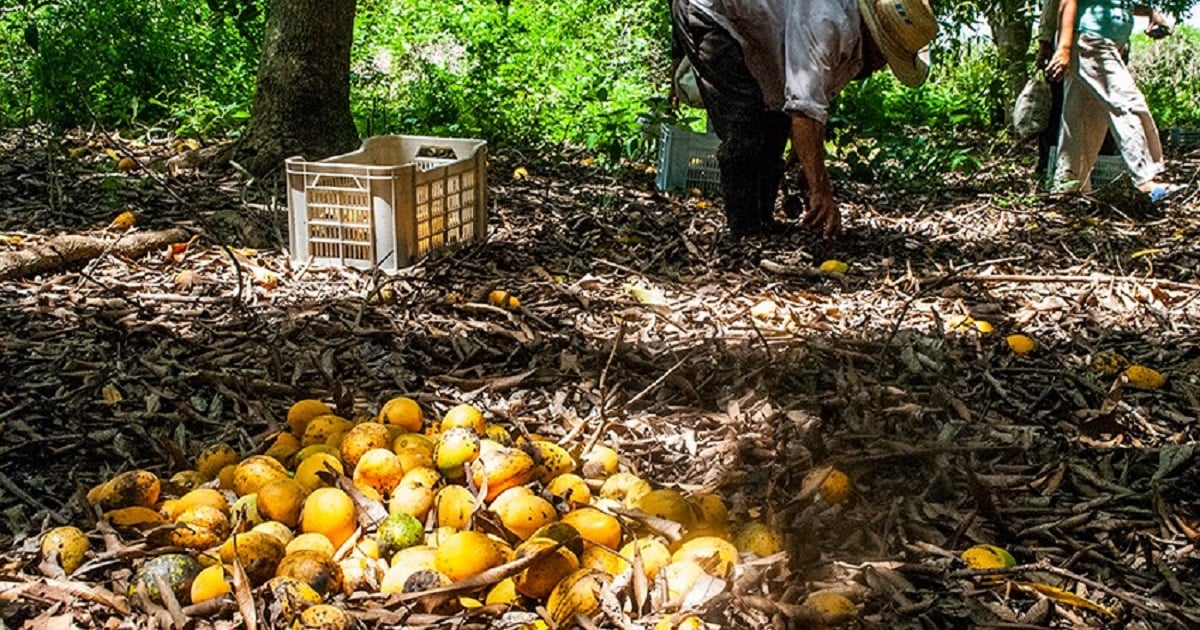
The upcoming mango harvest in the province of Granma, which runs from May to August, could turn into another campaign marked by improvisation, underutilization, and the loss of thousands of tons of fruit, acknowledged officials in the agricultural sector.
The head of the marketing department of the Provincial Delegation of Agriculture, Rogelio Solano Socarrás, reported that between 25,000 and 30,000 tons are expected to be harvested, a figure higher than last year. However, he acknowledged that during the peak of ripening - between May 15 and June 10 - the logistical capacity for storage, transportation, and processing in the province will be exceeded.
The food industry, the primary entity responsible for mango processing, has an installed capacity of only about 5,000 tons, which represents less than 20% of the estimated volume. Out of that figure, 1,000 tons of pulp are intended for the production of baby food, according to statements by Solano to the provincial newspaper La Demajagua.
According to preliminary calculations, the eastern province will require about 15,000 tons this harvest, "which includes factories, mini-industries, the network of agricultural markets, points of sale, social consumption, and tourism, to a lesser extent," the text stated.
All of this is occurring amidst a fuel crisis that affects the transportation of fruit from mountainous areas such as Bartolomé Masó, Buey Arriba, and Guisa, as well as Yara and Bayamo, which are key production hubs.
“We are in the battle to find markets and other destinations for the rest of the mango, because we don’t want it to go to waste. We are organizing the collection points, looking for its transportation with alternatives and optimal use of the limited available fuel, so that it reaches the intended destination,” said Solano, without specifying what alternatives he is referring to or how they will be implemented.
The source referred to measures for the business system that, it claimed, "evidence a greater motivation among producers and, with that, better integration to prevent the loss of raw materials."
However, there are no details regarding incentives, guaranteed payments, or access to supplies—key issues in previous campaigns that ended with tons of spoiled mango due to lack of planning.
The urgency of making the most of the harvest also includes supplying the network of commerce, gastronomy, and social centers, particularly hospitals and schools, with "affordable" prices. However, it does not specify how this will be achieved or what volumes will actually reach the population.
It is expected to keep sales points open within the facilities of the canning industry itself and to use "other avenues" of marketing that bring the product closer to the communities. The viability of these measures will once again depend on conditions that the government itself admits it does not fully control.
The inefficiencies of the production model result in thousands of tons of mango and other agricultural products rotting in the fields of the country year after year, despite the severe food shortages faced by the Cuban people.
These crops are lost due to the bureaucracy and inefficiency of the state-owned companies of the Ministry of Agriculture in the collection, distribution, and sale of agricultural products.
Even cases have emerged of several tons of mangos rotting outside canning factories, before being offered to the public.
However, authorities have attributed this situation to the fuel shortage, among other resource limitations.
This contrasts with the litany from the authorities and mass organizations of the regime about achieving food sovereignty and the demand for Cubans to harvest in their home gardens and in any available piece of land, no matter how small it may be.
Frequently Asked Questions about the Mango Harvest Crisis in Granma
What is the main problem with mango harvesting in Granma?
The main problem with mango harvesting in Granma is the lack of logistical capacity to process and distribute the fruit. A production of 25,000 to 30,000 tons is expected, but the processing capacity is less than 20% of this amount. This could lead to a significant loss of the harvest due to a lack of planning and logistical resources.
How does the fuel crisis affect the mango harvest in Granma?
The fuel crisis in Cuba complicates the transportation of fruit from hard-to-reach areas, which significantly affects the transport of mango from the main production hubs, such as Bartolomé Masó, Buey Arriba, and Guisa. Without efficient transportation, a large portion of the harvest is at risk of being lost.
What measures is the Cuban government taking to prevent the loss of mango?
The Cuban government is seeking alternative markets and destinations for mango, attempting to optimize the use of the limited available fuel and organizing collection points. However, specific alternatives and how they will be implemented have not been detailed.
What is the impact of the inefficiencies in the production model on Cuban agriculture?
The inefficiencies of the production model in Cuba lead to the loss of thousands of tons of agricultural products, such as mango, every year. The lack of planning, bureaucracy, and the ineffectiveness of state enterprises result in the rotting of products in the fields, exacerbating food scarcity in the country.
Filed under: