Russia deported the 17 Cubans who were detained in Krasnodar on March 21. The group was sent back to the Island on two flights. The last one arrived on April 27. This was confirmed to CiberCuba by one of the deportees. "Here we are, with a huge blackout and tons of mosquitoes. This is how we live now. It's May 1st, and people here don't even have power. This is criminal, but what can we do? At least we are back here," he commented to this platform.
"None of them could record a video of the deportation because 'they don't let you take out your phones. They take you handcuffed to the plane. They don't give you a chance for anything. They didn't even let us bring up the snacks we had for the kids. They told us in their language that they weren’t interested in kids or anything; that we had to throw everything away. In the end, they treat you like a dog,' he told CiberCuba."
"At least we arrived alive. That was the interesting part," he adds with irony, not without complaining that once deported, the Cuban regime washes its hands of the matter. "They didn't even manage to put us on a bus to take us to our provinces. Everyone arrived dazed just like me. Thanks to the people who worked there, who gave us 300 pesos to catch a bus because otherwise, I would have had to spend the night at that airport," he insists.
"Anyone who arrives deported to Cuba without money has to sleep in the airport. From there, they won't go anywhere else because without money, where are you going to go? If they provided a bus to take you to your province, that would be another story," emphasizes the person interviewed by CiberCuba via WhatsApp, who prefers to remain anonymous.
Upon arriving on the Island, he adds, they were not interviewed or anything. They were seated in an office and given their passport. Some were asked if they had been deported for working illegally because they still had valid tourist visas. "They were deported just because they wanted to," they answered to the Cuban official, who stated that it was the first time she had seen Russia deport Cubans with valid visas.
"Let them call Putin and ask him. If they were here legally and they are being deported, let them call those people over there and ask. They gave us the passport and sent us out to the street, as if saying: 'Now let's see how they get back to their town.'"
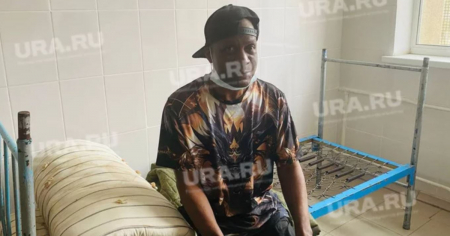
These 17 Cubans were arrested on March 21st inside a house they had rented in the Russian city of Krasnodar. They were initially taken to a police station. Once there, they were identified and later divided into two groups, being confined in two Russian deportation centers. The women were placed in one group and the men in another. A month later, they were deported to Cuba.
They had all flown from Havana to Moscow and from there took a train to Crimea with the intention of finding work, but upon arrival they were met with a harsh winter that made it impossible for them to go out looking for jobs, so they rented a place in Krasnodar.
Since December 2018, Cuban citizens can travel to Russia without a visa and stay in the country for up to 90 days within a 180-day period.
The Russian police have increased immigration checks in the area. Those deported are facing bans of between 5 and 10 years on re-entering Russia.
Filed under: