
Related videos:
For decades, vacation villas for workers were an essential tool for labor stimulation in Cuba. More than 700 houses, managed by unions and companies, were spread across the country: from Celimar to Veneciana, including Varadero, Boca de Galafre, and Punta Alegre. They were built and maintained with their own resources, without burdening the State, and provided accommodation, food, and transportation at affordable prices for the workers.
"The joy was such that during the construction of Tunazúcar, there were nearly a thousand workers on site," recalls Julio Martínez Guerra, former leader of the Sugar Workers' Union in Las Tunas, in a detailed report published by Trabajadores. It provides insight into how these facilities operated under a sustainable model, where the motivation was not only moral but also economically viable.
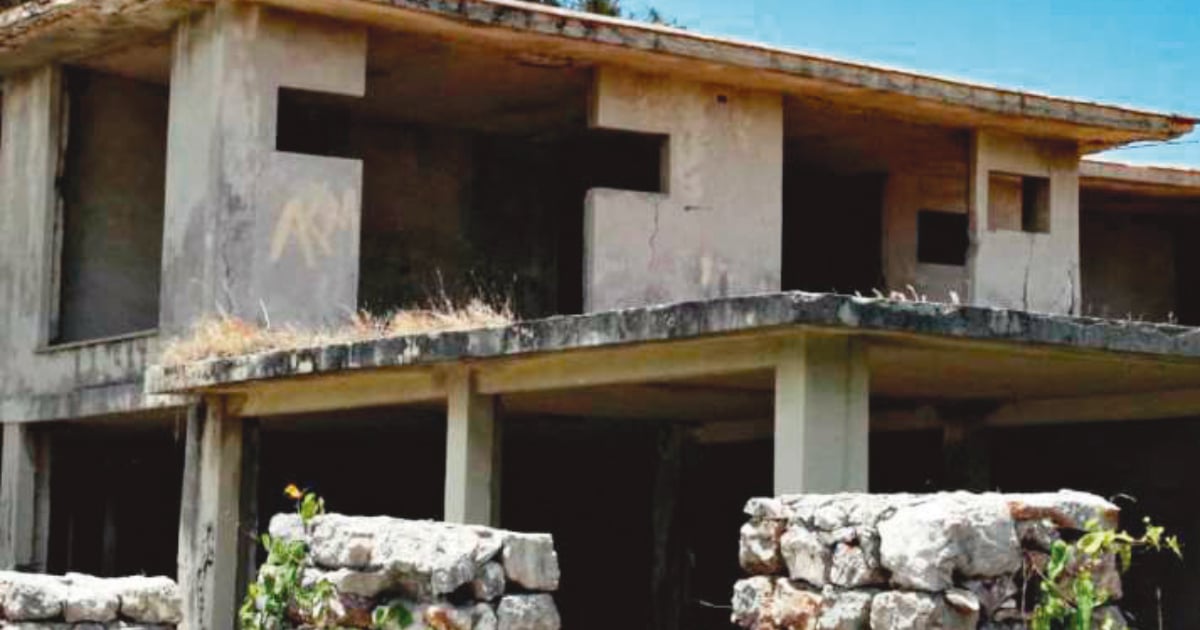
But between 2009 and 2010, the system was dismantled without consensus or consultation with the communities. Many resorts were transferred to the Islazul chain and other state entities, prices in CUC (which was then in effect) were imposed, and access was limited to those who could afford it. Some were demolished, others were abandoned after the pandemic, and many ended up vandalized. "We handed over a luxury resort without receiving any compensation," denounced a union leader from the Siguaney central.
In a second note from the same official media, titled The Bus: Can We Return to Vacation Plans?, comments from readers were published openly questioning the disappearance of the program. “The transfer was a mistake,” one reader stated. Another reader noted that “workers were deprived of a well-deserved benefit, for nothing, just to abandon it.”
The case of the villas is not isolated. It is part of a pattern of deterioration that affects public and heritage spaces throughout Cuba. The National Aquarium in Havana shows walls covered in mold, rusted railings, and a shortage of marine species. “Everything seemed to be left to its fate,” said the young woman who recorded the viral video that reignited the outrage.
The Chinese Cemetery, declared a National Monument, displays open graves, outdoor ossuaries, and uncontrolled vegetation that threatens to erase part of Cuba's migratory history. In Centro Habana, Almacenes Ultra, an icon of Havana's commerce, is flooded with sewage and closed due to unsanitary conditions.
In the recreational sphere, the Lenin Park is falling apart, after decades of unfulfilled promises. The children's park in Parque Maceo, the Camagüey stadium, the Sports City, and the Versalles railway bridge in Matanzas reflect the same neglect: corroded structures, theft, litter, and closures due to lack of maintenance.
The disappearance of the workers' villages not only represents the loss of a physical space but also of a system that dignified effort. Today, in ruins or repurposed, they add to an ever-growing list of places that were once a source of collective pride and now highlight the deep deterioration of infrastructure and public management in Cuba.
Frequently Asked Questions about the Abandonment of Workers' Villas in Cuba
Why did the workers' villas disappear in Cuba?
The villas for workers disappeared due to unilateral decisions made by the Cuban government that included transferring these facilities to state entities such as the Islazul chain, imposing prices in CUC, and their subsequent abandonment. This change, made without prior consultation with the workers' groups, limited workers' access to these spaces.
What was the impact of the dismantling of the villas on Cuban workers?
The dismantling of the vacation villas for workers represented a significant loss of a system that honored labor efforts. In addition to losing a physical space for recreation and rest, workers also lost an economic and moral incentive, which has generated discontent and questions regarding government management in Cuba.
How does the abandonment of the villas affect tourism in Cuba?
The abandonment of the villas contributes to the overall deterioration of the tourist infrastructure in Cuba. This phenomenon adds to the collapse of tourism on the island, which faces serious problems such as lack of maintenance in hotels, food shortages, and frequent blackouts, negatively impacting the experience of tourists and reducing Cuba's competitiveness as a tourist destination in the Caribbean.
What is the connection between the disappearance of the villas and the housing crisis in Cuba?
The disappearance of workers' villas is part of a broader issue of deteriorating infrastructure and poor public management in Cuba. While the government prioritizes investment in the tourism sector, the housing deficit continues to grow, with a housing plan that is not being fulfilled and thousands of Cubans living in precarious conditions. This reflects a lack of focus on addressing the critical needs of the population.
Filed under: