
Related videos:
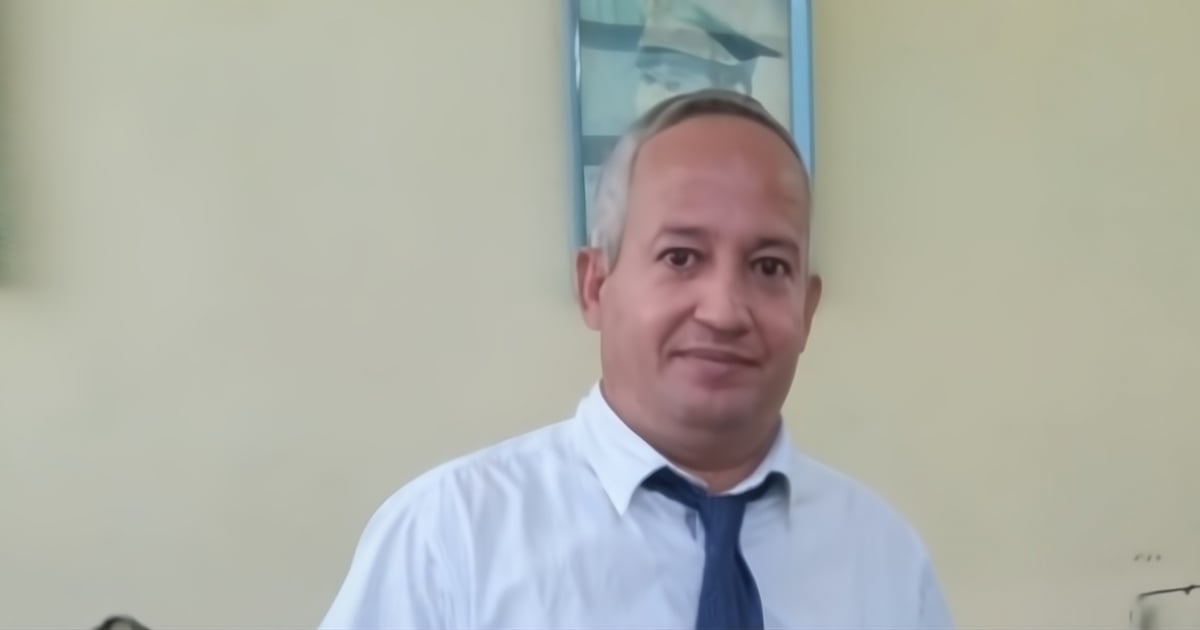
The former Cuban judge Amalio Alfaro Matos, identified for signing sentences against political prisoners in Guantánamo, currently lives in Tampa, Florida, and has applied for the Cuban Adjustment Act to obtain permanent residency in the United States.
Alfaro Matos was the president of the Criminal Chamber of the Provincial Popular Court of Guantánamo. He arrived in U.S. territory two years ago with a humanitarian parole, a legal pathway designed by the Biden Administration to facilitate the entry of Cuban citizens with sponsors.
"He arrived in the United States on April 12, 2023, through the humanitarian parole program, and has applied to benefit from the Cuban Adjustment Act to obtain permanent residency. He is concerned because he has not even received a work permit," a source informed Martí Noticias.
The presence of Alfaro Matos in Tampa has sparked outrage among victims of the regime residing in Florida. Several individuals report that this Cuban acted as a repressor within the judicial system.
The independent journalist Roberto de Jesús Quiñones Haces, sentenced in 2019 for alleged "resistance" and "disobedience" while covering the trial of two evangelical pastors, claims that Alfaro was directly responsible for his imprisonment.
“Denied me shelter and never allowed an appeal. He was a key figure in judicial repression,” Quiñones stated, and he is not the only one speaking out.
The organization Prisoners Defenders documented Alfaro Matos' role in the sentencing of the activist Éider Frómeta Allen, leader of the #YoVotoNo campaign, who is still imprisoned under critical conditions in Cuba.
The former judge was involved in "fabricated political processes" in the eastern part of the country against activists and opponents, but now he lives peacefully in the United States.
The controversy has escalated to a political level
In a recent hearing in the U.S. Congress, Representative Carlos Giménez questioned the Secretary of Homeland Security about the entry of Cuban repressors through humanitarian parole.
The official acknowledged that immigration programs "have been perverted" and promised measures to restore their integrity.
Giménez issued a warning to other former officials of the regime living in the United States, stating that they will not find peace in the country.
Despite the allegations, Alfaro Matos has not publicly responded to the accusations, but all indications suggest that he has not yet received his work permit and his status in the United States may be at risk.
The case has reignited the debate over the presence of former prosecutors, judges, and agents of the Cuban regime in the United States, many of whom have managed to enter legally. “It is an affront to those who remain imprisoned or exiled for thinking differently,” lamented Quiñones.
Frequently Asked Questions about the Residency Application of Former Cuban Judges in the U.S.
Who is Amalio Alfaro Matos and why does his presence in the U.S. generate controversy?
Amalio Alfaro Matos is a former Cuban judge accused of repressing opponents by signing unjust sentences against political prisoners in Guantánamo. His presence in Tampa, Florida, has sparked outrage among the Cuban exile community, as he is identified as part of the repressive apparatus of the Cuban regime.
What is humanitarian parole and how has it benefited repressors of the Cuban regime?
The humanitarian parole is a migratory program that allows temporary entry to the U.S. for individuals who do not meet the usual requirements for obtaining a visa. In the case of some Cubans, this program has been used by former officials of the regime to enter the country, which has led to criticisms and complaints within the exiled community.
What measures is the U.S. government taking to prevent the entry of Cuban repressors?
The U.S. government, under pressure from Cuban-American congress members, has begun to take stricter measures to prevent regime repressors from establishing themselves in the country. This includes reviewing immigration programs such as humanitarian parole and the Cuban Adjustment Act, as well as creating platforms to report these individuals.
What is the Cuban Adjustment Act and how does it affect Cubans in the U.S.?
The Cuban Adjustment Act allows Cuban citizens who have been in the U.S. for at least one year to obtain permanent residency. However, its application has been called into question when it comes to individuals linked to the Cuban regime, as there is a desire to prevent them from benefiting from this migratory privilege.
What actions can citizens take to report Cuban repressors in the U.S.?
Citizens can report Cuban repressors through specific platforms such as RepresoresCubanos.com, created to gather information about individuals linked to the repressive apparatus of the Cuban regime who reside in the U.S. These reports help authorities take legal action against them.
Filed under: