
Related videos:
Four of the most aggressive invasive species in Latin America are already present in Cuba: the lionfish, African tilapia, giant African snail, and paiche.
According to a report from the agency EFE, the spread of exotic species threatens regional biodiversity and impacts public health and food security.
According to the report, prepared based on research by biologists and international organizations such as the UN and the IUCN, these species have caused significant damage to ecosystems in several countries across the continent, and their presence in Cuba confirms the expansion of the problem in the Caribbean.
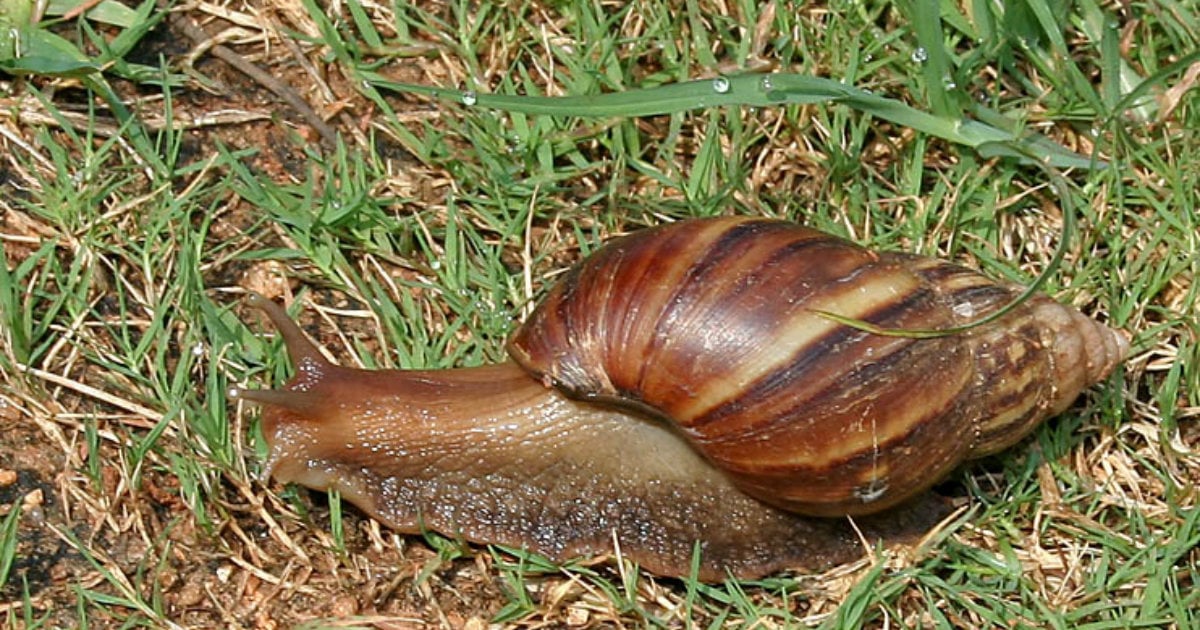
The giant African snail (Achatina fulica), regarded as one of the 100 most dangerous species in the world, has been detected in provinces such as Las Tunas, Havana, Villa Clara, and Holguín.
In addition to its impact on crops, it carries parasites that can cause serious diseases such as eosinophilic meningitis.
A type of tilapia, originally introduced for aquaculture purposes, has been promoted in Cuba as an alternative source of protein.
It has been raised both in state facilities and in private projects, such as those by two Havana lawyers who cultivate them in ponds.
However, in the wild, its high reproductive capacity and resilience make it a threat to native species in rivers and lagoons.
The lionfish, native to the Indo-Pacific, has colonized the Caribbean and is also present in Cuban waters.
Its venom drives away natural predators and disrupts the balance of reefs and local marine populations.
Scientists on the island have documented its expansion and are warning about its impact on artisanal fishing and biodiversity.
The fourth case is the paiche or arapaima, one of the largest freshwater fish in the world. Introduced in South America and found in eastern areas of Cuba, it is farmed for its nutritional value, but it poses a risk if it establishes itself uncontrolled.
It can reach up to 4 meters and 200 kilos, and displace other native species due to its predatory nature.
Despite this evidence, Cuba does not have an effective national system for the control, monitoring, or eradication of invasive alien species.
The institutional responses have been partial, focused on specific campaigns, without a comprehensive public strategy.
Frequently Asked Questions about Invasive Species in Cuba
What are the most harmful invasive species present in Cuba?
Four of the most aggressive invasive species in Latin America are present in Cuba: the lionfish, the African tilapia, the giant African snail, and the paiche. These species pose a significant threat to biodiversity and food security on the island.
What is the impact of the giant African snail in Cuba?
The giant African snail is considered one of the 100 most dangerous species in the world. In Cuba, it has been detected in several provinces and is known for its impact on crops and its ability to carry parasites that can cause serious diseases such as eosinophilic meningitis.
How does the lionfish affect Cuban marine ecosystems?
The lionfish, native to the Indo-Pacific, has colonized the Caribbean and is present in Cuban waters. Its venom deters natural predators and disrupts the balance of reefs and local marine populations, negatively impacting artisanal fishing and biodiversity.
Why is African tilapia considered a threat in Cuba?
The African tilapia was introduced in Cuba for aquaculture purposes, but its high reproductive capacity and resilience make it a threat. In the wild, it competes with native species in rivers and lakes, impacting local biodiversity.
What measures has Cuba taken to control invasive species?
Cuba lacks an effective national system for the control, monitoring, or eradication of invasive exotic species. The responses have been partial and focused on specific campaigns, without a comprehensive public strategy that effectively addresses the problem.
Filed under: