
Related videos:
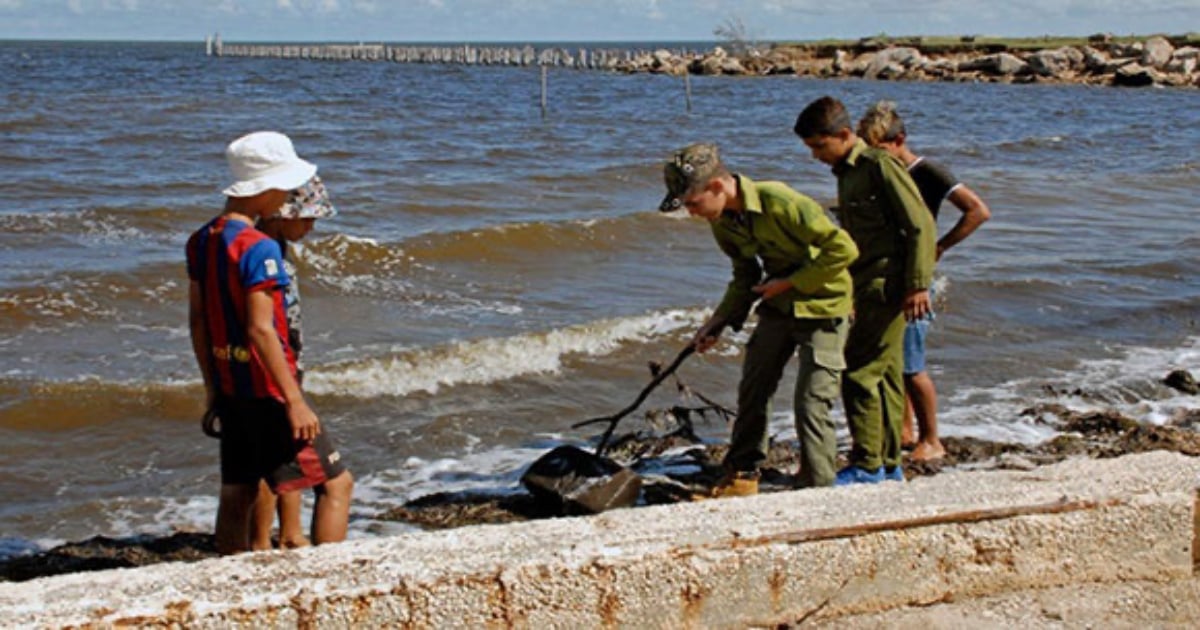
The Ministry of the Interior (MININT) in the province of Granma reported the expansion of the restricted zone along the southern coast of the municipalities of Pilón and Niquero, due to the increase in drug wash-ups and the presence of individuals illegally accessing the area to seize the narcotics and subsequently sell them.
According to a note published this Tuesday by the local media CNC TV Granma, the decision is made in accordance with Agreement No. 24/2025 of the Provincial Government Council and prohibits access for natural or legal persons from Ensenada del Toro to Ensenada La Campana, including one nautical mile out to sea.
The established reference points as boundaries of the area are: Pesquero Alto, Punta Mono, Punta Morlote, Bajada de Samuel, Jagüey Caído (Camino Abajo del Uno), Cueva Paco Pérez, up to Cueva Las Bajas, Camino de Todo el Día, all the way to ETECSA in Cabo Cruz.
The measure responds to the persistence of citizens who seek drugs along the coast after drops, enter the sea, and then engage in their illegal trafficking.
The MININT warned that individuals found within the perimeter without authorization would be in violation of the provisions set forth in Resolution 135 of 2024, approved by the Ministry of Revolutionary Armed Forces.
The phenomenon of drug wash-ups on the Cuban coasts, especially in the eastern region, is not new and has historically led to seizure operations and restrictive measures by the authorities.
In the southern coastline of Granma and other areas in the eastern part of the country, multiple events related to the collection of illegal substances by the local population have been reported, such as when Cubans collected a ton of drugs that washed up on several shores, an incident that highlighted the magnitude of the problem and the civic involvement in its collection.
The authorities have also faced the proliferation of means of transportation associated with these illegal activities. For example, the Ministry of the Interior confiscated five abandoned vessels under suspicious circumstances, while another operation resulted in the seizure of six more vessels on the eastern coasts, reinforcing the idea that irregular maritime trafficking linked to drugs has persisted over time.
In eastern Cuba, large quantities of narcotics have also been confiscated, as occurred when law enforcement seized two tons of marijuana in the east of the country, in an operation that highlighted the seriousness of maritime drug trafficking and the increasing interest of illegal networks in using those coastal routes.
Frequently Asked Questions about the Expansion of the Restricted Area in Pilón and Niquero Due to Drug Wash-ups
Why was the restricted area expanded on the southern coast of Granma?
The expansion of the restricted area along the southern coastline of the municipalities of Pilón and Niquero is due to the increase in drug washing ashore and the presence of individuals who illegally access these areas to appropriate and trade the narcotics. This measure is part of Agreement No. 24/2025 of the Provincial Government Council and aims to control access to the areas from the Ensenada del Toro to the Ensenada La Campana.
What consequences do individuals face for violating the restricted zone in Pilón and Niquero?
Individuals found within the perimeter without authorization would be violating Resolution 135 of 2024, approved by the Ministry of the Revolutionary Armed Forces. This could lead to severe legal sanctions due to involvement in illegal activities related to drug trafficking.
How does the social and economic crisis affect the increase of drug trafficking in Cuba?
The social and economic crisis in Cuba contributes to the growth of the illegal drug market on the island. Despite operations and official propaganda, drug trafficking continues to rise, reflecting the desperation of a portion of the population seeking economic alternatives in illicit activities.
What measures is the Cuban government taking to combat drug trafficking?
The Cuban government has intensified its operations against drug trafficking, implementing a "zero tolerance" policy. Additionally, it has launched the National Drug Observatory to monitor the phenomenon and aims to strengthen international cooperation in the fight against drug trafficking, although internal gaps continue to facilitate the circulation of drugs.
Filed under: