
Related videos:
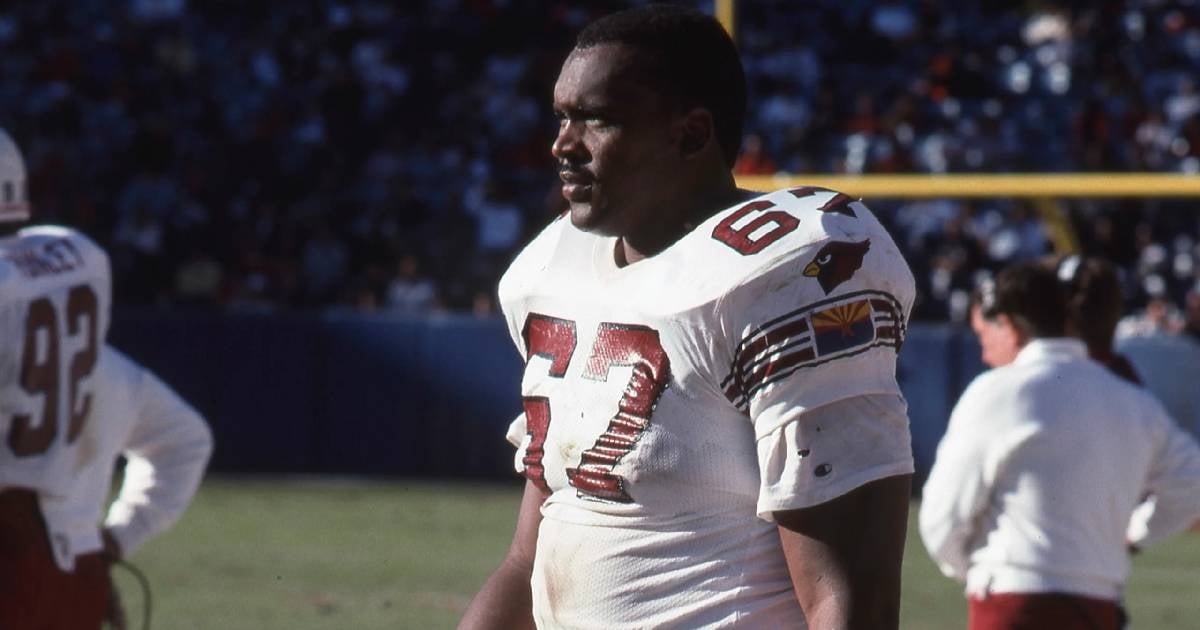
The Cuban Luis Sharpe, legendary tackle of the Arizona Cardinals, passed away last Friday at the age of 65, as confirmed by the franchise on the social media platform X.
Sharpe, born in Havana in 1960, was selected in the first round of the NFL Draft in 1982 and became a cornerstone of the Cardinals for 13 seasons.
He played 189 games as a starter, achieved three consecutive Pro Bowls (1987-1989), and was a two-time second-team All-Pro, earning his place among the team's icons, especially after the franchise's move from St. Louis to Arizona.
A life of struggle and redemption
After retiring in 1994, Sharpe faced years of addiction, prison, and homelessness, until he managed to recover and rebuild his life in Detroit, where he spent his later years helping others in rehabilitation clinics and as a consultant for former players.
His testimony of resilience inspired many: Sharpe passes away not just as a giant on the field, but also as a symbol of human perseverance.
The Cuban legacy in the NFL: A story deeper than many imagine
Luis Sharpe was one of the most prominent figures among players of Cuban descent in the NFL, but not the only one. The relationship between Cuba and American football has deeper roots than it might seem at first glance.
According to Diario de Cuba, the first Latino to play in the NFL was Ignacio “Lou” Molinet, born in Cuba in 1904, who played a season in 1927 with the Frankford Yellowjackets. Molinet is a member of the Cornell University Sports Hall of Fame and is listed in the NFL Hall of Fame.
They were followed by names such as Joseph Lamas (Steelers, 1942), Ralph Ortega (Falcons and Dolphins), and Luis Sharpe himself with the Cardinals. Additionally, there are numerous players of Cuban descent who have made their mark, including Joaquin González, Buck Ortega, Anthony González, Javier Arenas, Shiloh Keo, Kiko Alonso, Eddy Piñeiro, Julian Love, Nik Bonitto, and Chris Olave, among others who have excelled in various positions and eras.
Even figures outside the field, such as Alberto Riverón, the first Latino to serve as a head referee in the NFL, and singer Gloria Estefan, the first Latina to perform at a Super Bowl, have brought visibility to the Cuban legacy in this sport.
A community with history and future
The death of Sharpe is an occasion to remember not only a great player but also the historical contribution of the Cuban community to the most popular sport in the United States. From college fields to NFL stadiums, the children of the island have known how to carve their path with talent, sacrifice, and pride.
Sharpe, who achieved sporting glory and later reinvented himself as a mentor for others, leaves a void in the NFL, but also an enduring example for those striving to rebuild their lives.
Frequently Asked Questions about Luis Sharpe and the Cuban Legacy in the NFL
Who was Luis Sharpe and what was his impact on the NFL?
Luis Sharpe was a legendary Cuban tackle for the Arizona Cardinals, selected in the first round of the NFL Draft in 1982. His impact on the league was significant, as he played 13 seasons, participated in 189 games as a starter, and was selected to the Pro Bowl three times. Additionally, he became a symbol of personal triumph, overcoming years of addiction and incarceration to become a mentor and an example of resilience.
What is the legacy of Cuban players in the NFL?
The legacy of Cuban players in the NFL is deeper than one might think. Ignacio “Lou” Molinet was the first Latino to play in the NFL in 1927. Since then, other players of Cuban descent, such as Joseph Lamas, Ralph Ortega, and Luis Sharpe, have made their mark on the league. Additionally, players of Cuban heritage like Joaquin González and Kiko Alonso have excelled in various positions, showcasing the talent and dedication of the Cuban community in American football.
How did the Cuban context influence Luis Sharpe's life?
The Cuban context significantly influenced the life of Luis Sharpe as part of a community that has faced many adversities. His story of personal triumph, after battling addiction and imprisonment, reflects the spirit of resilience that characterizes many Cubans who have emigrated in search of a better future. His life is not only a testament to athletic success but also to the ability to overcome personal and social obstacles.
What role did Luis Sharpe play after retiring from the NFL?
After retiring from the NFL in 1994, Luis Sharpe dedicated his life to helping others in their recovery process. After overcoming his own personal challenges, he settled in Detroit, where he worked in rehabilitation clinics and as an advisor for former players. His post-retirement work established him as a symbol of personal triumph, inspiring many to move forward despite difficulties.
Filed under: