
Related videos:
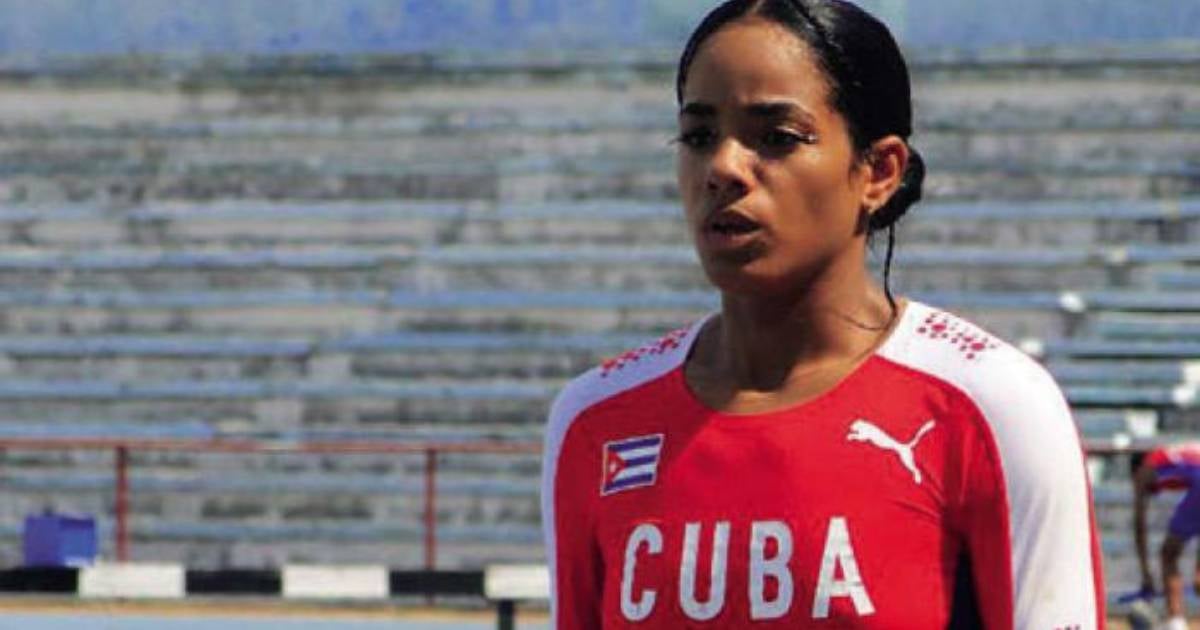
The young long jumper Hayla González, just 21 years old, recently left the Cuban athletics team training camp in Spain, according to specialized media such as Deporcuba and Swing Completo.
Although there is no official confirmation yet from the Cuban National Institute of Sports, Physical Education and Recreation (INDER) or the Cuban Athletics Federation, her departure suggests that she will not participate in the Junior Pan American Games in Asunción, nor in the women's 4x100 m relay, where she was expected to be a starter.
Hayla, born in October 2003, was establishing herself as one of the most promising athletes in Cuban track and field.
His progression was meteoric. In June 2024, he achieved a personal best of 6.85 meters, just one centimeter shy of the Olympic ticket for the Games in Paris. That centimeter, cruel and unattainable, cut short his Olympic dream, but did not extinguish his desire to soar beyond the limits imposed by Cuban sports authorities.
In addition to her performance in long jump, which placed her 73rd in the world rankings, Hayla also excelled as part of the 4x100 relay team, with a time of 45.76 seconds achieved in Havana in June 2025.
Her personal story is not an isolated incident. So far this year, at least a dozen high-performance athletes have left Cuban delegations abroad during competitive events or training sessions.
It is a silent bleed affecting everyone from judokas to baseball players, including boxers, gymnasts, and runners, who are weary of a system that often restricts their athletic and personal ambitions.
González, bronze medalist at the NACAC U23 Championships and three-time national champion, was initially overlooked by the technical committee despite her performance in international events.
It was only after a series of outstanding performances that he officially joined the national team.
Frequently Asked Questions about the Desertion of Cuban Athletes and the Case of Hayla González
Why did Hayla González decide to leave the Cuban delegation in Spain?
Hayla González, a promising Cuban athlete, left the delegation due to restrictions imposed by Cuban sports authorities that limited her athletic and personal ambitions. Her departure is part of a growing trend of defections among Cuban athletes who seek better opportunities abroad, weary of a system that does not allow them to fully develop.
How does the constant defection of its athletes affect Cuban sports?
The continuous desertion of athletes creates a drain of talent that weakens the performance of Cuban delegations in international competitions. Moreover, it forces the constant renewal of teams with young and inexperienced athletes, which limits the chances of success in high-level sports events.
What are the main reasons behind the exodus of Cuban athletes?
The main reasons are the pursuit of freedom, better economic conditions, and professional opportunities that they cannot find in Cuba. Athletes often face significant restrictions in their careers, pushing them to leave the island in search of a more promising future in other countries.
What other recent defections have marked Cuban sports?
In addition to Hayla González, other recent defections include Marys Patterson, a heptathlete who left the delegation in Europe, and several wrestlers and handball players who have abandoned their teams in Mexico. These departures reflect a consistent and growing trend of Cuban athletes choosing to leave the island in search of new opportunities.
Filed under: