
Related videos:
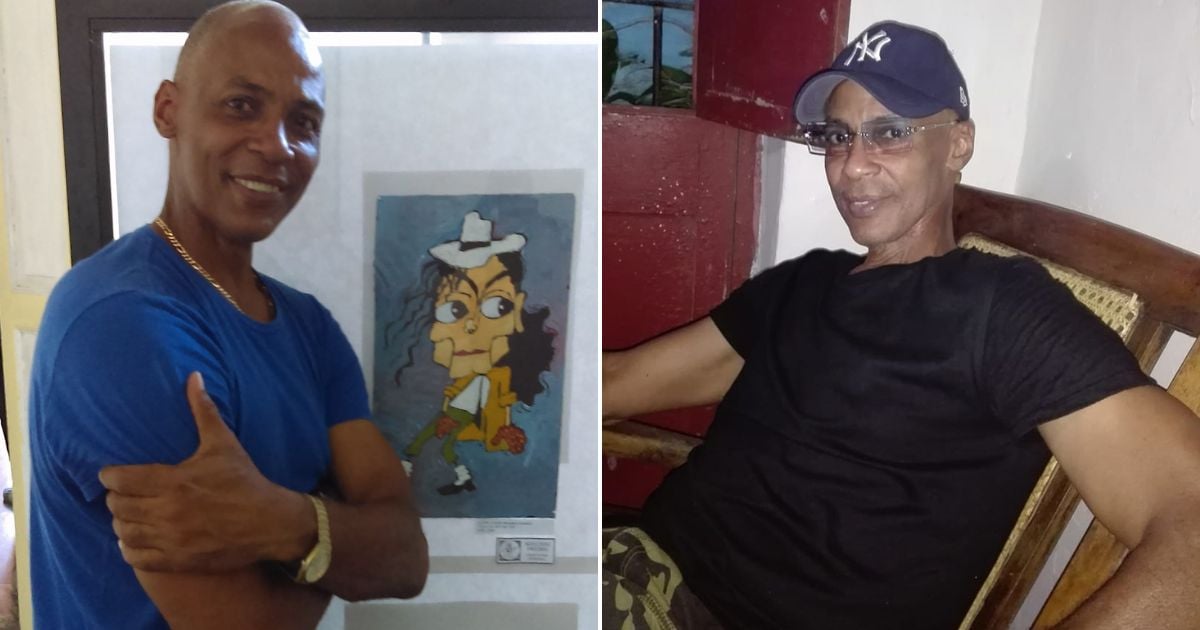
The official Cuban press mourns the death of the cartoonist Humberto Lázaro Miranda Ramírez (LAZ), who passed away at the age of 64 and worked for decades as an illustrator for the official newspaper Juventud Rebelde.
The news was reported by the state media Cubadebate, which highlighted his talent for portraying "the Cuban reality from a folkloric perspective."
From a young age, he became involved in the world of drawing and began collaborating with the weekly publication Pionero during his adolescence.
Graduated in Visual Arts and a member of the humorist collective Dedeté, LAZ has worked as a lettering artist, comic book creator, illustrator, and caricaturist.
His work encompassed genres such as general graphic humor, political satire, and personal caricature, according to the cited official portal.
Throughout his career, he participated in over a hundred group and solo exhibitions. He received nearly a hundred national awards and around twenty international recognitions.
His work was recognized outside of Cuba, with participation in events and workshops held in countries such as Italy, Greece, Mexico, Colombia, and the United States.
On social media, colleagues and close individuals deeply mourned the death of LAZ, remembering not only his talent as a cartoonist but also his kindness as a person.
The journalist Francisnet Díaz Rondón wrote: “My friend LAZ has passed away, a gentleman caricaturist, a friend among friends, an industrialist to the core, a master of humor. I am deeply saddened; it's an enormous loss.”
Díaz shared personal anecdotes about the artist and highlighted his humility, perseverance, and the close bond he maintained with friends and colleagues: “The black LAZ was a fighter from a young age (...) he had a lot to express through his drawings. He believed he was unlucky, and he fought against that; he never sat back with his arms crossed.”
The journalist Bolivia Tamara Cruz Martínez expressed her condolences on behalf of her colleagues from Palante and Juventud Rebelde, wishing her “light on her journey to eternity.”
By contrast, the cartoonist César Carrizo evoked shared moments with LAZ in the Latin American context of graphic humor and recalled his words full of irony and sensitivity: “The street is tough, my brother; even white people are being asked for documents.”
The passing of Humberto Lázaro Miranda (LAZ) adds to a series of significant losses for the cultural and social landscape of Cuba.
Recently, Aris Teresa Bruzos passed away, the actress who brought the iconic character Evarista to life in Cuban cinema, beloved by generations who grew up with her humor and tenderness.
Another notable figure who passed away was the guitarist Benito “Beny” Suárez, whose career in Cuban popular music was recognized for his virtuosity and dedication to the guitar as a central instrument of national identity.
The academic and scientific community is also in mourning following the death of Professor Mercedes Lina Cathcart, a respected voice in the pedagogical training of several generations of Cubans and a symbol of teaching that is committed to public education.
Likewise, public health bid farewell to former minister Julio Teja Pérez, a key figure in the development of the national healthcare system for decades, whose work was characterized by the structural challenges faced by the sector on the island.
Frequently Asked Questions about Humberto Lázaro Miranda (LAZ), Cuban Cartoonist
Who was Humberto Lázaro Miranda (LAZ) and what was his contribution to Cuban journalism?
Humberto Lázaro Miranda, known as LAZ, was a prominent Cuban caricaturist who worked for decades at the official newspaper Juventud Rebelde. His work was characterized by a traditionalist approach to Cuban reality, encompassing genres such as graphic humor, political satire, and personal caricature. Throughout his career, he participated in over a hundred exhibitions and received multiple national and international awards.
What was LAZ's artistic career like and what achievements did he reach?
LAZ began his artistic career at a young age, collaborating with the weekly magazine Pionero and training in Visual Arts. He was a member of the humorous collective Dedeté and worked as a lettering artist, cartoonist, illustrator, and caricaturist. Throughout his career, he participated in numerous exhibitions, earning nearly one hundred national awards and about twenty international recognitions, reflecting his significant impact in the field of graphic humor.
What topics did LAZ address in his cartoons and what was his style like?
LAZ addressed themes of Cuban reality with a customary style, focusing on graphic humor, political satire, and personal caricature. His work was distinguished by his ability to capture the essence of daily Cuban life and reflect it with irony and sensitivity, allowing him to connect with a broad audience both inside and outside of Cuba.
What was the reaction of his colleagues and friends to LAZ's death?
The death of LAZ was deeply mourned by his colleagues and friends, who highlighted not only his talent as a cartoonist but also his human qualities. Francisnet Díaz Rondón and Bolivia Tamara Cruz Martínez expressed their condolences, recalling his humility, perseverance, and the strong bond he maintained with his friends and colleagues. His legacy will endure in the field of graphic humor and in the memory of those who had the privilege of knowing him.
Filed under: