
Related videos:
Amid a deep liquidity shortage and growing economic tensions, the Cuban government assured that the advance payments of pensions starting from August 20 will not affect other banking operations, such as payments to agricultural producers.
However, this statement reveals a troubling reality, exposing the silent struggle among vulnerable sectors for access to cash.
During the recent press conference about the partial increase in pensions, the securities issuing director of the Central Bank of Cuba, Julio Pérez Álvarez, stated that “this cash will not compete with other activities in the banking system (such as payroll or payments to the agricultural sector).”
The statement, rather than providing reassurance, suggests that the lack of physical cash in the branches is so severe that there is a need to clarify priorities.
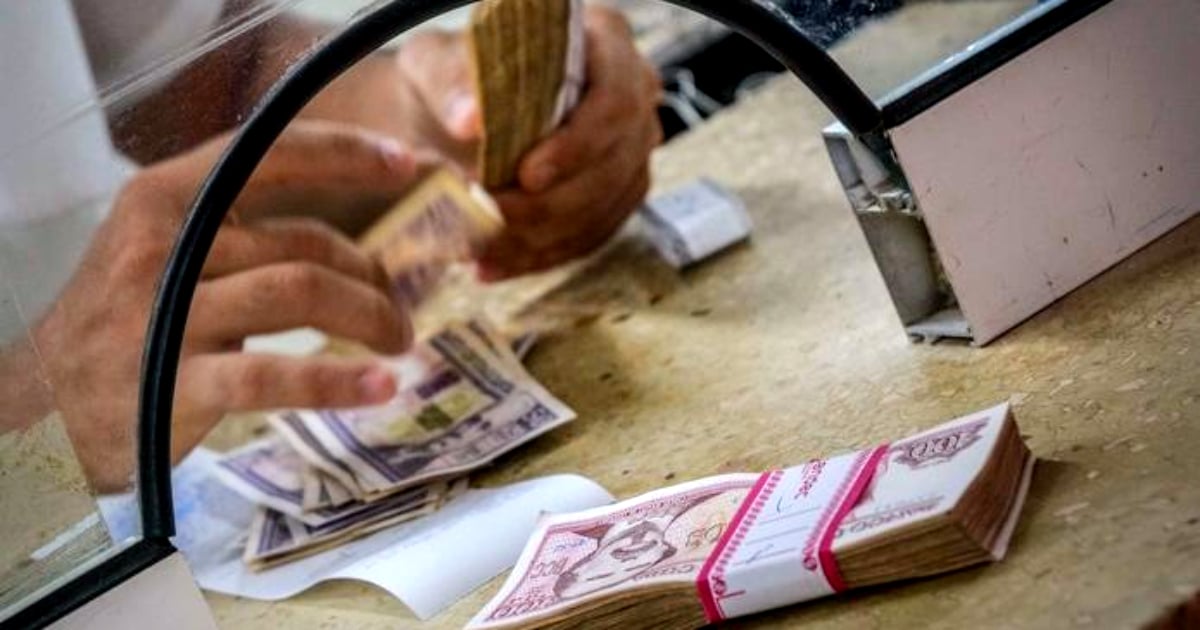
In practice, both the more than 1.5 million pensioners and the farmers who sell their products to the State depend on the banking system to receive their payments. The endless lines, withdrawal limits, and lack of cash in many provinces have turned the simple act of cashing in into a daily odyssey.
The recent announcement of a 1,528 peso increase in the lowest pensions, which entails an annual expense of 25 billion pesos, adds pressure to a collapsed banking system.
The increase will take effect on September 1, 2025, and will also apply to payments made in August. However, these new pensions raise a key question: can it be ensured that all sectors receive their money without delays or conflicts?
Frequently, farmers have reported delays by banks in their payments, as well as obstacles to withdrawing the cash they are owed. Now, with the new payment schedule for retirees, the risk of escalating tensions is real.
The government insists that this measure is part of its commitment to social justice, but in a country where access to cash has become a privilege, the mere promise that "there will be no competition" sounds empty to many.
Frequently Asked Questions about Cash Shortages and Pension Increases in Cuba
How does the cash shortage affect pensioners and farmers in Cuba?
The cash shortage in Cuba has created competition between pensioners and farmers to access cash, complicating the daily lives of these vulnerable groups. Despite the government's promises that the advance payment of pensions will not affect other banking operations, the lack of physical money in the branches remains a persistent issue.
Does the increase in pensions in Cuba guarantee a dignified life for retirees?
The increase in pensions in Cuba, while boosting the income of retirees, does not ensure a dignified life due to high inflation and the elevated cost of essential goods. Basic products on the island are priced significantly above the minimum pensions, forcing many retirees to rely on remittances from abroad.
What measures has the Cuban government taken to address the economic and social crisis?
The Cuban government has announced an increase in pensions and is considering a rise in the state minimum wage. However, these measures have been criticized for being insufficient to alleviate the severe economic crisis the country is facing. Furthermore, the government has prioritized benefits for sectors such as the military, which has generated discontent among the civilian population.
What challenges does the Cuban banking system face amid the cash crisis?
The Cuban banking system faces endless lines, withdrawal limits, and a lack of cash, complicating access to cash for retirees and farmers. This situation has led many retirees to sleep in the streets to secure their place in the bank queues, reflecting a collapse in the system of care for the elderly and a profound cash crisis.
Filed under: