
Related videos:
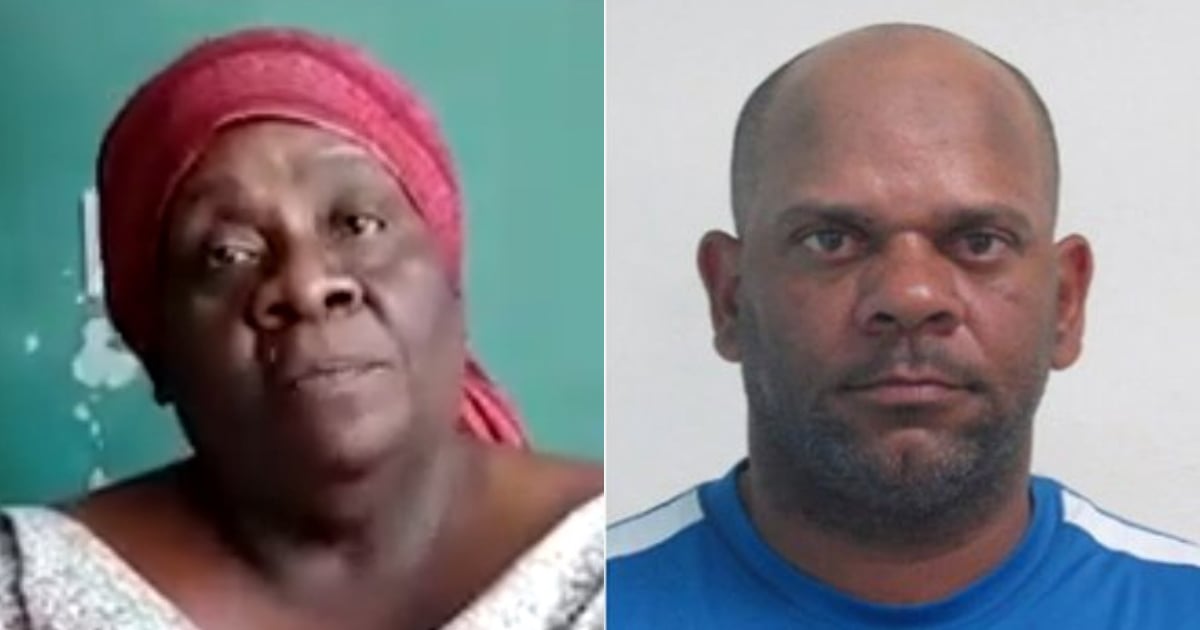
In another act of cruelty and blatant disrespect for human rights, the Cuban regime prevented the political prisoner Panter Rodríguez Baró, a member of the Clandestinos movement imprisoned in Santiago de Cuba, from attending his mother's funeral in Havana, the family reported.
Esther Baró Carrillo, 70 years old, passed away this Monday in the Cuban capital due to respiratory failure, confirmed her daughter Yaquelín Baró to Martí Noticias.
Baró revealed that an officer from the National Prison Directorate informed them that Rodríguez would not be transferred from the Boniato prison in the eastern province to the funeral home in Havana where they would hold a wake for his mother, despite the fact that the law grants inmates the right to say goodbye to deceased relatives.
"We arranged for him to be brought to his mother's funeral, but we were told that he could not be transferred from Santiago de Cuba to here and that the only thing they could do was make a call," Baró stated to the press.
Rodríguez was sentenced to 15 years in prison -a sentence he has been serving since January 2021- for his involvement in the actions carried out by the group Clandestinos in Havana in early 2020, which included throwing pig's blood on busts of José Martí and billboards featuring the image of the late dictator Fidel Castro, painting slogans against the regime on walls, and posting messages on social media in favor of political change in the country.
For these acts, Yoel Prieto Tamayo (9 years) and Jorge Ernesto Pérez García (1 year) were also sentenced to prison, accused of the alleged crimes of "defamation of institutions and organizations and of heroes and martyrs, of a continued nature, and damage to cultural heritage property."
Rodríguez, who was serving his sentence at the Combinado del Este prison in Havana, was transferred last June to the Boniato prison, nearly 900 kilometers away from his family. His mother then reported that this measure was imposed on him as punishment for "refusing to comply with the roll call and not paying honors to prison officials."
Baró suffered from illnesses that limited his mobility; however, he never stopped denouncing the abuses by the officials of the Ministry of the Interior against his son and demanded better conditions for him from the Provincial Prosecutor's Office and the Prison Directorate, emphasized Martí Noticias.
This is not the first time the Cuban regime has prevented a political prisoner from saying goodbye to a close family member, violating their rights and punishing their loved ones as well.
In May, the 84-year-old Zoila Esther Chávez, mother of political prisoner José Gabriel Barrenechea, passed away without being able to say a final goodbye to her only son, after authorities prevented him from visiting her in her last moments.
Frequently Asked Questions about the Repression of the Cuban Regime and Political Prisoners
Why does the Cuban regime prevent political prisoners from attending the funerals of their relatives?
The Cuban regime uses the prohibition of attending funerals as a measure of control and political punishment, depriving political prisoners of the basic human right to say goodbye to their loved ones, which reflects institutionalized dehumanization and the use of repression as a tool of power.
Who is Panter Rodríguez Baró and why is he incarcerated in Cuba?
Panter Rodríguez Baró is a Cuban political prisoner, a member of the Clandestinos movement, sentenced to 15 years in prison for participating in protest actions against the Cuban regime. These actions included throwing pig's blood on busts of José Martí and painting critical phrases against the regime in Havana in 2020.
What rights do political prisoners in Cuba have regarding saying goodbye to deceased relatives?
The Cuban law grants prisoners the right to say goodbye to deceased family members, but in practice, the Cuban regime often violates this right, especially in the case of political prisoners, as a form of additional punishment and control over them and their families.
How does the repression of the Cuban regime affect the families of political prisoners?
The repression of the Cuban regime not only affects political prisoners but also their families, who endure the pain of forced separation, the impossibility of saying farewell to their loved ones while they are alive, and abandonment by the State, as evidenced by the cases of Panter Rodríguez Baró and José Gabriel Barrenechea.
Filed under: