
Related videos:
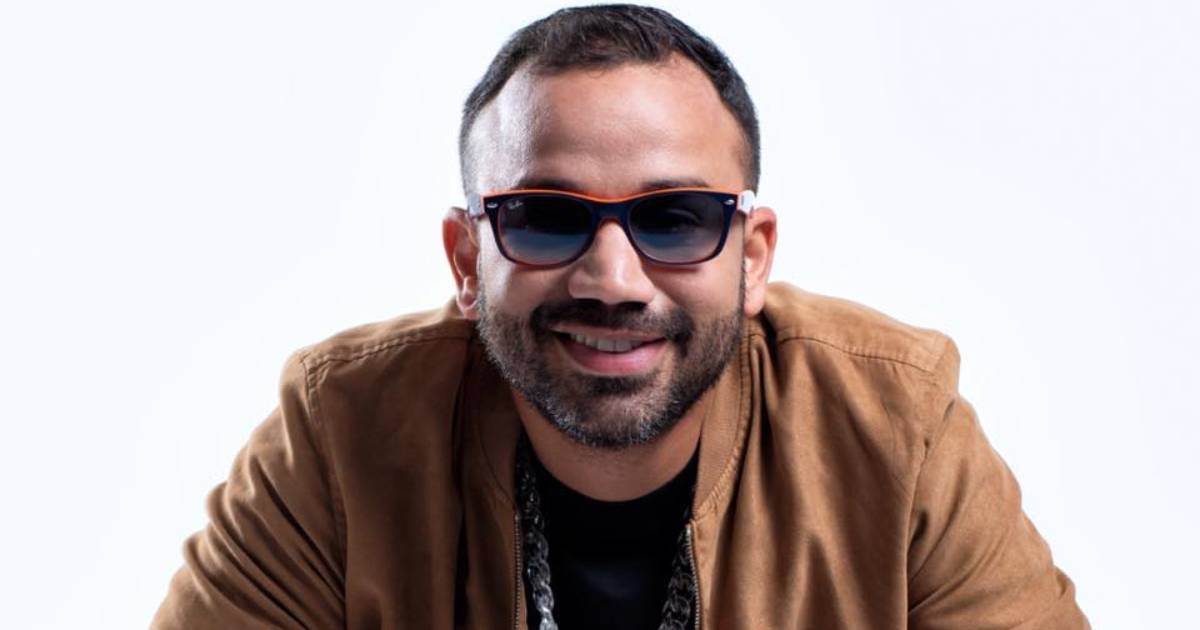
The reggaeton artist Juan Guillermo Almeida (JG), son of the late commander of the Revolution Juan Almeida Bosque, will be one of the performers officially closing the summer season in Cuba.
According to the schedule shared on his Facebook profile, JG performed on August 29 in the Guantanamo locality of El Salvador, and this Saturday he will perform in the Pedro A Pérez square in the same province.
On August 31, it will be at the Juan Delgado square in Bejucal, Mayabeque, as part of the cultural activities organized by the authorities.
The announcement comes amid recent controversies surrounding urban artists' performances at official events.
In July, JG shared the stage with the reggaeton artists Dany Ome and Kevincito El 13 during the celebrations of July 26 in Santiago de Cuba, which sparked a wave of criticism due to the political implications of the date and the economic crisis the country is facing.
In light of the controversy, Dany Ome and Kevincito decided to reschedule their performance for July 27 at the "Rumbón Mayor" on the Alameda stage, aiming to distance themselves from the official image of the event.
The decision was interpreted by journalist Yosmany Mayeta as an attempt to avoid being “used as artistic bait for Caribbean communism.”
Based in Miami, both reggaeton artists faced strong criticism from the Cuban exile community for their participation in concerts authorized by the regime, particularly for doing so in a context of political commemoration.
The appointment of JG as a central figure to close out the summer reinforces the role of artists connected to the government in the cultural strategy, which continues to hold certain celebrations despite public discontent and the severe economic crisis characterized by shortages of food, medicine, and frequent blackouts.
For large segments of the population, these mass events are seen as an attempt by the authorities to use music and entertainment to gloss over social unrest and divert attention from the everyday problems faced by millions of Cubans.
Frequently asked questions about the end of summer in Cuba and the controversy surrounding reggaeton artists
Who is Juan Guillermo Almeida and what is his relationship with the Cuban government?
Juan Guillermo Almeida, known as JG, is the son of the late Revolution commander Juan Almeida Bosque. His appointment as the central figure to close the summer in Cuba reinforces the role of artists connected to the power in the Cuban government's cultural strategy. Despite the economic crisis the country is facing, the government employs these artists to maintain celebrations and attempt to divert attention from the everyday problems of the population.
Why did the reggaeton artists Dany Ome and Kevincito El 13 cause controversy in Cuba?
The controversy arose when Dany Ome and Kevincito El 13 were announced to perform alongside JG at an official event in Santiago de Cuba, as part of the celebrations for July 26. Both decided to reschedule their performance to distance themselves from the official image of the event. Their initial participation sparked strong criticism from the Cuban exile community and was perceived as an attempt by the regime to use their music for propaganda purposes amid a severe economic crisis.
What has been the reaction of the Cuban people to these cultural events organized by the government?
Many Cubans see these mass events as an attempt by the government to mask social unrest. In a context of food shortages, lack of medicines, and frequent blackouts, these celebrations are perceived as a cynical mockery of the daily suffering of the population. The government's strategy seems to be using entertainment to divert attention from the structural problems facing the country.
What impact does the energy crisis have on cultural events in Cuba?
The energy crisis in Cuba has significantly impacted the cultural life of the country. Events such as concerts have been interrupted by blackouts, reflecting the fragility of the national electrical system. This situation limits leisure and entertainment opportunities for Cubans, who are already facing difficult living conditions due to the widespread economic crisis.
Filed under: