
Related videos:
The Iowa Attorney General concluded that the death of the Cuban migrant Feglys Antonio Campos Arriba, which occurred on August 15 in Denison, was "legally justified."
The report, released on Tuesday, closes the criminal investigation without charges against Sergeant Alan Romero, the officer who shot at the Cuban in Washington Park.
According to the official report, Romero attempted to use several non-lethal force methods, including a stun gun and physical maneuvers, but Campos allegedly continued to attack him, even going so far as to bite his ear.
In response to that statement, the Prosecutor's Office asserted that the police officer "was forced" to shoot four times at the 36-year-old migrant.
However, neighbors and friends of the deceased have reported inconsistencies, stating that the body showed more impacts than those acknowledged in the official report.
Inconsistencies and calls for justice
The Hispanic community in Denison has reacted with outrage. Several residents are demanding the release of the police officer's body camera footage, convinced that the official version does not reflect what actually happened.
"What a pity that so much trash is talked about a person who is no longer here and cannot give their side," said a neighbor who preferred to remain anonymous to the Spanish newspaper El País.
Another resident, Julio Rodríguez, was more straightforward: "I knew this was going to end like this. It was obvious they were going to cover for each other."
Days ago, the victim's mother, Magalys Arriba Fuentes, a resident of Madrid, expressed through tears that her son was a hardworking man seeking a better life.
"The police are here to protect us, not to kill us. I don’t know what could have happened to my son. No one deserves to die like this", she questioned.
The backdrop of a tragedy
Campos arrived in the United States in 2023 through the CBP One program, but lost his work permit due to the restrictions imposed by the Trump administration on those who entered under that protection.
A few days before his death, he was evicted from the motel where he lived because he couldn't pay the $550 monthly rent. Unemployed and homeless, he had taken refuge in Washington Park, where the shooting occurred.
The Prosecutor's Office claims that the authorities attempted to move him to a shelter in Omaha, but were unsuccessful.
However, testimonies from neighbors and activists assert that the aid never arrived and that the police did not activate appropriate protocols to deal with individuals in crisis or those with potential mental health issues.
Protests and collective memory
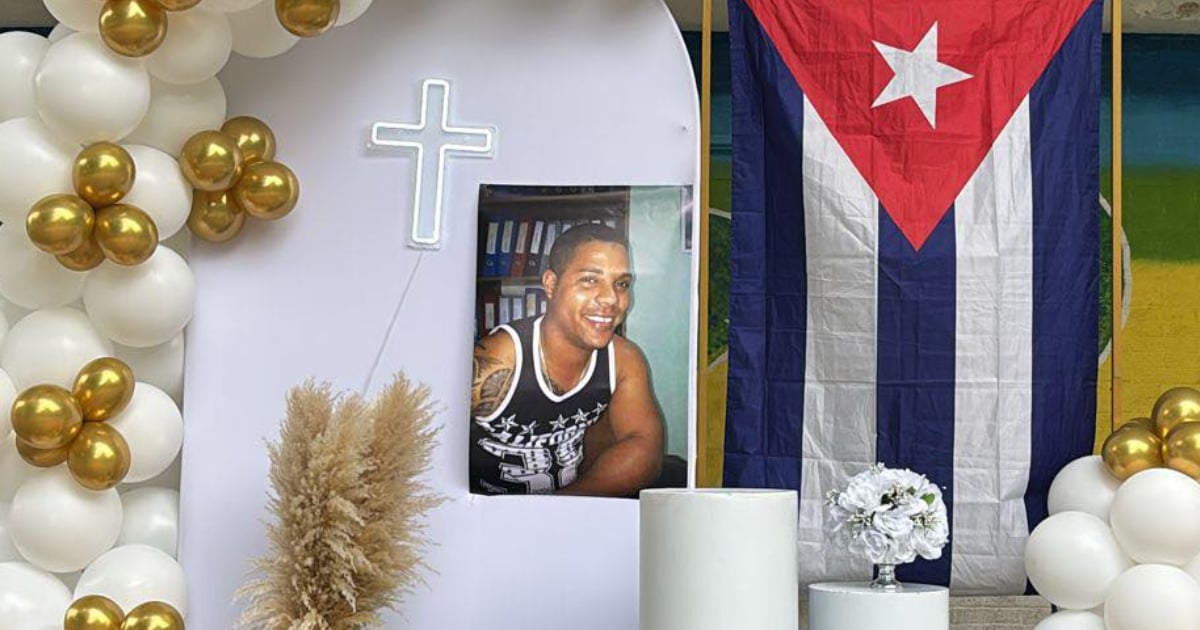
Following the incident, dozens of residents organized marches in front of the police station, set up an altar in the park, and demanded the full release of the videos from the operation.
A GoFundMe fundraiser has surpassed $3,000 to cover Campos' funeral expenses, with his body to be buried outside of Iowa.
While the official version insists that Officer Romero acted "in self-defense," the local community perceives the resolution as a case of police impunity with undertones of xenophobia.
For many, Campos' death symbolizes the extreme vulnerability of Cuban migrants in the United States, caught between exclusionary policies, job insecurity, and institutional violence.
Frequently Asked Questions about the Death of Cuban Feglys Antonio Campos Arriba in Iowa
Why did the Iowa Prosecutor's Office justify the shooting that resulted in the death of Feglys Antonio Campos Arriba?
The Iowa Prosecutor's Office concluded that the shooting was "legally justified" because the officer was compelled to shoot in self-defense after Campos allegedly continued to attack him, despite attempts to use non-lethal force methods. However, this account has been questioned by the community and by Campos' relatives, who report inconsistencies in the official report.
What inconsistencies do the neighbors and family members of Feglys Campos report regarding the shooting in Iowa?
Neighbors and family members of Feglys Campos have pointed out that the body showed more bullet wounds than those acknowledged in the official report and are demanding the release of the body camera footage from the involved officer. Additionally, they criticize the lack of appropriate protocols for dealing with individuals in crisis or with potential mental health issues.
What impact has the death of Feglys Campos had on the Hispanic community in Denison, Iowa?
The death of Feglys Campos has generated outrage and protests within the Hispanic community of Denison. Neighbors have organized marches in front of the Police station, set up an altar in the park where the shooting took place, and demanded the release of the operation videos. The community views the case as an example of police impunity and possible xenophobia.
How did immigration policies affect Feglys Antonio Campos before his death?
Feglys Campos lost his work permit due to the restrictions imposed by the Trump administration on migrants who arrived under the CBP One program. This situation led him to unemployment and to living on the streets, leaving him in a vulnerable position and homeless shortly before his death in Washington Park in Denison, Iowa.
Filed under: