
Related videos:
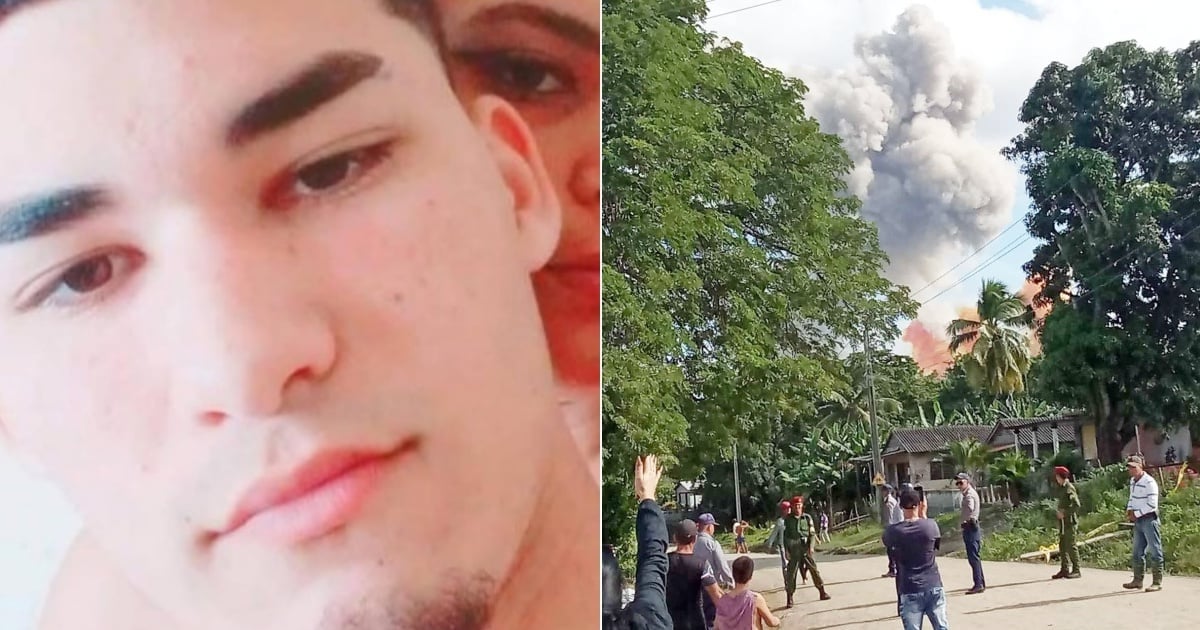
José Carlos Guerrero García, one of the 13 victims of the explosion at an ammunition depot in the town of Melones, in Holguín, would have turned 20 years old this week.
“On September 11, 2025, you would finish your mandatory military service and tomorrow you will turn 20 years old. MAY GOD watch over you wherever you are,” wrote that day his father, Julio César Guerrero Batista, on Facebook, remembering his son who passed away while fulfilling his Mandatory Military Service (MMS).
Also, in the Facebook group No more VICTIMS of military service in Cuba, activist Alfredo González, father of Annier González, another young man who died while serving in the SMO, remembered José Carlo.
“Were it not for the IRRESPONSIBILITIES and the DISORDER in the MILITARY SERVICE in Cuba, I would be celebrating 20 years of life; let us give a shout of happiness to the heavens or an amen. I feel it in my soul, I know how hard these dates are for our families,” said.
José Carlos was one of the 13 victims of the incident on January 7, who were officially declared deceased by the high command of the Cuban Armed Forces in a statement released the day before.
The facts
Shortly after the incident, Julio César Guerrero called for a thorough investigation of the events and demanded the search for the young man's body.
Guerrero stated that "the search and even less the investigations at the site of the explosion never began" and claimed that, according to the daily report an officer from the FAR provided him at his home, the work "could not start" because ammunition was "still detonating at the site and the safety of rescuers, investigators, and experts could not be compromised."
The distraught father questioned when the search and investigation took place, and revealed that to date, "the families of the victims have not been given a detailed explanation of what happened."
"Why didn't the minister of the FAR and the secretary of the provincial PCC meet with the families when they were in Holguín, to at least express their condolences to the families?" he asked.
"I tell them and demand that my son's body and the others be found. What are they going to do with the military materials left at the site? I want my son's body," concluded Guerrero.
In another post on Facebook, the father warned: “Without a body, there will be no ceremony”, a decision supported by family and friends.
The commission from MINFAR tasked with investigating the disaster declared that, due to “the extreme complexity of the terrain as a result of the explosions, the effects of accumulated gases, and the severe damage caused, as well as the real danger of collapses due to structural damage to the site,” it was not possible to reach the location where the 13 individuals -four officers and nine soldiers- are who confronted the disaster in an attempt to prevent its spread.
According to the official version, “in line with the work carried out and the analyses by specialists,” the ministerial commission and the relevant investigative bodies concluded that “the accident site is inaccessible and, consequently, there is no possibility of life at the location.”
The report stated that, “after several days of intense work,” it was determined that the possible cause of the incident “is associated with an electrical failure caused by a short circuit inside the facility.”
In the days following the explosion, the regime maintained silence regarding the investigation of the tragic incident, which sparked outrage among the victims' family members, who denounced negligence, a lack of interest in initiating rescue efforts, and no information about the inquiries.
The authorities claimed that the risk of further explosions prevented specialists from entering the area of the military unit where the fire and explosions broke out, to begin the search for the missing.
Although the regime's official information has not confirmed it, it has been reported by family members and close associates that the nine soldiers who were victims of the incident were young recruits in the Military Service, which is mandatory for males in Cuba starting at the age of 17.
No to Military Service
In the midst of the pain and outrage caused by the tragedy in which nine young soldiers and four military personnel went missing, the “No to Military Service” campaign gained new momentum.
Promoted by activists and independent organizations, the initiative calls for the end of Military Service, which is regarded by many Cubans as an oppressive and dangerous system for the youth.
In a report published this Thursday, activist Yamilka Laffita (known as Lara Crofs) revealed that authorities "are pressuring the mothers of the town of Melones to send their children to mandatory military service."
"Have they still not been able to retrieve the bodies of the children inside the silos, and are they already recruiting more children to send them back to death?" she condemned.
Laffita warned that "the threats from the official Yoel Méndez, who is in charge of summoning the young people from the El Purial Popular Council, to the mothers who refuse to send their children into danger, are becoming increasingly frequent."
“Presidency of Cuba, Minfar of Cuba, your decency and respect have come to an end, haven’t they?” the activist lashed out against the authorities.
Frequently Asked Questions about the explosion at the Melones military unit and Mandatory Military Service in Cuba
What happened in the explosion at the ammunition depot in Melones?
On January 7, 2025, an explosion at an ammunition depot in the town of Melones, Holguín, resulted in the death of 13 people, including young soldiers fulfilling their Mandatory Military Service. The official investigation attributed the incident to an electrical failure caused by a short circuit, but the families of the victims have reported a lack of transparency and negligence in the handling of the incident.
Why haven't the bodies of the explosion victims been recovered?
According to the MINFAR commission, the extreme complexity of the terrain and the risk of collapses have hindered the recovery of the bodies. Despite this, the families have criticized the lack of an adequate investigation and the absence of detailed explanations regarding what occurred.
What criticisms have been made of Mandatory Military Service in Cuba?
The Mandatory Military Service in Cuba has faced criticism for being considered oppressive and dangerous for young people. The deaths of soldiers in accidents, such as the explosion in Melones, have intensified the debate about its legality and ethics, with reports of abuse and neglect in medical care and service conditions.
What actions have the families of the victims of the Military Service taken?
Family members of the victims, such as Alfredo González, have led campaigns on social media to demand justice and the end of Mandatory Military Service. They report negligence and abuses within the military system and have organized support groups to bring visibility to these cases in Cuban society.
Filed under: