
Related videos:
The activist Arián Cruz Álvarez, better known on social media as Tata Poet, announced that he has chosen the path of exile to safeguard his life.
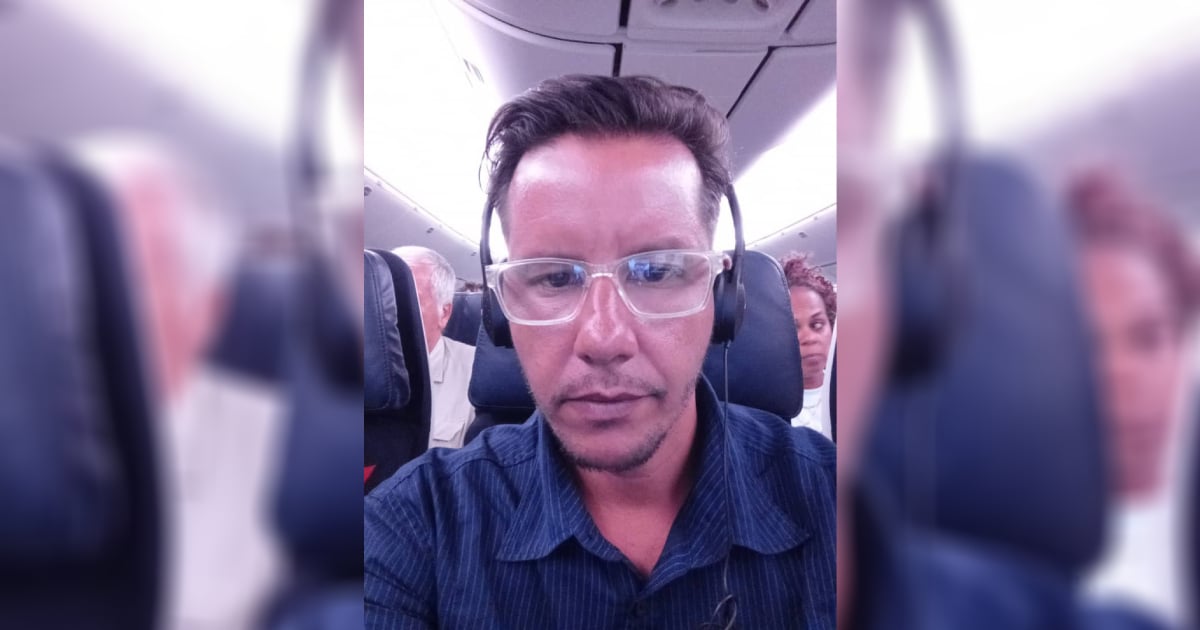
“After all these years of activism, threats, beatings, repression, and political persecution by the state security forces, I have had to leave this land that I love so much to safeguard my life,” said Cruz Álvarez in a Facebook post where he included a photo of himself on a plane.
Tata Poet, who did not specify his destination, expressed “infinite gratitude to all the friends and family who accompanied me through this very complex process” and regretted “greatly not having been able to say goodbye to many beloved people that I leave behind.”
"See you soon, Cuba!" he concluded.
Cruz Álvarez gained attention in 2022 after protesting the arrest of his partner, Rosmery Almeda Tapia, who was detained for over 16 days at the 100 and Aldabó station in Havana following a demonstration on Line Street during a blackout.
On multiple occasions, Tata Poet was detained and harassed by State Security for peacefully protesting. In 2023, he also reported an assault by his stepfather, who was living illegally in his home.
Frequently Asked Questions about the Exile of Cuban Activists and Repression in Cuba
Why did Tata Poet decide to go into exile from Cuba?
Tata Poet decided to go into exile from Cuba to safeguard his life, after years of activism, threats, beatings, repression, and political persecution by the Cuban State Security. Despite his love for the island, the conditions of harassment led him to make this difficult decision.
What kind of repression do activists in Cuba face?
Activists in Cuba face arbitrary detentions, surveillance, threats of violence, and acts of repudiation. State Security employs tactics of intimidation and repression to silence critical voices. Recent examples include the cases of Yamilka Lafita, Ángel Santiesteban, and Camila Acosta, who have been harassed and detained for their opposition activities.
How does the Cuban regime affect the rights of its citizens?
The Cuban regime affects the rights of citizens through the systematic violation of basic freedoms, such as freedom of expression, assembly, and movement. Political repression, control over the media, and restrictions on entering and leaving the country are common practices that limit human rights on the island.
What are the consequences of forced exile for Cuban activists?
Forced exile has devastating consequences for Cuban activists, as they must leave their homes, families, and communities. Moreover, they face uncertainty and the challenges of adapting to new countries while continuing their struggle for human rights from abroad. The separation from their loved ones and the inability to return to their country exacerbate their emotional and personal situation.
Filed under: