
Related videos:
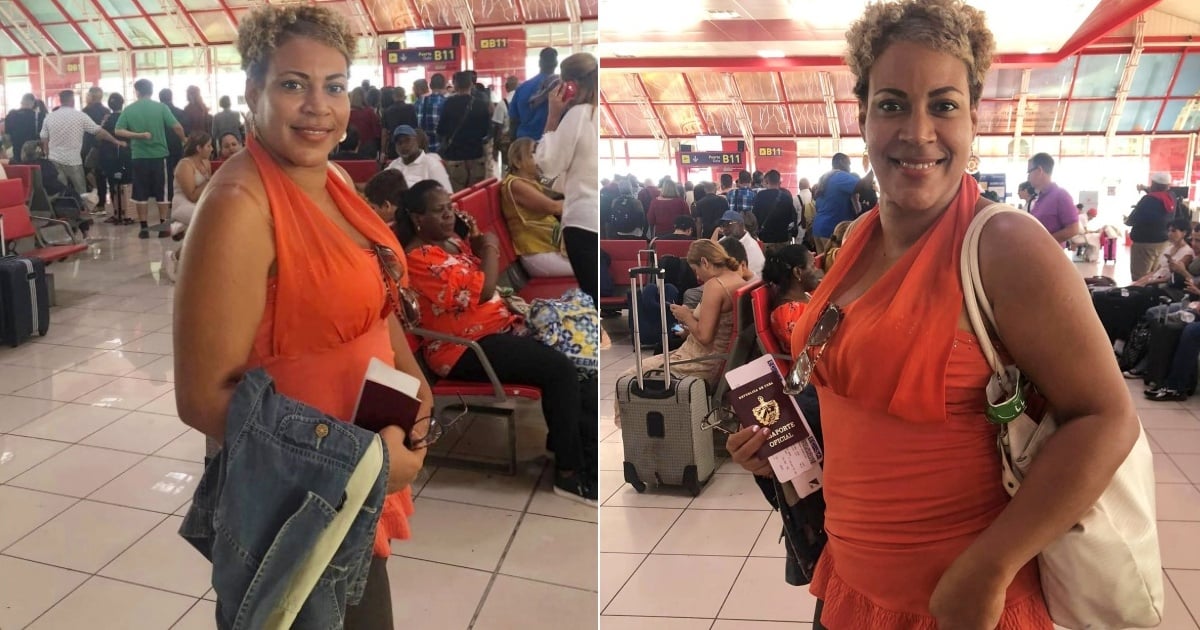
The Embassy of Cuba in Mexico and its Consulate in Veracruz have confirmed in recent hours the death of the Cuban doctor Zunilda Torres Rodríguez, a specialist in Physical Medicine and Rehabilitation.
The deceased health professional was part of the medical brigade sent by the island to Mexican territory as part of the IMSS-Bienestar program.
He specifically provided services at the "Dr. Luis F. Nachón" Civil Hospital in the city of Xalapa, the capital of the state of Veracruz.
The Consulate of Cuba in Veracruz, in collaboration with authorities from the State Prosecutor's Office and IMSS Bienestar, as well as representatives from Cuban Medical Services, has been carrying out, since yesterday, all the necessary procedures for the swift repatriation of the remains of Dr. Zunilda Torres Rodríguez, a member of the Cuban medical brigade serving at the Regional Hospital of Xalapa, states a Facebook post by the Cuban Consulate in Veracruz.
"We extend our deepest condolences to his family, colleagues, and friends," the note adds.
Official reaction from the Embassy of Cuba in Mexico
The Embassy of Cuba in Mexico also expressed regret over the loss of the specialist and acknowledged her valuable contribution to the healthcare system in Veracruz.
"We bid a heavy farewell to Dr. Zunilda Torres, a specialist in Physical Medicine and Rehabilitation, who served the community in Veracruz. From the diplomatic mission, the Medical Brigade, and the Ministry of Public Health of Cuba, we stand by her family and are offering consular support and assistance with repatriation," stated the embassy.
Death during working hours
According to institutional sources, the doctor passed away in the early hours of Monday while performing her professional duties.
The Director of Medical Care at the Health Services of Veracruz, Roberto Alonso García Díaz, stated -in statements collected by the Mexican press- that following the announcement of the death “the procedures that are followed in cases of sudden death have already been activated”; and emphasized that the Cuban Consulate was urgently notified to initiate the process of repatriating the body.
The passing of Dr. Torres Rodríguez has been described as a "regrettable and painful" event by various Mexican authorities, and it has prompted expressions of solidarity in both Cuba and Mexico.
The professional had no relatives in the country, so the Consulate of Cuba has taken over the coordination of all diplomatic and legal procedures for the repatriation of her remains to the island.
Posthumous recognition in Veracruz
During the community health day "For a Healthy Heart," held at Juárez Park in Xalapa, the director of the Civil Hospital where the doctor worked, Roberto Alonso García, asked attendees to observe a moment of silence and offer a round of applause in her memory.
The official emphasized the specialist's commitment and her constant dedication to serving the Mexican people.
"Her work is an example of the solidarity spirit that characterizes Cuban medical brigades. Her loss profoundly impacts those who worked alongside her and the community she served in Xalapa," acknowledged the hospital director.
Although specific details about the cause of death have not yet been revealed, authorities have emphasized that it occurred suddenly while performing medical duties.
Context: A death that reignites the debate about Cuban medical brigades
The passing of Doctor Zunilda Torres Rodríguez once again puts the program for sending Cuban doctors abroad under scrutiny, particularly in Mexico, where their presence has been defended by the federal government but also heavily criticized by human rights organizations, local medical unions, and voices opposing the Cuban regime.
The island's medical brigades, promoted by the Cuban state under the discourse of "internationalist solidarity," have been highlighted by various international organizations as a form of forced labor or modern servitude, due to the conditions in which many of their members perform their duties.
On several occasions, Cuban doctors have reported the retention of passports, confiscation of most of their salaries by the Cuban government, lack of individual freedoms, and constant surveillance, even during official missions.
Frequently Asked Questions about the Death of the Cuban Doctor in Mexico and the Cuban Medical Brigade Program
Who was the Cuban doctor who passed away in Mexico?
The Cuban doctor who passed away in Mexico is Zunilda Torres Rodríguez. She was a specialist in Physical Medicine and Rehabilitation and was part of the medical brigade sent by Cuba to Mexico under the IMSS-Bienestar program. She was serving at the “Dr. Luis F. Nachón” Civil Hospital in Xalapa, Veracruz.
What is known about the circumstances of his death?
Dr. Zunilda Torres Rodríguez passed away suddenly during her work shift at the Civil Hospital "Dr. Luis F. Nachón" in Xalapa. Mexican authorities activated the appropriate procedures for cases of sudden death, and the Consulate of Cuba began the process of repatriating her body.
What impact has their passing had on the medical community?
The passing of Dr. Zunilda Torres has been described as a "regrettable and painful" event by various Mexican authorities. Her commitment and dedication to serving the Mexican people were widely acknowledged during a posthumous tribute in Xalapa, where her work was highlighted as an example of the solidarity spirit of the Cuban medical brigades.
Why are Cuban medical brigades a subject of controversy?
Cuban medical brigades have been criticized by human rights organizations and local medical associations because, while they are presented as an act of "internationalist solidarity," they have been pointed out as a form of forced labor due to the conditions under which Cuban doctors must operate. These criticisms include the retention of most of their salaries by the Cuban government, the lack of individual freedoms, and constant surveillance.
Filed under: