
Related videos:
The chronicle is living memory: a portrait of the moment that blends the personal with the collective, the intimate with the social. In this space, we bring together texts that capture the essence of our time, with the direct and unfiltered voice of those who experience it firsthand. Stories that arise from reality, narrated with the power of words and the sensitivity of those who observe, suffer, remember, and resist.
Each chronicle is a testimony and, at the same time, an invitation to look beyond the everyday.
If you want your voice to be heard or have something to report, you can send us your chronicle anonymously at the email: cronicas@cibercuba.com
Blackout and Ash: A Chronicle of Cuban Darkness
Adrien Ponderal
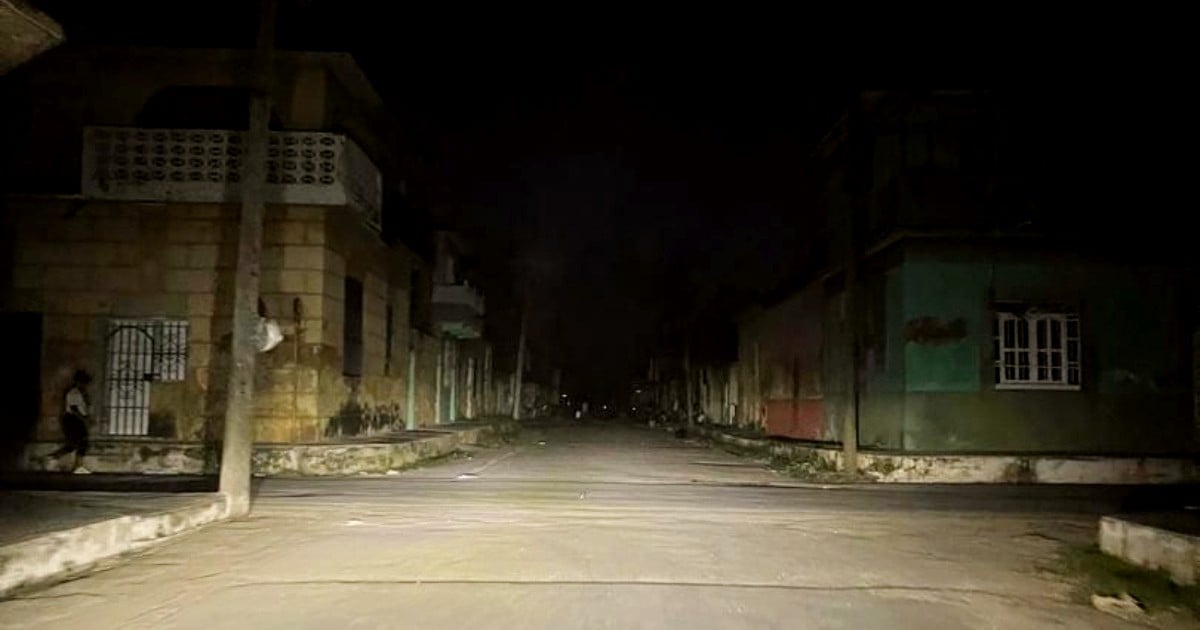
I write these lines amidst a complete blackout. I must say it, as anger fuels the hatred I hold for this system and its rulers. Their Machiavellian plan for the destruction and dehumanization of humanity has borne fruit. A prime example of this is the resigned and crushed society that conforms to absurd laws, surreal propaganda, and, above all, ridiculous doctrines.
On the rational side, I can't help but wonder whether this is a social experiment or a mockery of the impossibility of making us submit. Who will restore social order? Who will build a happy world within this nation in ruins?
Today, more than ever, confronting reality has become a nightmare; however, it is also the consequence of repeatedly overlooking the opportunity to pause before what is sensationally right.
From my balcony on the fourth floor of a poorly constructed building from the 70s, inspired by Soviet brutalism, I enjoy the darkness that has engulfed the neighborhood, both morally and energetically.
A baby just a few months old is crying; I hear its cries of fright. I imagine it writhing from the heat while its mother, probably, rocks it back and forth, fanning it as she sits in an armchair, with no time to think about what she will do when her strength gives out and her arms can no longer bear the sway of the movement.
I also hear shouts of joy. Apparently, the younger ones will use the late-night blackout as an excuse to skip school. After all, the system has done nothing but lie to them, stifling intellectual development and replacing it with educational mechanization. I don't think they'll miss much by not attending.
Despite the isolated cries, what prevails in the atmosphere is a dominant silence, a silent moan: resignation, exhaustion, frustration. All these emotions are denied expression by those who feel them, some out of fear, others because hope has faded away.
At the level of taking action, individuals resort to expressing their discomforts by sending messages in a chat of the electric company, which, in a sinister parallel to reality, also takes on the role of silencing those who do not meet the established standards.
Now I witness something more than silence: the roar of an electric generator. It's not surprising to know where it comes from; amidst the blinding darkness, few lights demand attention as much.
The splendor comes from the adjacent building, a fifth floor unit belonging to an official from the Ministry of the Interior, who knows how he can maintain such an expensive artifact on such a meager salary during these times of widespread hardship.
In the end, ideological hypocrisy: they promote an ideal, rule in a cruel manner, and on top of that, they can't suppress their cravings for capitalist products. Perhaps it's true that mosquitoes bite everyone, including communists.
Filed under: