
Related videos:
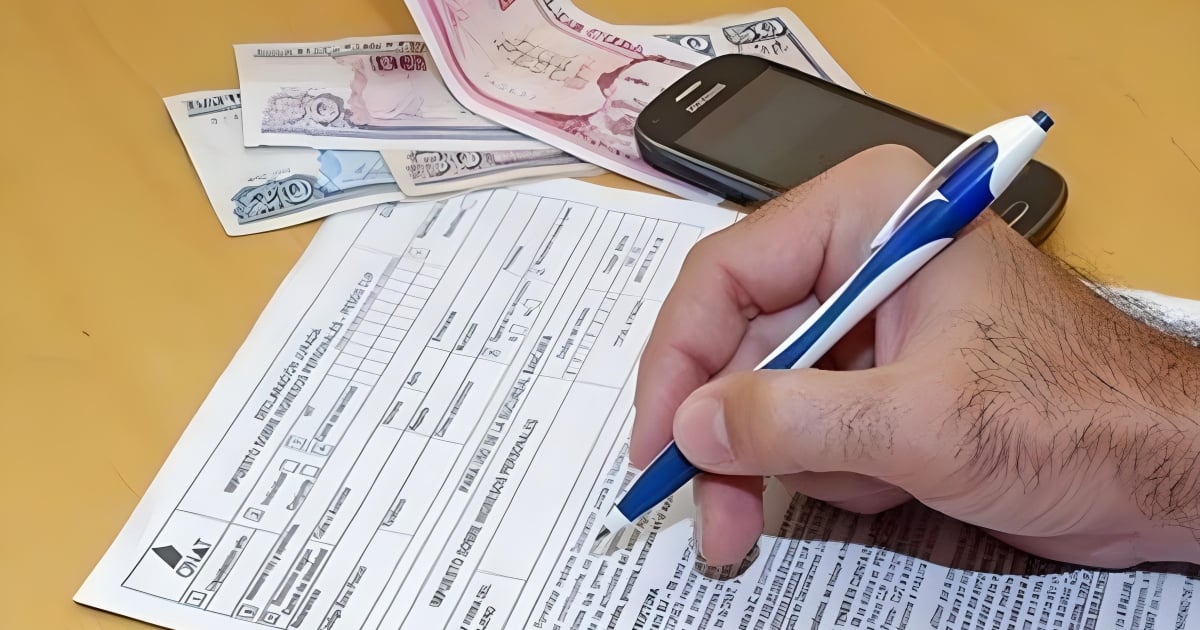
The Cuban regime announced the extension of the tax payment deadline for individuals and entities located in the eastern provinces of the country affected by the passage of Hurricane Melissa, which struck the region on October 29th.
The National Office of Tax Administration (ONAT) announced on its Facebook account that the measure aims to "ensure suitable conditions for economic and social recovery" in the most affected areas, including Guantánamo, Santiago de Cuba, Granma, Holguín, and Las Tunas.
According to Resolution 322 of November 11, 2025, issued by the Ministry of Finance and Prices, the deadline for the payment of tax obligations due in November has been extended to November 30, in order to alleviate the financial situation of affected taxpayers.
The measure is justified by the severe material and infrastructural damage caused by Melissa, which left thousands of homes destroyed, electrical outages, agricultural losses, and significant impacts on the communications network in the eastern region.
The regime presented the measure as a gesture of support for the affected communities, although it avoided specifying how many taxpayers or companies would benefit or whether tax exemptions or direct aid would be considered for the most devastated areas.
On the other hand, if the regime's purpose were truly to "help," it would have implemented concrete measures to support the businesses affected by the hurricane, rather than just extending tax deadlines.
In its statement, the ONAT reminded that taxes "are an important part of the funds intended to guarantee essential public services", a message that raises questions amid the economic crisis and widespread shortages facing those provinces.
Authorities recommended the use of digital payment channels, especially the Transfermóvil app, through which individuals can receive a 3% discount on the amount to be paid.
However, in many of the areas most affected by the hurricane, mobile connectivity remains unstable.
The tax extension comes amid a context of deep economic contraction, with hundreds of families still without electricity or repaired homes after the hurricane's passage.
Despite the limitations acknowledged by the authorities themselves, the Government insists on continuing to collect taxes, while promises of "recovery and support" contrast sharply with the reality of scarcity, sluggishness, and precariousness in the state's response.
Filed under: