
Related videos:
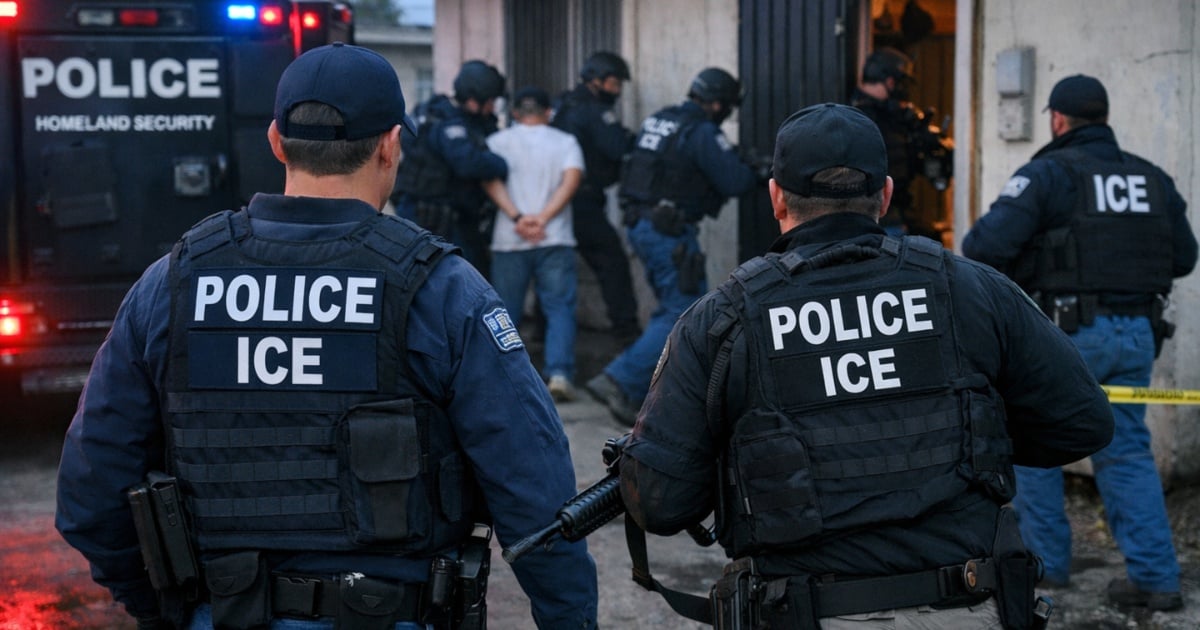
Amid protests against ICE that have spread across the United States, lawyers and legal experts are warning that physically interfering with an arrest or obstructing an immigration operation —even with the intention to help or to peacefully demonstrate— can result in criminal charges, fines, and prison time, with particularly serious consequences for those who are not U.S. citizens.
The topic becomes relevant as tensions rise in the streets over the way federal agents conduct arrests and use force, a climate that has been exacerbated by recent events such as the case in Minneapolis, where a woman was shot and killed by an ICE agent during an immigration operation, an incident that sparked outrage and new mobilizations, according to local reports.
A report by Univision emphasizes that recording agents in public spaces is a right (as long as it does not interfere), but warns that attempting to prevent an arrest, getting too close, touching an officer, pushing, blocking passage, or any action that could be interpreted as obstruction may escalate the situation and result in a detention.
A criminal lawyer consulted in the note explained that, in Texas, interference can be classified as a misdemeanor with penalties of up to 180 days in county jail and fines of up to $2,000, although it will depend on the circumstances of the case.
At the federal level, resisting or obstructing an agent can fall under statutes such as 18 U.S.C. § 111 (assaulting, resisting, or obstructing certain officials), which outlines penalties that vary depending on the severity (for example, “simple assault” can carry up to one year, and increases if there is physical contact or greater danger).
Helping to evade ICE: the risk multiplies
The segment warns that the penalties can be "severe" for those accused of helping someone avoid ICE, for instance by transporting, hiding, or providing false documents to them.
The report mentions penalties that can reach fines of up to 250,000 dollars and up to 10 years in prison, in line with the federal framework regarding the transportation/concealment/harboring of individuals without immigration status.
The cited lawyer adds a key point: the person intervening “does not know the history” of the detained individual—whether they are a fugitive or what their background is—and that is why “it is a very great risk” to try to get them out of an arrest.
Consulted specialists recommend that the safest course of action is to maintain distance, obey legal orders, and refrain from doing anything that could be interpreted as obstructing justice, even when protesting or documenting the operation.
Filed under: