
Related videos:
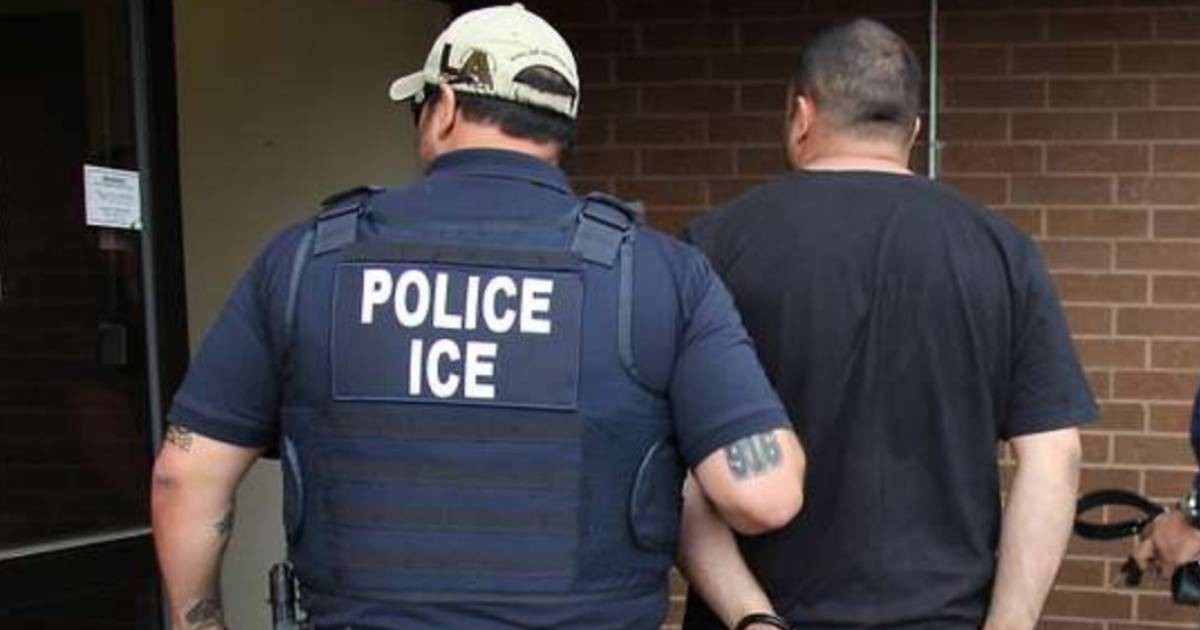
The U.S. Citizenship and Immigration Services (USCIS) published a strong institutional warning message on Monday after reviewing the case of a Salvadoran migrant who has had a deportation order issued more than 25 years ago. This order was issued after he was detained by Immigration and Customs Enforcement (ICE) when he appeared at their office in Charlotte, North Carolina, for a family petition interview.
The agency took advantage of the case to launch a direct notice on social media to all migrants with pending orders: "Pending removal orders will not withstand the rigorous verification and scrutiny procedures implemented by the Trump Administration. When a judge orders removal, the law will be enforced."
The case starkly illustrates how a routine procedure, in this instance a family petition interview, can lead to immediate arrest, regardless of how many years have passed since the court order was issued.
What happened in Charlotte is not an isolated incident, but rather part of a systematic pattern that USCIS has adopted under the Trump administration since January 2025. The agency, historically focused on processing legal immigration benefits, has taken on an active law enforcement role.
For example, in September 2025, it was authorized to create special agents with arrest powers, carrying firearms, and executing court orders, blurring the traditional line between immigration services and enforcement.
This move is directly backed by Executive Order "Protecting the American People against Invasion", which instructed homeland security agencies to prioritize the enforcement of removal orders regardless of the age of the order or personal circumstances.
The figures support the magnitude of the change. According to DeportationData, interior deportations have increased fivefold compared to the levels recorded under previous administrations. According to data from specialized organizations, 1.5 million non-citizens in the United States have pending removal orders, making them potential targets in any interaction with federal agencies.
Similar cases have been documented in various cities. A Cuban in Tampa was arrested while visiting a USCIS office, and another who went for a citizenship process in Hialeah was arrested under equally routine circumstances.
The warning from the authorities is clear: an arrest warrant is a serious matter, regardless of the reason a migrant may approach a federal office.
Filed under: