
Related videos:
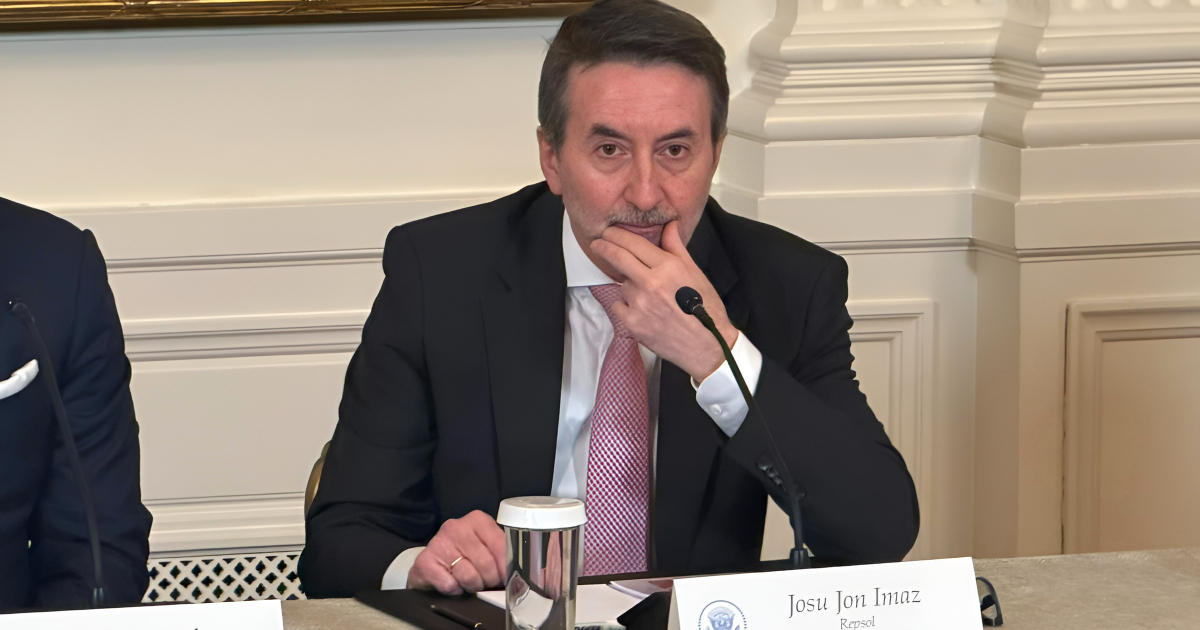
The Spanish oil company Repsol regained direct operational control of its oil assets in Venezuela this Thursday after signing a new agreement with the interim government and the state-owned PDVSA, as reported by the Financial Times.
The agreement includes a "guaranteed" payment mechanism designed to prevent a repeat of Caracas's historical defaults, which has accumulated a debt with Repsol of approximately 4.55 billion euros (about 5.4 billion dollars).
The agreement sets a goal of achieving more than 50% growth in production in the short term, starting from the current 45,000 barrels per day, and aims to triple that figure within three years.
The new pact adds to the strategic gas agreement that Repsol signed in March for the Cardón IV project, a 50-50 joint venture with the Italian Eni in the Gulf of Venezuela, which includes the Perla field, currently producing 580 million cubic feet of gas per day and estimated reserves of 17 trillion cubic feet.
When announcing this prior agreement, the interim president Delcy Rodríguez stated: "I am very pleased that this is happening in partnership with two European companies that remained in Venezuela and believed in our people."
The context that makes this new agreement possible is the radical political change in Venezuela: Nicolás Maduro was captured by U.S. forces on January 3, 2026 and transferred to New York to face federal charges, after which Rodríguez assumed the role of interim president.
The Trump administration, which announced a total oil embargo on January 7, gradually eased the sanctions: on February 18, the Office of Foreign Assets Control (OFAC) issued General License 50A, authorizing Repsol, Chevron, BP, Eni, and Shell to reactivate operations for the exploration, production, and marketing of Venezuelan crude oil and gas.
In March, the OFAC expanded this framework with General License 52, making transactions with PDVSA easier and further paving the way for foreign oil companies to regain operational autonomy.
Repsol, which has been operating in Venezuela since 1993, holds stakes in fields such as Petroquiriquire —in the states of Monagas, Zulia, and Trujillo— and in Quiriquire Gas, in Monagas, in addition to rights over 1,907 square kilometers awaiting development.
The company's operations had been stalled for years due to PDVSA's systematic non-payments and U.S. sanctions, which in March 2025 resulted in the revocation of a prior license that allowed Repsol to receive Venezuelan oil as compensation for debts.
The U.S. estimates that Venezuelan oil will generate over 10 billion dollars annually under the new supervision scheme, making the reactivation of the sector a key element for both the interim government of Caracas and foreign companies looking to recover the value of assets that have been blocked for years.
Filed under: