
Related videos:
A potential military intervention by the United States in Cuba could be resolved quickly on the ground, but it would create a much more complex and uncertain scenario for the island's political future, experts cited in a recent report from warn.
According to a report from the same outlet, while the Pentagon quietly intensifies the planning of potential operations in Cuba —awaiting an order from President Donald Trump—, the analysis from specialists adds a crucial nuance that goes beyond military tension: winning the war might not be the hardest part.
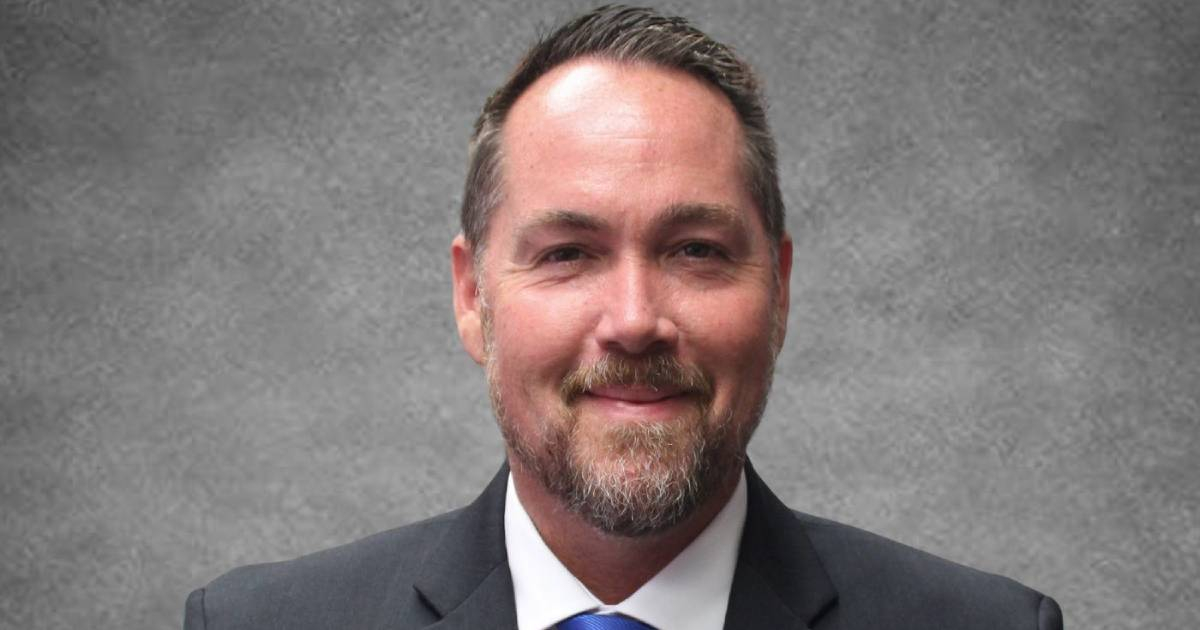
Brian Fonseca, Vice President for Research in Defense and National Security and Director of the Jack D. Gordon Institute at Florida International University, believes that a U.S. military action would have a high probability of success in the short term, due to the deterioration of Cuban military equipment and the internal fragility of the system. However, he warns that the real challenge would begin afterward.
“It would be a very easy military victory, but a much more difficult political victory”, Fonseca pointed out, highlighting the enormous challenges involved in rebuilding the institutional order, ensuring stability, and sustaining a transition on the island.
The scenario raises sensitive questions for millions of Cubans both inside and outside the country. Beyond the collapse of the current system, dilemmas would arise regarding who would assume power, how internal security would be managed, and what role external actors would play in the country's reorganization.
These assessments arise in a context of increasing pressure from Washington on Havana. Since the beginning of the year, the Trump administration has tightened its measures, including restrictions on oil supply, while at least in rhetoric, keeping open the possibility of forcing a political change on the island.
At the same time, both nations have held preliminary contacts to explore a negotiated exit from the crisis, with no clear progress so far. This dual approach—dialogue and pressure—reinforces the uncertainty regarding the direction events might take.
Recent statements by Trump have contributed to rising tensions. The president has left open the possibility of taking action in Cuba once the current conflict with Iran concludes, in a tone that mixes warnings, ambiguity, and demonstrations of strength.
From Havana, Miguel Díaz-Canel has responded by stating that the country would withstand any aggression, amid a deep economic and social crisis that continues to deteriorate the living conditions of the population.
Although there are no signs of an imminent intervention, the debate no longer revolves solely around whether it will happen, but rather what would come next. And in that regard, experts agree that this is where the true future of Cuba will be at stake.
Filed under: