
Related videos:
The United States government has given Cuba a two-week deadline to release high-profile political prisoners as a gesture of good faith, the deadline expiring around April 24 and which the regime must meet during this week, as revealed by this Sunday.
The demand was presented during a secret meeting held on April 10 in Havana, the first time a U.S. government plane landed in Cuba since 2016, a State Department official confirmed to the U.S. media.
Among the names mentioned for a possible release are Luis Manuel Otero Alcántara and Maykel Osorbo (Maykel Castillo Pérez), dissident artists of the San Isidro Movement who were sentenced in 2022 to five and nine years in prison, respectively.
Otero Alcántara is serving his sentence in the maximum-security prison of Guanajay, Artemisa, and in March, he undertook a 12-hour daily hunger strike to denounce death threats from State Security agents.
Osorbo, co-author of the protest anthem "Homeland and Life", is recognized as a prisoner of conscience by Amnesty International, and has been deprived of his liberty since May 18, 2021, under alarming conditions that pose a danger to his life.
Among the proposals discussed at that meeting was also the possibility of bringing the high-speed internet service Starlink to Cuba, as part of a package of incentives that Washington is said to have offered to the Havana regime.
U.S. pressure is increasing amid a backdrop of growing tension. When asked if he would consider military action against Cuba, President Donald Trump replied: "It depends on what your definition of military action is", a statement that created an uncertain scenario regarding the future of bilateral relations.
The recent history of the Cuban regime regarding releases does not inspire optimism. In the pardon last January, no political prisoners were included, as reported by Human Rights Watch.
The organization stated that the measure explicitly excludes those convicted of crimes against authority, a category under which the majority of political prisoners are classified.
In March, following mediation by the Vatican, the regime released 51 prisoners, although activists and human rights organizations warned that the actual number of incarcerated individuals continued to rise. According to recent data from Prisoners Defenders, Cuba reached a historical record of 1,250 political prisoners.
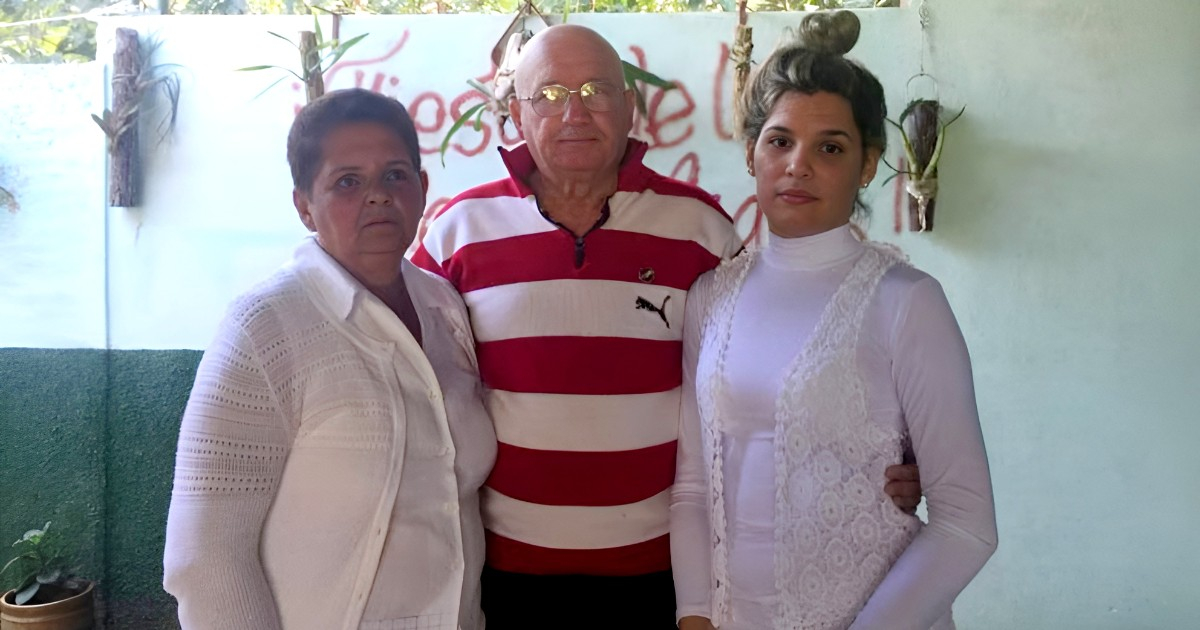
The situation of other prisoners also raises concern. Félix Navarro Rodríguez, an opposition leader reported as a victim of a brutal beating, is one of the cases that has garnered international attention in recent weeks.
As the deadline approaches, activists and families of political prisoners maintain hope that diplomatic pressure will yield concrete results. President Trump assured that a new dawn for Cuba is coming, although the regime's response to Washington's demands will determine whether those words translate into actions.
Filed under: