
Related videos:
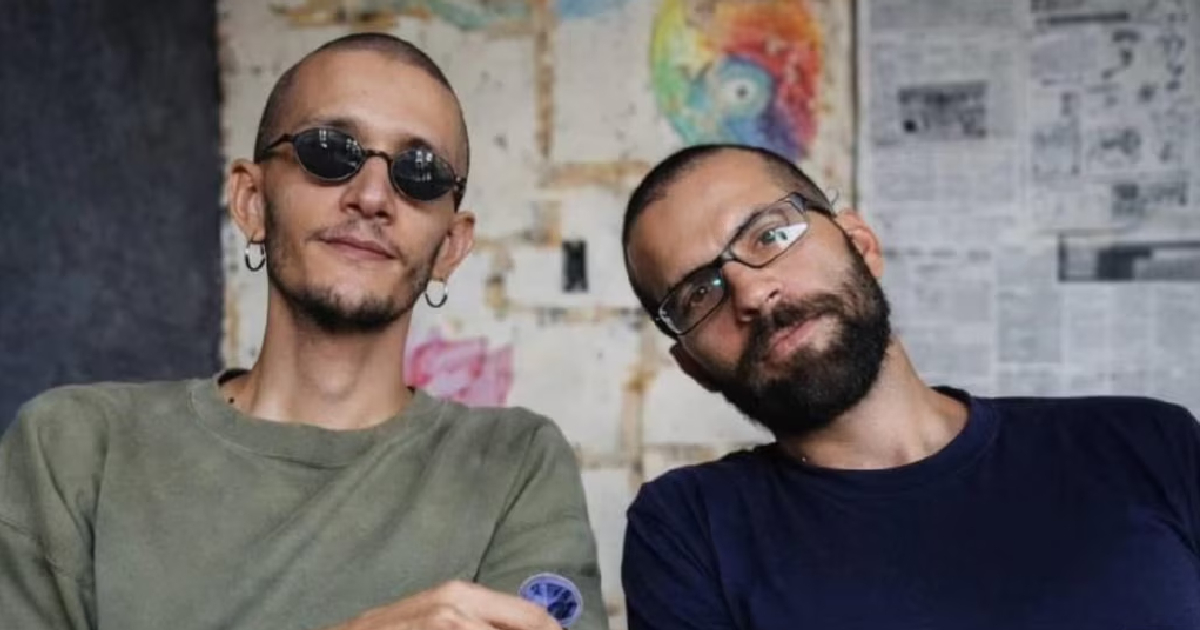
Mileydi Machín, mother of Ernesto Ricardo Medina, a member of the independent audiovisual project El4tico, published a message on Facebook this Monday that directly addresses Miguel Díaz-Canel, marking 72 days since her son's detention in Holguín without a trial date being set.
"Today marks 72 days since my son has been imprisoned. Our president says there are no political prisoners in Cuba, so what is he being accused of? Is he a terrorist? He might instill fear with a piece of paper and a pencil, with an idea," Machín wrote on his public profile.
The mother’s question takes on special significance because Díaz-Canel denied on April 12, during an interview with NBC's Meet the Press —his first appearance on U.S. television— that political prisoners exist in Cuba, describing that narrative as a great lie and slander.
Along with his message, Machín shared a handwritten letter that his son wrote from prison on April 2, in which Ernesto explains why he has repeatedly refused to record a video of "repentance and retraction" that the State Security has demanded.
"Since this process of repression and psychological torture began, a constant demand from State Security has been the production of a video on their terms," the young man wrote in the letter, signed with his initials EAB on crumpled and partially torn paper.
Ernesto presents three reasons for his refusal: first, that the video "would serve to reinforce a campaign to discredit El4tico"; second, that accepting it would imply "acknowledging that I did something wrong or rather, accepting the accusations against us"; and third, that "it would be a lie".
The young man concludes the letter by stating that his intentions "were in line with the 'spiritual Revolution' that the dying Cuba needs."
Machín closed his publication with a statement of resistance: "They may imprison him, but they cannot imprison his thoughts; nor those of the people. People may be silent, but they celebrate when one raises their voice against injustice."
Ernesto Ricardo Medina and his companion Kamil Zayas Pérez were that included a raid on their home and the confiscation of computers, phones, cameras, and audiovisual production equipment.
Both face charges of "propaganda against the constitutional order" and "incitement to commit a crime," with penalties of up to nine years in prison. A habeas corpus request submitted on their behalf was rejected by the Provincial Court of Holguín.
The activist and journalist José Raúl Gallego supported Ernesto's stance by stating that "recording a video does not improve the situation of the detainee, it merely provides evidence for the oppressor to incriminate them," and emphasized that the young people "are innocent and have nothing to retract or regret."
On April 8, Mike Hammer, head of the United States Embassy mission in Cuba, spoke with Doris Santiesteban, Ernesto's wife, and committed to continue demanding his release: "We will keep insisting that they must be released, just like all political prisoners. But they have done nothing wrong," Hammer stated.
Filed under: