
Related videos:
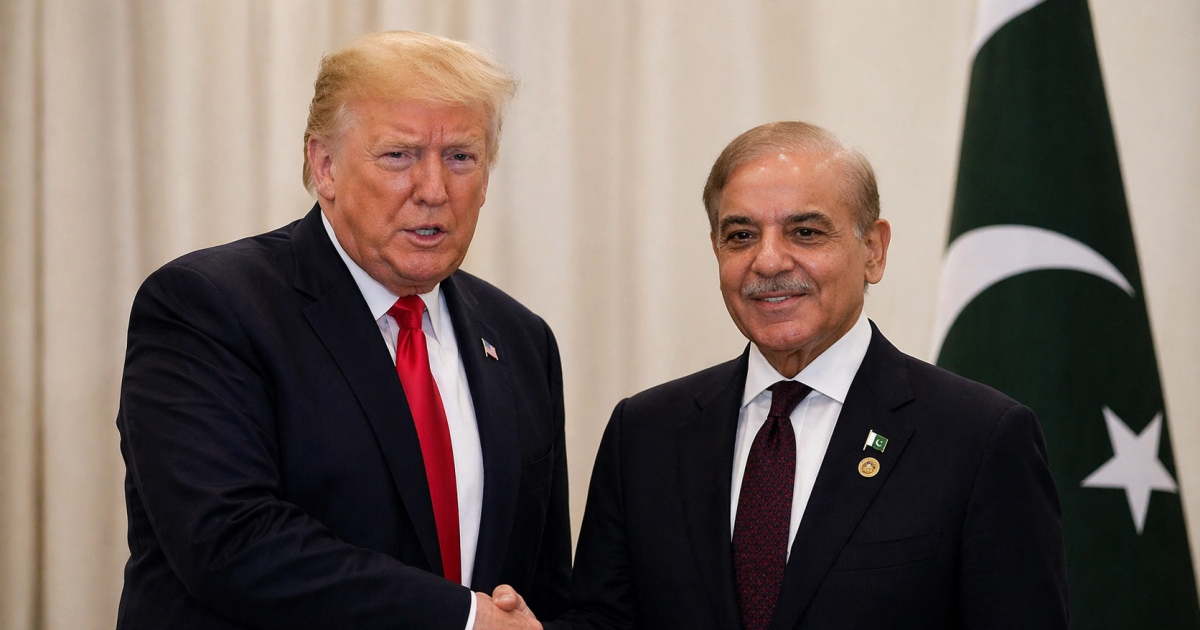
The president Donald Trump announced this Tuesday the extension of the ceasefire with Iran, at the express request of Field Marshal Asim Munir and Prime Minister Shehbaz Sharif of Pakistan, just hours before the original deadline set for April 22 was due to expire.
In a statement posted on Truth Social, Trump justified the decision by stating that the Iranian government is "seriously fractured" and needs time to develop a unified negotiation proposal.
"I have ordered our military forces to continue the blockade and, in all other respects, to remain ready and capable, and therefore I will extend the ceasefire until your proposal is presented and the discussions conclude, one way or another," wrote Trump.
The original ceasefire was agreed upon on April 7 for a duration of two weeks, as a result of 38 days of Operation Epic Fury, the joint offensive by the United States and Israel that began on February 28, 2026, which destroyed over 1,000 Iranian targets on its first day, including nuclear facilities in Natanz, Isfahan, and Fordow.
During that operation, the supreme leader Ali Khamenei died, a death confirmed by Iran on March 1, 2026, and 90% of Iranian missiles were destroyed, along with 95% of their drones, their navy, and air force, as well as 49 high-ranking officials in less than forty days.
The U.S. naval blockade, in effect since April 13 with more than 12 warships, 100 aircraft, and 10,000 troops, continues to cost Iran approximately 500 million dollars daily.
The Iranian internal fracture that Trump cites as the reason for the extension is real: the representative of the Supreme Leader to the Islamic Revolutionary Guard Corps, Abdollah Haji-Sadeghi, stated this Tuesday that "there are no negotiations for now", while the Speaker of Parliament, Mohammad-Bagher Ghalibaf, warned that Iran is preparing "new cards on the battlefield".
General Baqeri from the Revolutionary Guard Corps is said to have taken control of the negotiations in the last 48 hours, displacing Chancellor Abbas Araghchi, which reflects the growing influence of hardline sectors in Tehran.
Pakistan has been the only mediator accepted by both parties. Islamabad hosted the first round of talks on April 12, which lasted 21 hours without an agreement. The second round, scheduled for this Tuesday with Vice President JD Vance in Islamabad, was postponed due to uncertainty surrounding Iranian participation.
The positions of both parties remain very distant: Washington demands the complete dismantling of the Iranian nuclear program and a twenty-year moratorium on uranium enrichment, while Tehran offers only a five-year pause and demands $270 billion in compensations.
Trump stated in an interview with CNBC this Tuesday that he anticipates an agreement but prefers to negotiate from a position of strength, while the naval blockade continues to pressure an Iranian economy on the brink of collapse.
Filed under: