
Related videos:
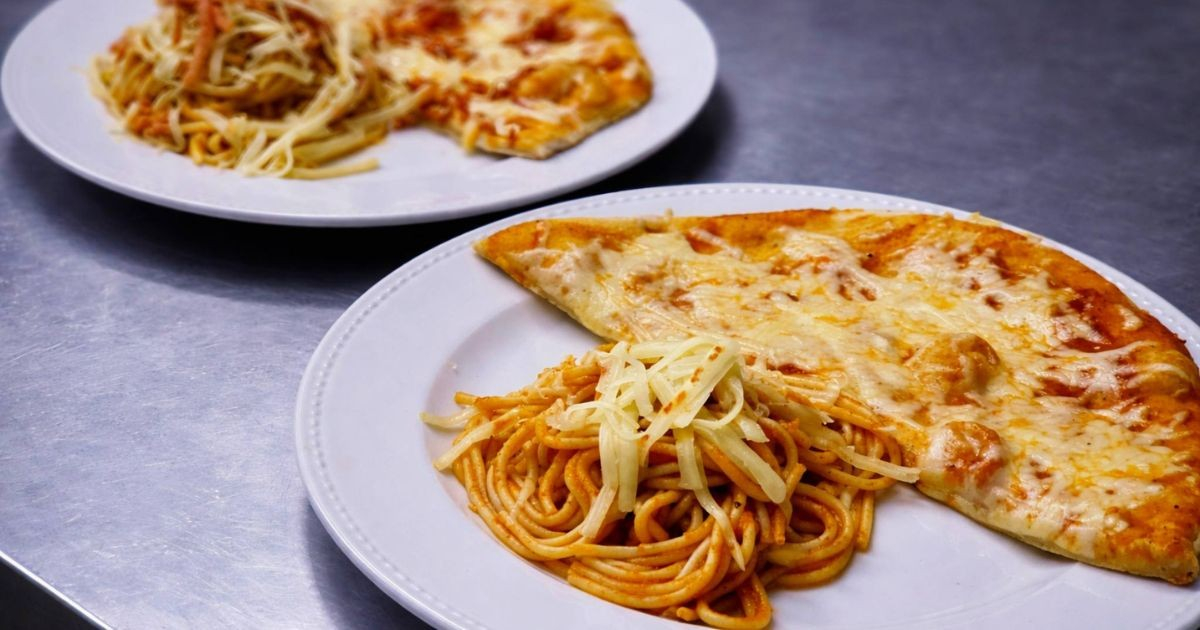
The restaurant of Hotel E Velasco y Louvre, in the Historic Center of Matanzas, announced on Facebook the addition of pizzas and spaghetti to its menu, but failed to publish prices, currency for payment, or methods of payment, which sparked a flood of questions in the comments.
Under pressure from dozens of users, the establishment —part of the state chain Cubanacan Hoteles— finally responded with the details.
"It is in local currency. Payment can be made by POS, QR code, or in cash. The pizzas are priced at 1,000 pesos, and the toppings range from 200 to 500," they reported.
The first reaction of many was to assume that the prices were in dollars or in freely convertible currency, reflecting the accumulated distrust towards Cuban state hotels, which often operate with a dual currency system.
Meily Triana was one of the first to express it: "Yes, but I think it's in dollars."
The hotel had to clarify repeatedly that the charge was in Cuban pesos.
Yoly de León summarized the collective frustration: "There are people who ask if it is in dollars and do not receive a clear answer, others want to know if they can pay through Transfermóvil and they do not get that information either. There is a lack of comprehensive information regarding payment methods, currency, and prices."
User Naydelis Verrier pointed out a common practice in the country: "They never publish the prices."
Iván Ulloa Domínguez was more straightforward and warned that "some things may be priced in dollars."
The price of 1,000 pesos for a pizza is rather high considering that the average state salary was 6,930 pesos in 2025, which is equivalent to just 13 dollars at the unofficial exchange rate. A single pizza would thus represent about 14% of a state worker's monthly salary.
This is not the first time that pizza prices in state-run establishments have sparked controversy.
In 2022, a cheese pizza in state-run restaurants in Sancti Spíritus cost between 280 and 300 pesos, a figure that already shocked many consumers at the time.
Shortly after, Palmares S.A. raised that price to 470 pesos, solidifying an upward trend that has not stopped.
The episode at the Hotel Velasco illustrates the ever-widening gap between the cost of food and the actual purchasing power of the Cuban population, a tension that is even reflected in the distrust with which users view a simple advertisement on social media.
Filed under: