
Related videos:
The Ministry of Inclusion, Social Security and Migration of Spain recorded more than 130,000 extraordinary regularization requests from migrants in the first week of the process, as reported this Friday by the department led by Elma Saiz.
Requests, submitted both electronically and in person, represent approximately 26% of the half a million regularizations that the Government hopes to achieve with the measure, according to the newspaper El País.
In addition to the applications, 55,000 appointments have been scheduled until April 30, with no incidents reported. The ministry assured that the process "is proceeding normally and is meeting all expectations."
The process started on April 16 with the opening of online applications, and last Sunday, in-person appointments began to be attended at more than 400 authorized offices across the country.
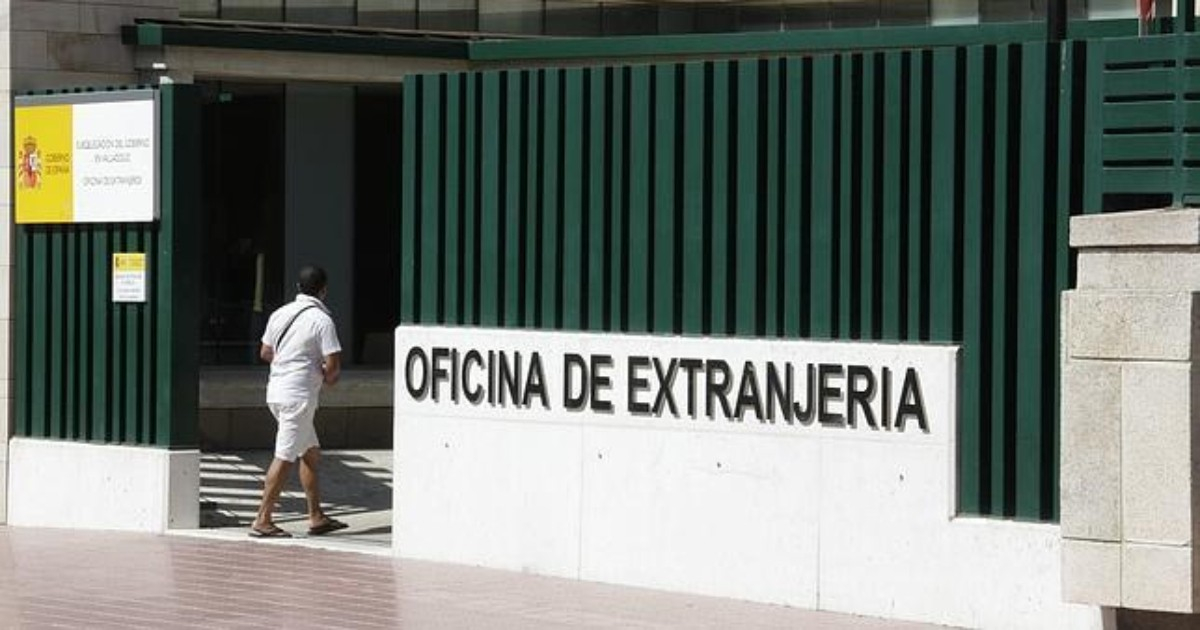
On the first day of in-person services, long lines and chaos were reported at the offices, and the confusion led many undocumented immigrants to show up without an appointment to seek information or directly request regularization.
The deadline for both processes remains open until June 30, and the obtained authorization grants the right to work in any sector and anywhere in the country for one year.
The main bottleneck of the process is the certificate of vulnerability, required for those applying for regularization through this route, which has overwhelmed municipal social services.
In Catalonia, social workers report having 8,000 appointments until June and being unable to meet further demand.
To address these challenges, the Secretary of State for Migration and the Spanish Federation of Municipalities and Provinces agreed to sign a technical cooperation agreement to streamline procedures and enhance the flow of information across the national territory.
There are more than 300 collaborating entities registered with a presence throughout the country that participate in the accreditation process.
In the political arena, the Community of Madrid, led by Isabel Díaz Ayuso, filed a appeal to the Supreme Court against the Royal Decree, which was accepted for processing last Tuesday, also requesting its precautionary suspension.
The central government accused some municipalities of the Partido Popular of "boycotting" the process due to "racist and xenophobic instructions" from Alberto Núñez Feijóo.
For the Cuban community in Spain —which reached approximately 287,490 registered individuals by the end of 2025— regularization represents a historic opportunity but faces specific obstacles: the legalization of documents at the Spanish Consulate in Havana takes between four to six months, compounded by the bureaucracy of the Cuban regime and frequent power outages, making it difficult to meet the June 30 deadline.
Spain had not conducted a mass regularization since 2005, when the Zapatero government regularized about 700,000 people, making this measure the most significant in migration policy in 21 years.
Filed under: