
Related videos:
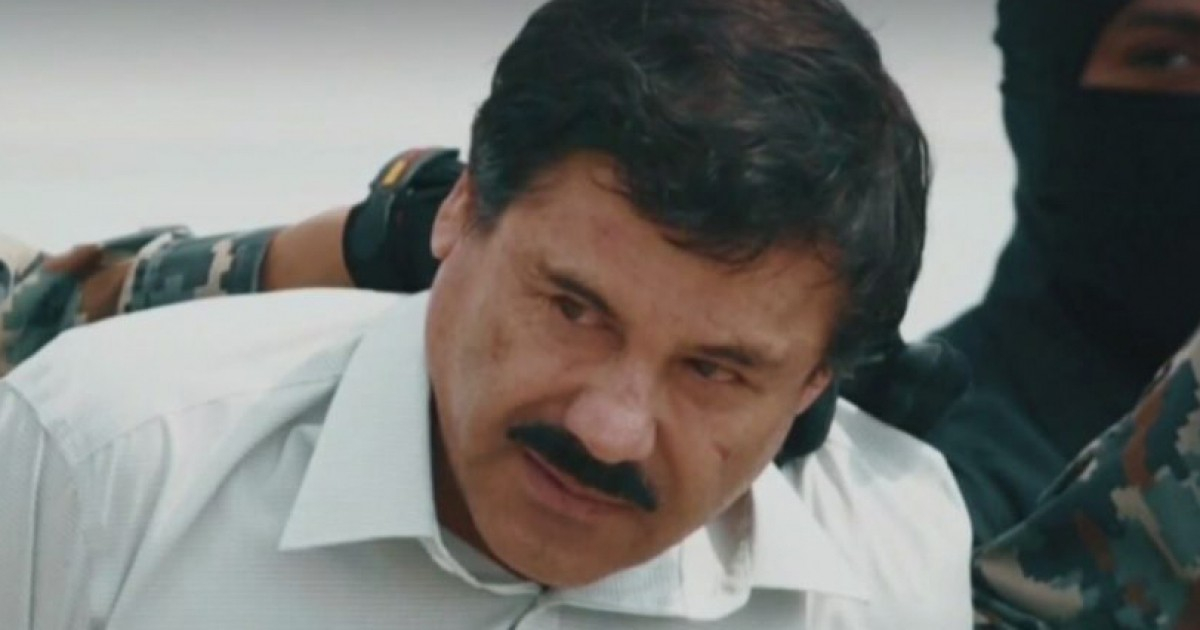
Joaquín "El Chapo" Guzmán Loera sent a new handwritten letter to the federal court for the Eastern District of New York requesting to be extradited to Mexico to face charges in his home country, in a move that legal experts consider almost unlikely to succeed.
The document, dated April 23 and formally received by the court on May 1, was processed through the Pro Se office of the Brooklyn court, confirming that the drug trafficker acted on his own, without the support or signature of his defense attorneys.
The letter, written in grammatically incorrect English, appeals to concepts of "equity" and argues that his procedural rights were systematically violated during his trial, according to a report from Univisión.
Guzmán argues that there were compelling evidence in his favor that was never presented during the trial, which in his view would justify the immediate annulment of his conviction.
The drug lord also suggests that a supposed appeal in process should grant him the right to a new trial, and he requests that Mexico and the United States collaborate to facilitate his transfer to Mexican territory.
This letter is the most recent in a series of communications that Guzmán has sent from prison.
On April 10, I had already submitted another letter to Judge Brian Cogan—filed in court on April 17—invoking the First and Eighth Amendments of the U.S. Constitution to demand fair treatment.
In that letter, he wrote: "This is a courteous letter from the Political Constitution of Mexico regarding the authority and the laws of the United States concerning my extradition to receive fair treatment in this country."
The legal context makes it practically impossible for any of these requests to succeed. The Brooklyn jury found Chapo Guzmán guilty on February 12, 2019, on all ten charges presented, which included continuing criminal enterprise, trafficking in cocaine, heroin, marijuana, and methamphetamines, illegal use of firearms, and money laundering.
Months later, Judge Cogan sentenced Chapo to life in prison plus an additional 30 years and ordered the forfeiture of over 12 billion dollars on July 17, 2019.
In December 2022, the Second Circuit Court of Appeals upheld the validity of the verdict, dismissing all arguments presented by the defense.
In 2023, the Supreme Court of the United States declined to review the case, effectively exhausting all available federal resources for the person from Sinaloa.
Guzmán is serving his sentence at the ADX Florence prison in Colorado, known as the "Alcatraz of the Rockies," under Special Administrative Measures, a regime of extreme isolation that keeps him in a individual cell for 23 to 24 hours a day with no contact with other inmates.
His formal defense, led by attorney Mariel Colón Miró, is simultaneously pursuing a civil action in the District of Denver, alleging constitutional violations and reporting that El Chapo could be taken to prison in Colorado from the moment of his sentencing, as did occur.
The defense reports that Guzmán suffers from nocturnal tachycardia, chronic sinusitis, ear pain, a dental infection that has gone untreated for over a year, weight loss, and cognitive decline.
The Brooklyn Court has incorporated the letter into the case file, but has not issued a public response, and the Chapo's lawyers could challenge the conviction through various avenues, although all have proven unsuccessful so far.
Legal experts agree that this new letter will not bring any change to the legal status of the drug trafficker, who stated in the 2019 sentencing hearing: "It is the most inhumane thing I have experienced in my life," referring to his conditions of incarceration.
Filed under: