
Related videos:
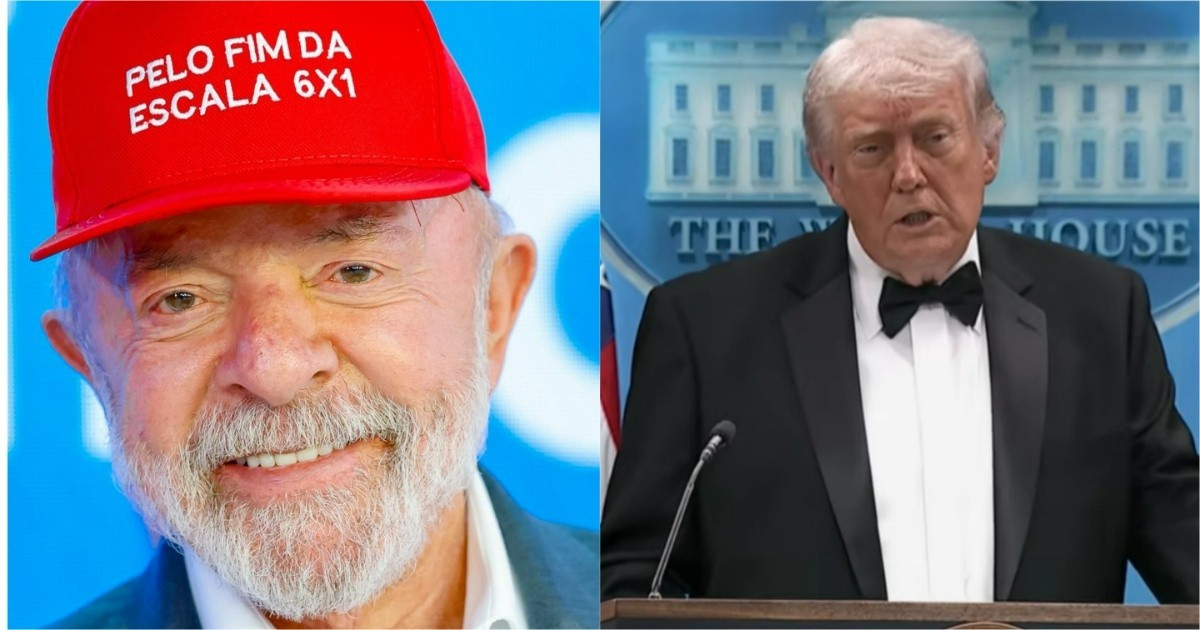
The Brazilian president Luiz Inácio Lula da Silva traveled to Washington this Wednesday for his first official visit to the White House during the second term of Donald Trump, with a working meeting and lunch scheduled for this Thursday.
The visit, initially scheduled for March, was postponed partly due to the commencement of the joint incursion by the United States and Israel into Iran, and it arrives at a time of heightened diplomatic tensions between two governments situated at political opposites, according to the EFE agency.
The agenda of the meeting is primarily economic: Brazil seeks to avoid new restrictions on bilateral trade at a time when Washington is investigating alleged unfair trade practices by Brasilia.
One of the main friction points is the instant payment system PIX, created by the Central Bank of Brazil, which the Office of the United States Trade Representative accuses of granting anticompetitive advantages over private companies such as Visa and Mastercard.
The Brazilian Minister of Finance, Dario Durigan, stated this Wednesday that Brazil is willing to "clarify any doubts that the United States may have regarding the Brazilian payment system, in order to counter undue lobbying concerning PIX."
PIX has around 175 million users in Brazil and accounts for nearly half of the country's financial transactions, making it a dominant player that has displaced large international operators.
A possible cooperation agreement on critical minerals and rare earths will also be discussed, a matter of high geopolitical interest for Washington: Brazil possesses the second largest global reserves of these resources and wants to use them to boost its industry.
Cooperation against international crime completes the main topics of the meeting, issues that are also at the center of the Brazilian electoral debate in the run-up to the presidential elections in October 2026.
The relationship between both leaders has experienced significant ups and downs. Following an apparent easing of tensions at the ASEAN summit in Malaysia last October, where Lula described the dialogue as "frank and constructive," tensions intensified due to the U.S. military operation in Venezuela that captured Nicolás Maduro, Trump's war against Iran, and the new pressures against Cuba.
Lula has become one of the most critical voices against Washington's interventionism in Latin America, a stance that has led to direct clashes with the Trump administration.
On a bilateral level, the relationship further deteriorated in recent days following Washington's expulsion of a Brazilian police officer stationed in Miami, which led Brazil to revoke the credentials of a U.S. official in Brasília and to file a formal protest, the second in two months.
In March, Brazil also denied the visa to Trump’s advisor Darren Beattie, who intended to visit Jair Bolsonaro in prison, sentenced to 27 years for leading an attempted coup against Lula.
The most acute antecedent of the trade tension was Trump's decision to impose a 50% tariff on Brazil in July 2025, a measure that Brasília deemed "offensive and unacceptable" and that Trump explicitly linked to the judicial proceedings against his ally Bolsonaro.
In the electoral landscape, the issues of critical minerals and the fight against crime are central both to the bilateral agenda and in the upcoming campaign for October 2026, where Lula and Flávio Bolsonaro, son of the former president, emerge as the main candidates for the presidency of Brazil.
Filed under: