
Related videos:
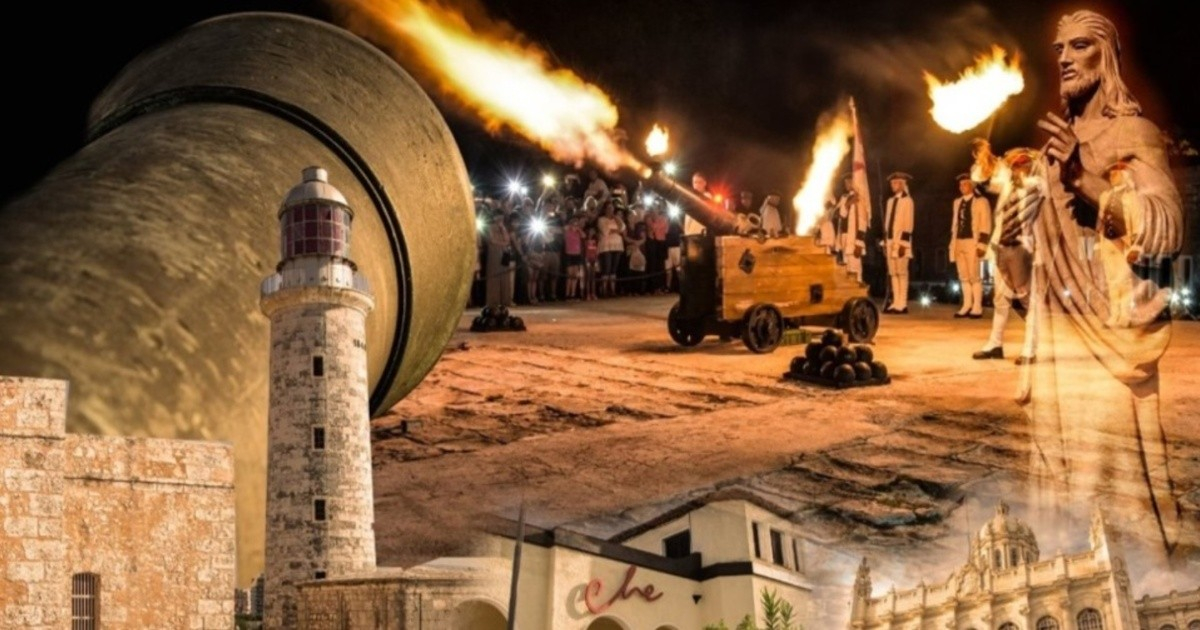
The Morro-Cabaña Military Historical Park has issued a formal call for private entrepreneurs and cultural managers to develop projects within its facilities, marking a significant shift for an institution operated by the Ministry of Revolutionary Armed Forces.
The announcement, published on the official Facebook page of the park and coinciding with its 33rd anniversary, invites independent actors from new economic management models, event organizers, artists, and entertainment entrepreneurs to utilize the spaces of the heritage complex located at the entrance to Havana Bay.
"The Morro-Cabaña Military Historical Park opens its doors to a new stage of collaboration," the announcement states, promising to be "an institutional partner committed to creating the conditions for your project to shine."
The park offers outdoor spaces, air-conditioned theaters, event halls, moats and walls, more than 100 vaults, the Terrace of Pavilion K, the San Ambrosio Gazebo, and the Patio of the Jagüeyes.
The sought-after activities range from concerts, theater, and outdoor cinema to weddings, quinceañeras, birthdays, dog shows, martial arts, cosplay, themed fairs, picnics, and camping.
The announcement uses the concept of "productive chain" to describe the relationship it seeks to establish with the private sector, a term commonly found in the official Cuban discourse regarding the so-called update of the economic model.
The fact that an institution under military auspices formally opens its doors to the private sector in cultural and heritage spaces marks a significant shift in focus, driven by the need to generate income amid the deep economic crisis facing the Island.
The complex, which includes the Castillo de los Tres Reyes del Morro —built between 1589 and 1630— and the Castillo de San Carlos de la Cabaña —constructed between 1763 and 1774— was declared UNESCO World Heritage Site in 1978.
In February of this year, the newspaper Tribuna reported the postponement of events at the venue due to the severe energy crisis affecting Cuba.
Just last Friday, the park had already hosted a series of presentations by state tourism companies such as Ecotur, Gaviota, and Iberostar, suggesting a broader strategy for revitalizing the area.
The opening contrasts with the historical restrictions that the Cuban state has imposed on the non-state sector in economic activities, including the list of prohibited activities for private individuals that the Ministry of Labor and Social Security published in 2021.
Those interested should come to the Offices of the Park's Directorate, located inside the San Carlos de la Cabaña Fortress, or to the Central Office of the Complex of Historical Military Museums (CMHM).
"Let the cannons fall silent so that the music can play, the theater can flourish, the laughter of a wedding can echo, or the barks of a dog show can be heard over the bay," concludes the call, which encapsulates in one phrase the transformation that the regime seeks to promote in one of the most emblematic heritage sites in the Caribbean.
Filed under: