
Related videos:
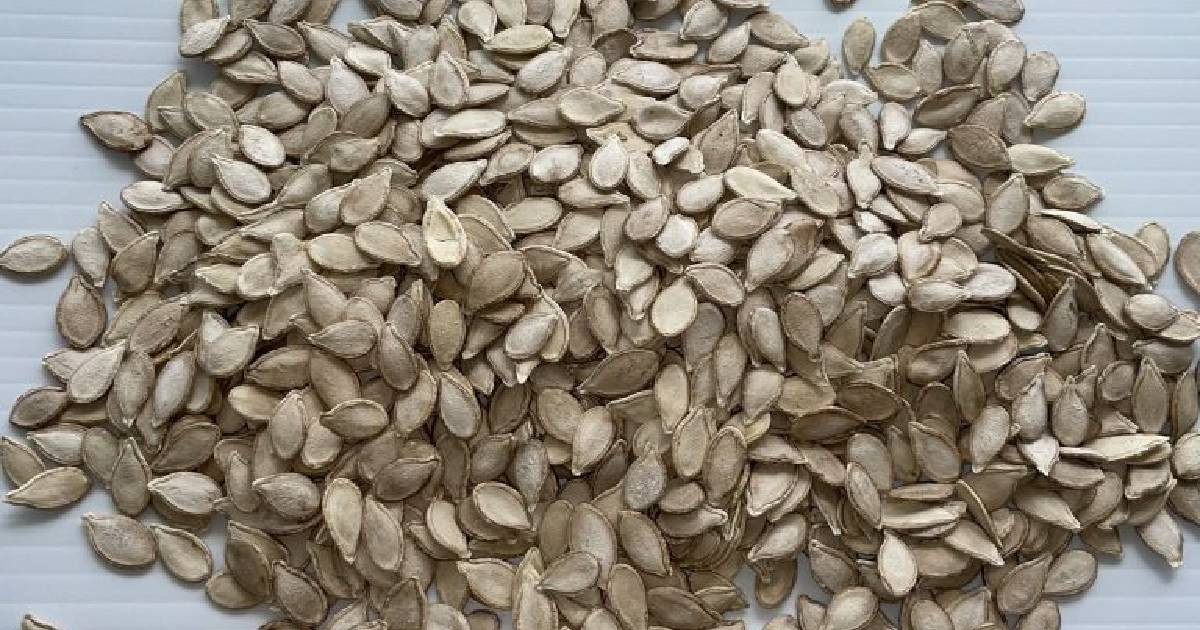
The official newspaper La Demajagua, the official organ of the Communist Party in Granma, published an article this Saturday promoting the consumption of pumpkin, sunflower, sesame, pomegranate, cashew, amaranth, and cowpea seeds as a means to strengthen "food sovereignty" amidst the scarcity, representing a new episode of the regime's propagandistic pattern in the face of the food crisis.
The text, in an educational tone, acknowledges from its very first paragraph that Cuba is going through "times of food scarcity" and suggests incorporating these seeds into breads, broths, salads, creams, and smoothies as a low-cost nutritional alternative.
The irony of the moment is not lost, as La Demajagua is published from one of the provinces most affected by hunger in all of Cuba.
According to the survey "In Cuba There is Hunger 2025" from the Food Monitor Program, published recently, 78.9% of the population of Granma is experiencing hunger, more than double the national average of 33.9%.
That same survey, which revealed that one in three Cuban households went hungry in 2025, also indicates that 25% of Cubans go to bed without dinner and that 29% of families have eliminated one meal per day.
The article from La Demajagua acknowledges, almost in passing, that previous attempts by the regime to diversify agricultural production have failed.
"It's a pity that the attempt to expand its cultivation has not succeeded," the article states about amaranth, a plant that the state itself promoted unsuccessfully.
This recognition of failure does not prevent the text from concluding with official optimism. "In this way, not only would the agricultural biodiversity of the country be better valued, but food sovereignty would also be strengthened," it predicts.
The piece is part of a series of propaganda initiatives that the regime has implemented in recent years to replace real solutions with survival alternatives.
In August 2025, the University of Oriente defended moringa as superior to yogurt, milk, and spinach combined.
In December of that year, a regime official asked Cubans to stop eating potatoes and rice because "they are not Cuban foods."
In April 2026, Artemisa introduced stevia cultivation as an alternative to sugar, while its only sugar mill produced less than 40% of the planned output.
In that same month, a report revealed that five provinces are at critical levels of food security: Havana, Matanzas, Cienfuegos, Guantánamo, and Santiago de Cuba.
The structural backdrop is devastating, as Cuba imports between 70% and 80% of its food, with estimated spending of $2 billion annually, while domestic production continues to plummet.
According to official data, pork declined by 93.2%, rice by between 59% and 81%, eggs by 43%, and milk by 37.6%.
Days ago, the leader Miguel Díaz-Canel declared to foreign communists that Cuba "will eat what it is capable of producing," while the Deputy Prime Minister Jorge Luis Tapia Fonseca acknowledged that the progress of the Food Sovereignty Law is "far from what the people expect."
Filed under: