
Related videos:
The Cuban ambassador to Guyana, Jorge Francisco Soberón Luis, is pushing for Cuban biotechnological medications—including treatments for cancer and diabetes—to be available in that Caribbean nation, representing a new strategy of the regime to maintain commercial ties following the collapse of its medical mission in the region.
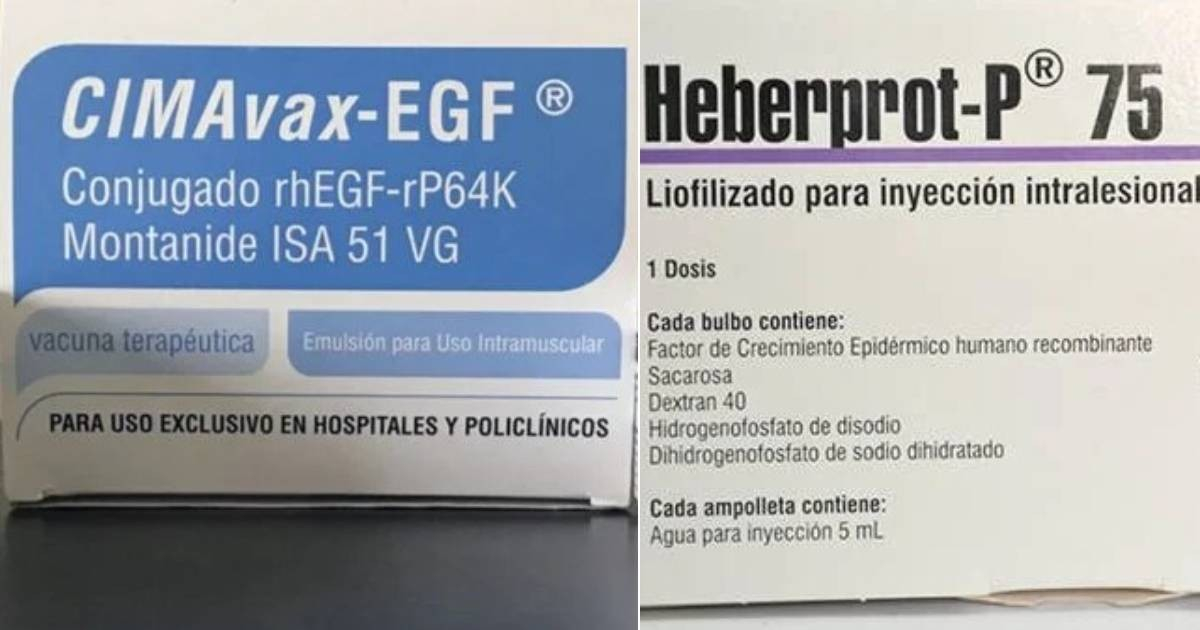
In a recent appearance on the SOURCES talk show, the diplomat highlighted two products in particular: Heberprot-P, a medication to reduce the risk of amputation in patients with diabetes, and CIMAvax-EGF, a therapeutic vaccine for lung cancer.
"In addition to vaccines to combat COVID-19, Cuba has managed to produce unique biotechnological drugs to fight amputation, for example, in cases of diabetes, such as Heberprot-P. We also have unique drugs to combat cancer; for instance, I recall CIMAvax for lung cancer," declared Soberón Luis.
The ambassador argued that Cuba has been investing in biotechnology for decades since the 1980s, which has allowed it to develop several vaccines against COVID-19, and that the country has a conglomerate of over 35 companies that export pharmaceutical products to more than 40 countries.
Guyana is facing a sustained increase in cases of diabetes, hypertension, and various forms of cancer, making the country a potential market for these drugs, especially during a period of economic boom driven by oil.
However, the Cuban regime's biotechnology offensive comes amid a backdrop of diplomatic deterioration. Between February and March of this year, Cuba withdrew its Medical Brigade from Guyana after nearly half a century of cooperation, failing to reach a new bilateral agreement.
The Guyanese Minister of Health, Dr. Frank Anthony, stated in March that it was Cuba that made the decision to withdraw the brigade while a new agreement was still being negotiated.
Ambassador Soberón Luis, on the other hand, stated on May 8 that the reason was the lack of Guyanese approval for the new agreement. "We had a valid agreement that was being implemented. At a certain point, there was an intention to modify it. We held discussions about possible changes, but a new agreement was not approved," he pointed out.
This withdrawal is part of a regional wave of cancellations driven in part by pressure from the United States. Since early 2025, Washington has pressured countries in Latin America and the Caribbean to end their medical cooperation with Cuba, citing forced labor and human trafficking.
Jamaica also canceled its program in March 2026, withdrawing 277 Cuban healthcare professionals after nearly fifty years of agreement.
In light of the loss of income from medical missions, the regime is now seeking an alternative way to generate foreign currency through the export of biotechnology products, while Cuba faces a critical shortage of medications for its own population.
Guyana has chosen to hire Cuban doctors individually, without the previous state intermediation scheme, but the ambassador insisted that Cuba is willing to continue medical cooperation with that country: "We will continue to advocate for establishing and deepening these collaborations between Cuba and Guyana, as Cuba is prepared to share this knowledge and these products with Guyana."
Filed under: