
Related videos:
The Ebola outbreak declared in the Democratic Republic of the Congo (DRC) has already resulted in more than 130 deaths and has raised health alerts worldwide after being declared an international emergency by the World Health Organization (WHO) last Sunday.
The Congolese Minister of Health, Roger Kamba, reported "131 probable deaths" in recent hours, while the government spokesperson and Minister of Communication, Patrick Muyaya, stated that there are 116 suspected deaths during a press conference held yesterday. The WHO, for its part, maintains that there are 88 confirmed deaths, including one case detected in Uganda originating from Congo.
"The epidemic has already claimed the lives of 116 people," said Muyaya, who warned that "the spread of the disease to new areas raises concerns about the risk of increased transmission in densely populated regions, characterized by significant population movements."
The outbreak was officially declared on May 15 and is the seventeenth recorded in the DRC since the virus was first identified in 1976. The main focus is located in the province of Ituri, in the conflict-ridden eastern Congo, where the virus began to circulate in late April, more than a month before it was identified, complicating contact tracing.
The detected strain is the Bundibugyo, for which there is no approved vaccine or specific treatment, unlike the Zaire variant. Its fatality rate ranges between 25% and 40%, according to Doctors Without Borders. This is only the third outbreak of this variant in history, following those that occurred in Uganda between 2007 and 2008 and in the DRC itself in 2012.
The virus has already spread to the localities of Katwa in North Kivu and Nyankunde in Ituri, with confirmed cases in Kinshasa and Goma. Outside the country, Uganda reported two cases in Kampala —including one death, a 59-year-old Congolese citizen who died on May 14— and South Sudan detected a case near the Congolese border.
The international response was immediate. Rwanda closed its border with the DRC; Kenya intensified health controls at airports and customs; Uganda deployed rapid response teams; and the East African Community urged its eight member states to enhance surveillance. The WHO sent 18 tons of medical supplies, while the Congolese government declared a state of emergency and contributed seven additional tons with support from international partners.
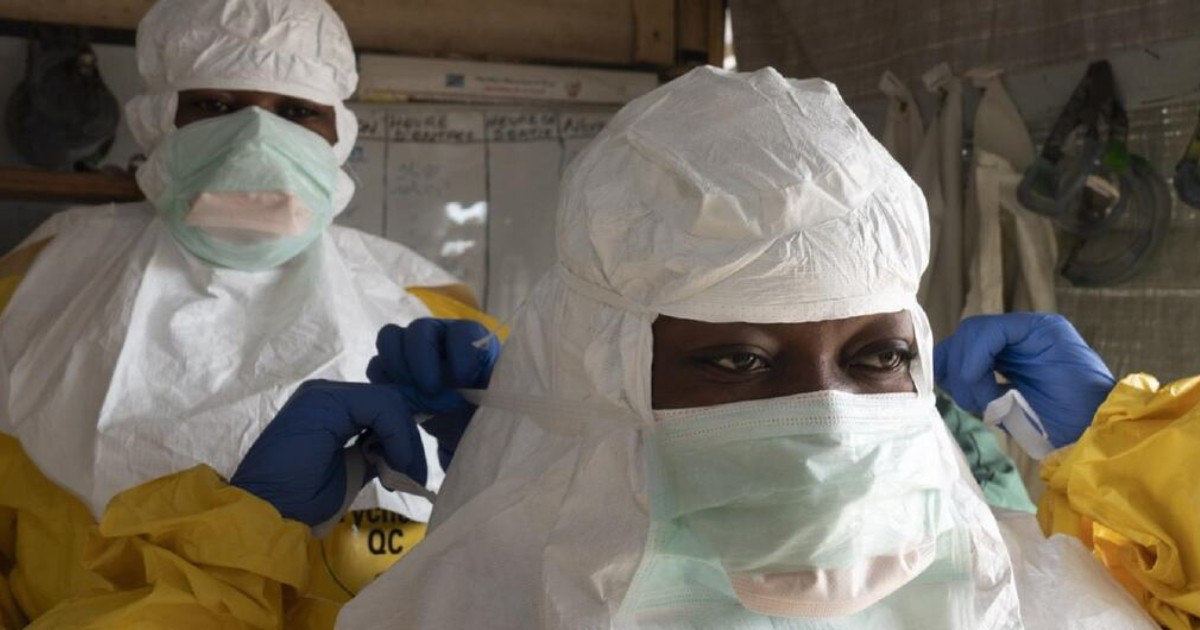
The control of the outbreak faces serious obstacles. In Ituri, more than 100 armed groups operate, including the Cooperative for the Development of Congo (Codeco) and the Allied Democratic Forces (ADF), which have links to the Islamic State. Insecurity has led to over 273,000 internally displaced persons according to the UN, complicating health deployments and encouraging unsafe burial practices. At least four health workers died in the affected area, raising concerns over failures in prevention protocols.
Muyaya urged the population to "strictly adhere to public health measures," recommending frequent handwashing and avoiding all contact with dead animals and corpses. The WHO warned that the outbreak is "potentially much larger" than what has been detected so far, given that the virus circulated for weeks without being identified, and cases have now reached the capital of the country.
Filed under: