
Related videos:
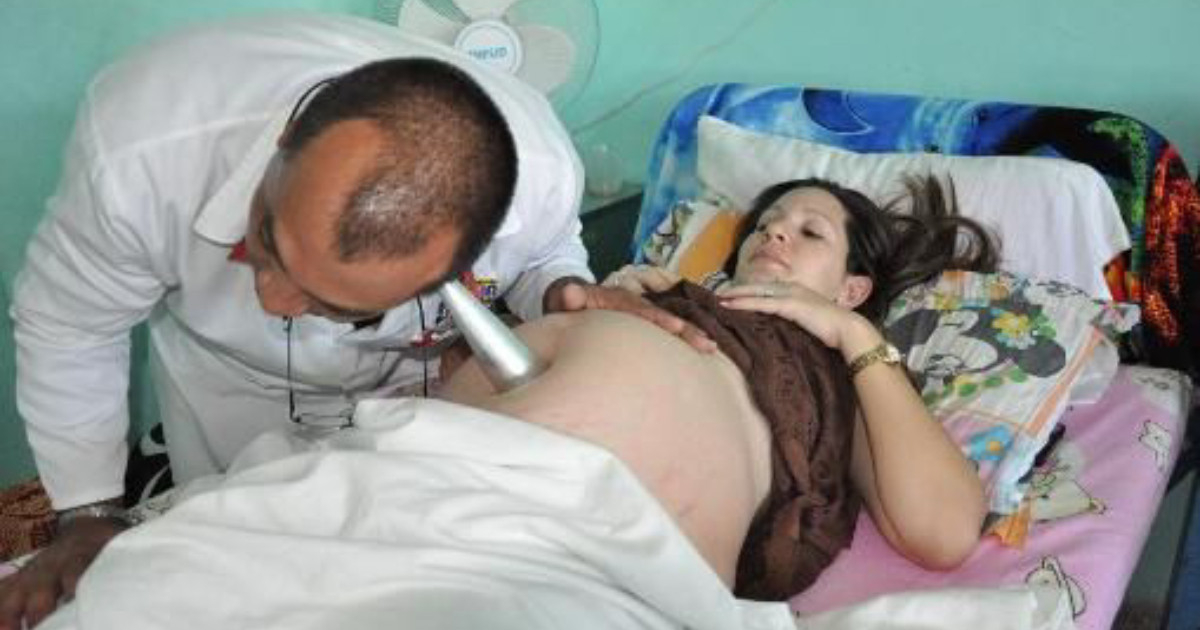
The province of Las Tunas closed the first quarter of the year with a teenage pregnancy rate of 21% and a low birth weight rate of 7.7%, alerted this Sunday the official newspaper 26.
The most alarming statistic is the increase of 70 adolescent pregnancies recorded just in April, which raised the provincial rate from the previous 18% to the current 21%, well above the national average, emphasized, the general director of Health for the area, Ariel Guevara Bringa.
"We have eight deceased newborns to date. Low birth weight is concentrated in just three municipalities: Amancio, Las Tunas, and Puerto Padre, primarily associated with preterm births. We must focus on combating anemia, insufficient weight gain, and social risks," stated Guevara.
Despite these critical indicators, the province has kept maternal mortality at zero and has recorded over 300 live births in the first four months, the source reported.
The health director urgently called for improvements in the conditions of maternal homes and for increasing their occupancy rate, noting that the duration of gestating women in these centers can be crucial.
"With their presence in these spaces, we can make a difference between a preterm birth and a full-term birth, between an avoidable low weight and a healthy newborn," she emphasized.
Guevara also warned about the need to "prevent the departure of pregnant women from hospitals" and highlighted positive examples such as the maternal home in the municipality of Colombia and the one in Amancio, the latter having agreements with cooperatives to strengthen its services.
Regarding the blood supply, it was reported that the bag donation plan was fulfilled at 114% for the quarter, although it was acknowledged that "this month, there is a noticeable shortage of blood. Blood cannot be replenished with anything other than blood."
In January 2023, the eastern province was already at the top of the national ranking for teenage pregnancy with a rate of 22.7%, compared to a national average of 17.8%.
The chronic shortage of contraceptives and the exodus of healthcare professionals worsen a situation that the regime has been unable to reverse with decrees.
At the national level, the infant mortality rate closed 2025 at 9.9 per one thousand live births, compared to 7.1 in 2024, representing a deterioration of 39% in just one year. Authorities in Las Tunas cite a national reference rate of 9.3 per one thousand live births.
In May, the Deputy Minister of Public Health, Julio Guerra Izquierdo, acknowledged that the adolescent fertility rate in Cuba is around 19% and that the decrease between 2024 and 2025 was only one percentage point.
"There has been a 1% decrease between 2024 and 2025; we are still not satisfied with what has been happening," she pointed out.
In April 2026, the United Nations Children's Fund (Unicef), the United Nations Population Fund (Unfpa), and the European Union launched a joint 36-month program with a budget of one million euros, specifically targeting municipalities in Las Tunas, Camagüey, Holguín, and Granma. This initiative implicitly acknowledges that these eastern provinces have the worst indicators in the country and that national policies have not been sufficient to reverse the trend.
Filed under: