
Related videos:
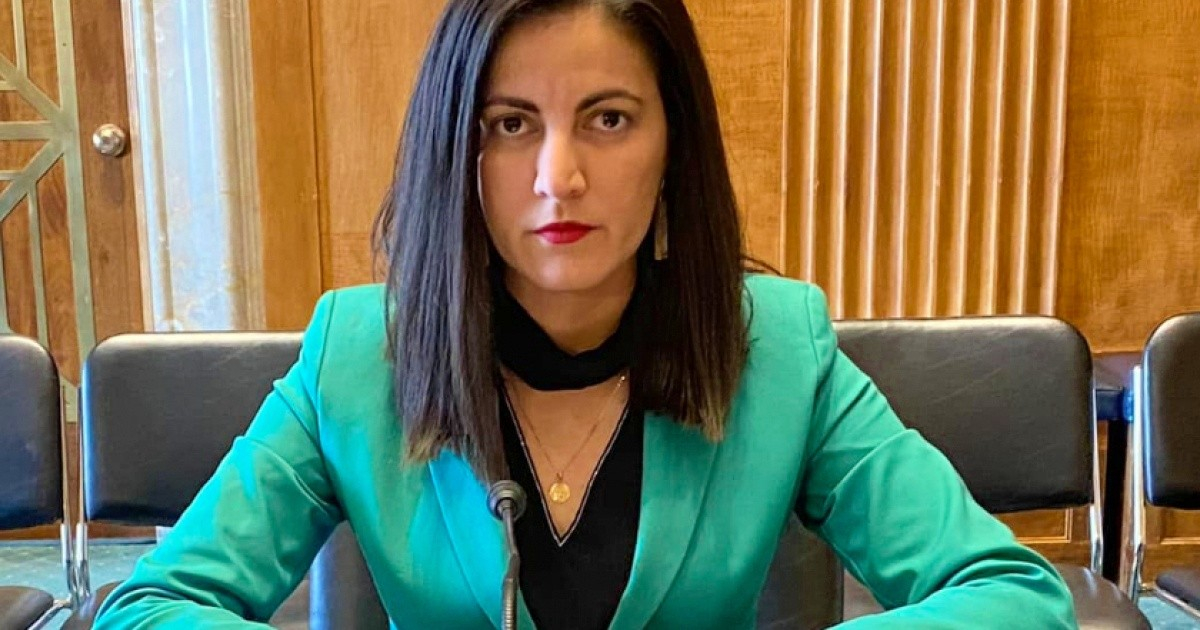
Rosa María Payá, leader of the Cuba Decide platform, called on Monday to unite the Cuban democratic forces —both inside and outside the island— to prepare for a political transition.
The statements were made during her speech at the III Diario de Cuba Forum 2026 held in Madrid.
"It is a crucial moment for the history of Cuba, which also requires the coordination of Cuban democratic forces, a concept that is very broad," stated Payá.
Additionally, he issued a direct warning: "Either we organize and provide a democratic alternative to the Cuban people, or history will run us over."
The forum, titled "For the Cuba of Tomorrow," takes place a day after the Liberation Agreement was ratified in Madrid by Cuban organizations in Europe, during an event of Pasos de Cambio held at a hotel in Plaza de España.
The agreement, which Payá described as "a completely open process, a living document," was originally presented on March 2 in Miami, signed by Pasos de Cambio and the Assembly of the Cuban Resistance. It includes three phases: liberation, stabilization, and democratization.
Payá emphasized the urgency of being prepared: "We need a minimum plan to be as ready as we can be when power fractures in Cuba. But just as important is having people ready to engage in that process."
Regarding the situation on the island, she was categorical: "It is evident, unequivocal, undeniable the desire for change and the demands of the Cuban people, who are experiencing a humanitarian catastrophe, extremely high levels of repression at this moment, and yet, despite that, risk their bodies for change, because it is existential."
Regarding Washington's role, he positively assessed the pressure from the U.S. administration, noting that it is the first time in the history of communism that a foreign government exerts "concrete and effective pressure" on the Cuban rulers.
"Whether it comes from the United States or not, international pressure is essential for political change in our country," he stated, adding that the dialogue with the American administration is "very candid and systematic."
Among the measures he deemed a priority are the release of all political prisoners and the guarantees of fundamental rights, actions that, he stated, "cost no money and can be done in 24 hours."
He was equally clear about who cannot be part of the process: "The Castro family, the group of generals, which has been in power for 67 years, cannot be in power for this process to begin."
The forum featured other notable interventions. Armando Chaguaceda Noriega stated that without the end of castroism "it is not possible to halt the democratic deterioration of Cuba and Latin America," and he denounced the "notable and bidirectional link" between Mexico and Havana.
Johanna Cilano Peláez from Amnesty International urged that "victims and human rights should be at the center" of any dialogue for political change.
Payá also remembered his father Oswaldo Payá and Carlos Alberto Montaner, the father of journalist Gina Montaner, the moderator of the forum. "They were friends and fought hard for this change that they will not see."
"The future of Cuba is in Cuba, and change happens in Cuba," concluded Payá, summarizing the central message of his speech.
Filed under: