
Related videos:
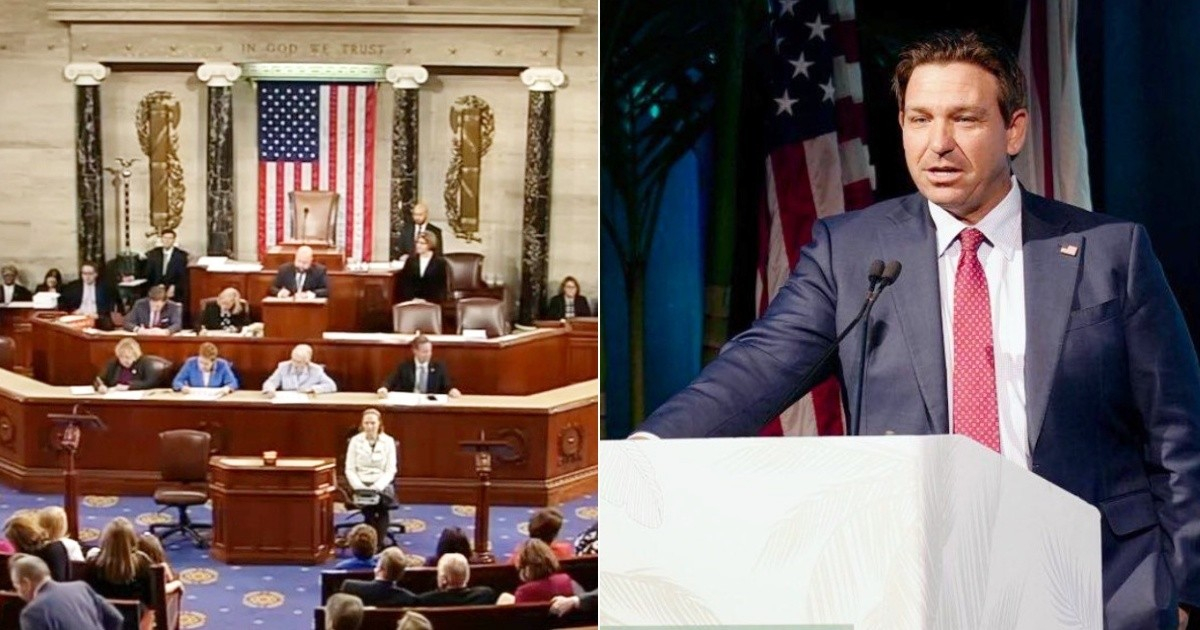
The Florida Legislature approved on Tuesday during a special session in Tallahassee the constitutional amendment HJR 1F, pushed by Governor Ron DeSantis, aimed at reducing the property tax on primary residences.
The measure was approved by 75 votes to 26 in the House of Representatives and by 30 to nine in the Senate, largely following party lines.
Three Democratic senators -Mack Bernard from West Palm Beach, Daryl Rouson from St. Petersburg, and Barbara Sharief from Miramar - voted in favor alongside the Republicans.
What changes with this reform?
The plan would raise the primary residence exemption from the current $50,000 to $150,000 in January 2027; and to $250,000 in January 2028, indexed to inflation thereafter.
The exemption will not apply to taxes allocated for school districts, following an amendment approved by the committee on Monday to protect funding for public schools.
The plan also decreases the annual cap on increases in valuations for non-primary residences, such as vacation homes, investment properties, apartments, and businesses, from 10% to 5%.
New residents of Florida starting January 1, 2027, will have to wait five years of residency to qualify for the $250,000 super exemption.
How much would homeowners save?
For the owners, the benefit would be tangible.
The Broward appraiser estimates average savings of $1,800 per year for each homeowner, while in Miami-Dade, the average savings would be around $1,500 annually.
DeSantis stated that the measure would eliminate the property tax for 60% of homeowners in Florida.
The debate in the Legislature
The president of the Chamber, Daniel Perez, welcomed the fact that the final decision is in the hands of the citizens.
"I am proud of the opportunity we are giving voters by allowing them to decide whether this will come to fruition or not," he stated.
From the Senate, Republican Ed Hooper acknowledged his doubts: "This issue has been a headache for me since day one, because I am being pressured from both sides."
In defense of the measure, Senator Don Gaetz argued that "over the past years, local governments have been beneficiaries of times of plenty" and received "extraordinary increases in the amount of money available to spend."
The criticisms: Tax relief or cost shifting?
The main point of controversy is the impact on local governments.
According to estimates, the measure could reduce annual revenues for municipalities and counties by over $8.4 billion.
The Florida Association of Counties estimated losses of $3.6 billion for the fiscal year 2027-2028; and $6.4 billion for 2028-2029.
Miami-Dade could lose approximately $500 million in annual revenue and Broward around $329 million.
The Democratic senator Lavon Bracy Davis warned: “When the bill comes, it won’t be paid by Tallahassee. It will be paid by your city, your county, your neighborhood school, your library, your community. This proposal does not eliminate costs; it simply shifts them. It is not tax relief; it is a tax shift.”
The Democratic Senate leader, Lori Berman, described the measure as "a political maneuver that threatens to bankrupt our local communities, close small businesses, and further increase rents."
The trust fund that DeSantis had proposed to assist rural cities and counties was also eliminated.
The Republican senator Erin Grall summarized the situation: “Here we have the permission to create an empty bank account.”
What comes next?
The proposal, identified as «Save Our Homes from Excessive Property Taxes», will appear on the November ballot in 2026, where it will need the support of 60% of voters to take effect.
Florida has no state income tax, making this vote one of the most significant fiscal decisions that citizens of the state will face in the coming decades.
Filed under: